TL;DR: Foods rich in collagen include bone broth, skin-on fish, chicken skin, and tough cuts of meat. But your body builds its own collagen from protein, vitamin C, zinc, and copper — so a balanced, produce-rich plate supports skin as much as any single food. Food helps; it doesn’t guarantee results.
If you’ve searched for foods rich in collagen, you’ve probably seen the same advice: eat bone broth, load up on salmon, maybe buy a powder. Here’s the part that usually gets left out.
Your body doesn’t use collagen straight from your plate. It breaks food down and builds its own collagen from everyday nutrients — protein, vitamin C, zinc, and copper. So the goal isn’t chasing one “magic” food.
It’s eating in a way that gives your body what it needs, and protecting the collagen you already have. Let’s keep it simple and food-first.
What foods are rich in collagen?
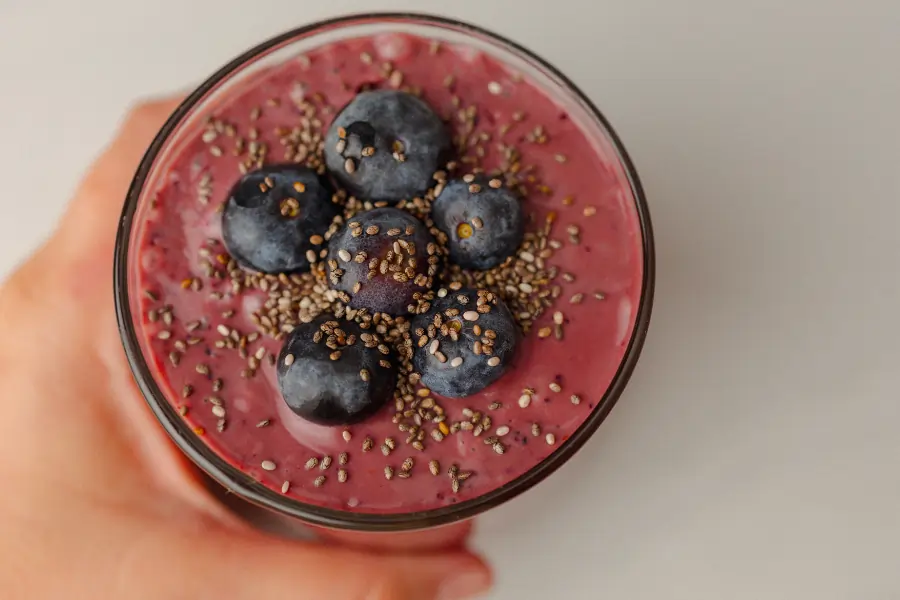
Foods rich in collagen are mostly animal foods with connective tissue — bone broth, skin-on fish like salmon and sardines, chicken skin, and slow-cooked tough cuts like brisket or oxtail. These supply some collagen directly, though your body still breaks them down before it uses them. Cartilage-rich and bone-in cuts tend to offer the most.
Collagen is the most abundant protein in the body, and it lives in skin, bones, tendons, and other connective tissue2. Most foods rich in collagen share one thing: they come from the parts of an animal that are full of connective tissue.
Foods that contain collagen
A few everyday options that naturally contain collagen:
- Bone broth — made by simmering animal bones and connective tissue, which draws out collagen and protein3.
- Skin-on fish — salmon and sardines, especially with the skin, are a source of Type I collagen3.
- Chicken skin and cartilage — rich in collagen from connective tissue3.
- Tough, slow-cooked cuts — brisket, oxtail, chuck, and pot roast are full of connective tissue2,3.
A quick collagen food table
| Foods rich in collagen | Foods that help your body build collagen |
| Bone broth | Citrus, berries, kiwi, peppers (vitamin C) |
| Skin-on salmon and sardines | Eggs, Greek yogurt, tofu, beans (protein) |
| Chicken skin and cartilage | Nuts, seeds, shellfish, whole grains (zinc, copper) |
| Slow-cooked tough cuts | Leafy greens (vitamin C, minerals) |
What nutrients help your body make collagen?
Your body makes collagen from amino acids in protein, and it needs vitamin C, zinc, and copper to do it. Pairing protein foods with vitamin C-rich produce like peppers, citrus, and berries gives your body the full set of building blocks it uses to make its own collagen. No single nutrient works alone.
According to the Cleveland Clinic, when the body makes collagen, it combines amino acids from protein with vitamin C and the minerals zinc and copper3. That’s why a varied, colorful plate tends to matter more than any one “collagen food” — it’s one piece of your overall skin health.
Protein and amino acids
Protein supplies the amino acids — including glycine, proline, and lysine — that your body strings together into collagen2,3. You can get these from fish, poultry, eggs, and dairy, or from plant foods like beans, lentils, tofu, nuts, and seeds. Aiming for a protein source at each meal is a simple place to start.

Vitamin C
Vitamin C is required for collagen synthesis, which is why it belongs in any collagen-supporting plate1. The NIH Office of Dietary Supplements notes that vitamin C is needed to build collagen, and adult women need about 75 milligrams a day1. Easy sources include:
- Red and green bell peppers
- Oranges, grapefruit, and kiwi
- Strawberries and other berries
- Broccoli and leafy greens
Zinc and copper
Zinc and copper are minerals your body uses to form collagen fibers. They show up in shellfish, nuts, seeds, legumes, whole grains, and leafy greens2,3. Most balanced diets that include a range of these foods can cover both minerals without much effort or planning.
Does eating collagen actually improve your skin?
Eating foods rich in collagen doesn’t send it straight to your skin. Your body breaks it down into amino acids and uses them wherever they’re needed4 — not only for skin. So collagen-rich foods can support healthy skin as part of a balanced diet, but no single food guarantees firmer skin or fewer wrinkles. Results vary from person to person.
This is where a lot of collagen advice gets ahead of the evidence. As MD Anderson explains, any protein you eat is broken down into amino acids, and your body uses them to build whatever proteins it needs — which may or may not be skin collagen4.
What the research does and doesn’t show
Some studies on collagen powders report improvements in skin hydration or elasticity5. Many of those studies, though, are small and funded by the companies selling the products, so the findings are promising rather than settled4.
A calmer takeaway: eating well may support your skin over time, but food is one piece of a bigger picture that also includes sleep, sun habits, and genetics — the same factors behind signs of collagen loss in the face. Steady, realistic habits tend to serve you better than any quick fix.
Can you support collagen on a plant-based diet?
Yes. Most foods rich in collagen are animal-based, but you don’t need them to support collagen. Plant-based eaters can pair protein-rich foods like beans, lentils, tofu, nuts, and seeds with vitamin C-rich produce, plus zinc and copper sources. That gives the body the same building blocks it uses to make its own collagen.
Since collagen itself only comes from animals, the plant-based path is really about “build,” not “contain”2,4. And that’s the more useful goal for everyone anyway.

Plant-based foods rich in collagen
- Protein: tofu, tempeh, edamame, beans, lentils, nuts, and seeds.
- Vitamin C: peppers, citrus, kiwi, strawberries, tomatoes, broccoli.
- Zinc and copper: pumpkin seeds, cashews, lentils, chickpeas, whole grains.
- An easy combo: a lentil-and-pepper bowl, or tofu stir-fry with broccoli.
What everyday habits protect the collagen you already have?
Food is only half the story — a few daily habits help protect the collagen you already have. Daily sun protection, not smoking, and limiting excess added sugar can slow collagen breakdown, since UV light, smoking, and high-sugar diets all wear it down over time2. Steady sleep supports overall skin health too.
The Cleveland Clinic points to these same factors: UV exposure and smoking lower collagen and speed its breakdown, and excess sugar can weaken it through a process that stiffens the fibers2. The good news is that these are everyday, doable habits — and small daily choices are a big part of how to prevent collagen loss over time.
Sun protection and skin
Daily sun protection is one of the most reliable ways to protect skin collagen. UV light speeds collagen breakdown, so a daily SPF and some shade can go a long way2. Think of it as protecting the collagen your food is helping you support — and supporting skin elasticity as you age.
Smoking and excess sugar
Smoking lowers collagen production and damages what’s already there. Very high-sugar eating can also stiffen and weaken collagen over time2. Cutting back on smoking and excess added sugar are two small steps that protect skin from the inside out.
What does a collagen-supporting day of eating look like?
A collagen-supporting day is simply balanced eating: a protein source at each meal paired with colorful, vitamin C-rich produce. Think eggs or Greek yogurt with berries, a bean-and-pepper salad at lunch, and salmon or tofu with broccoli at dinner. Simple, everyday pairings give your body what it uses to build collagen.
A sample day of eating foods rich in collagen:
- Breakfast: Greek yogurt (or soy yogurt) with strawberries and pumpkin seeds — one of many high-protein breakfast ideas that make morning protein easy.
- Lunch: a lentil, tomato, and bell pepper salad with leafy greens.
- Dinner: salmon or tofu with broccoli and a squeeze of citrus.
- Snack: kiwi, an orange, or a small handful of cashews.
You don’t need to eat all of this perfectly. Small, steady swaps are what add up.

Take The
First Step
with Brello
Final Thoughts
Supporting collagen isn’t about one hero food or a shelf of powders — it’s about giving your body the everyday building blocks it already knows how to use.
This week, try one small swap: pair a protein you enjoy with something colorful and vitamin C-rich, like peppers, citrus, or berries. That’s it.
Whether you eat salmon and eggs or lean fully plant-based, the same simple idea works — and protecting the collagen you have, day to day, may matter just as much as what’s on your plate.
Frequently Asked Questions
What drink is good for collagen?
Bone broth is a warm, sippable source of collagen and protein3. For a plant-friendly option, a smoothie with berries, kiwi, or citrus adds vitamin C, which your body uses to build collagen. Water and everyday balanced meals still matter most.
Do I need a collagen supplement?
Not necessarily. A balanced diet with enough protein and vitamin C can supply what your body uses to make collagen. Supplement research is still limited and often funded by makers, so food-first is a reasonable place to start4. Personal choices vary.
How long until collagen-supporting foods make a difference?
There’s no set timeline, and results vary. Supporting collagen through food is a steady, long-term habit rather than a quick change. Consistency with balanced meals and protective habits tends to matter more than any single week of eating.
Is bone broth worth it?
Bone broth can be a comforting source of collagen and protein, and many people enjoy it3. It isn’t a magic food, though. It fits best as one part of a varied diet that also includes vitamin C, zinc, and copper-rich foods.
Do collagen-supporting foods help joints too?
Collagen is part of the connective tissue in joints as well as skin2. Eating enough protein plus vitamin C, zinc, and copper supports the building blocks your body uses throughout the body.