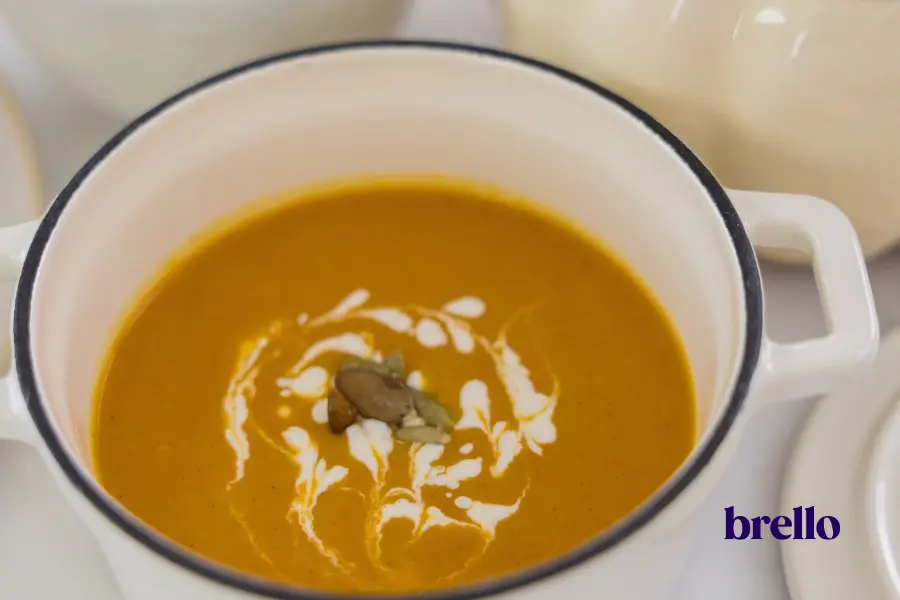
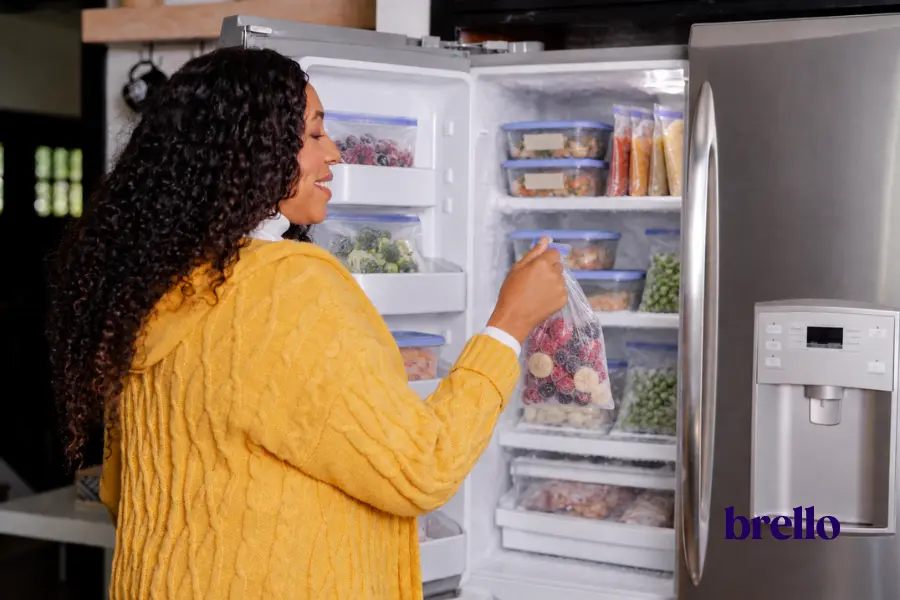
TL;DR A high-protein soup for GLP-1 days is a warm, make-ahead meal where every bowl includes a protein-forward ingredient like chicken, beans, lentils, tofu, eggs, or Greek yogurt. One simple formula of protein, broth, vegetables, a flavor base, and an optional stir-in can turn everyday ingredients into several bowls that keep 3–4 days in the fridge.
Soup can feel like the perfect low-effort meal. Then you look down at the bowl and see mostly broth.
That’s where a little planning helps.
High-protein soups for GLP-1 days start with a protein you enjoy, like chicken, turkey, beans, lentils, or tofu. Add broth, vegetables, and a flavor you love, and one pot can cover several warm meals.
A simple formula, a few mix-and-match ideas, and some storage basics can make that pot go further, one small step at a time.
What Counts as a High-Protein Soup on GLP-1 Days?
A high-protein soup is one where every bowl includes a protein-forward ingredient, such as chicken, turkey, beans, lentils, tofu, eggs, or Greek yogurt. Broth on its own adds very little protein. On GLP-1 days, that one shift can turn a light soup into a warm, low-effort meal you can plan around.
For comparison, a cup of ready-to-serve chicken broth has about 2 grams of protein, based on USDA data1. A half cup of cooked lentils has about 9 grams, and 3 ounces of roasted chicken breast has about 26 grams2,3.
So most of the protein comes from what you add to the pot. The broth is the base, not the protein source.
Why does soup fit low-effort days?
Soup lets you cook once and eat a few times. A single pot can be portioned into containers, kept in the fridge for a few days, or frozen for later. On days when cooking feels like too much, a warm bowl can be ready with little more than reheating.
It’s flexible, too. You can keep it brothy or make it creamy, add more vegetables or fewer, and scale a pot up or down.
How Do You Build a High-Protein Soup? (A Simple 5-Part Formula)
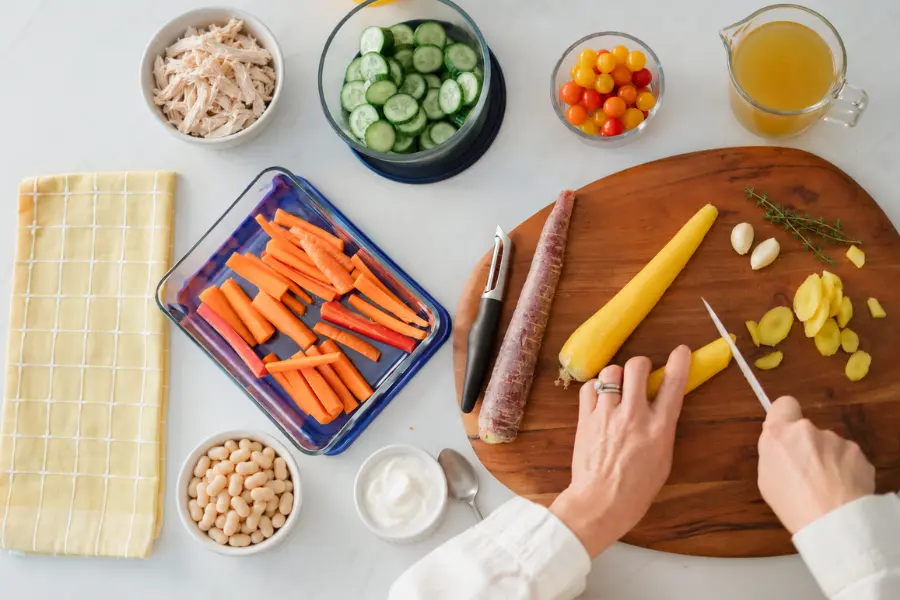
You can build a high-protein soup with five parts: a protein, a broth, vegetables with some fiber, a flavor base, and an optional stir-in. Choose one option from each group and you have a soup. Change one part at a time, and the same few ingredients can give you many different bowls.
One formula can stand in for a stack of special recipes. Here’s how the five parts fit together:
- Protein (the anchor): shredded chicken breast, rotisserie chicken, ground turkey, white beans, lentils, split peas, chickpeas, firm tofu, or eggs.
- Broth (the base): chicken, vegetable, mushroom, or bone broth. Lower-sodium versions give you more control over salt.
- Vegetables with fiber: spinach, kale, carrots, butternut squash, red pepper, corn, mushrooms, or a bag of frozen mixed vegetables.
- Flavor base: olive oil, onion, garlic, herbs, spices, tomato paste, miso, or a squeeze of lemon.
- Optional stir-in: plain Greek yogurt, blended cottage cheese, a beaten egg, or a sprinkle of Parmesan.
Beans, lentils, and split peas pull double duty, adding both protein and fiber2,10,11. The Dietary Guidelines for Americans list beans, peas, and lentils among the plant-based protein foods to include4.
Shortcuts count, too. Rotisserie chicken, canned beans, and frozen vegetables can cut down on chopping and cooking.
How can you use the formula across a busy week?
Pick one protein to prep, such as a batch of shredded chicken or a pot of lentils. Pair it with two different broths and rotate the vegetables and flavorings. One round of prep can give you several soups that taste different, without a new shopping list each time. The same approach works for Mediterranean-style meal prep, too.
For example:
- Shredded chicken + chicken broth + spinach + lemon and garlic
- The same chicken + tomato broth + white beans + Italian herbs
- The same chicken + mushroom broth + carrots + thyme
Which Soup Ingredients Add the Most Protein?
Poultry, firm tofu, and Greek yogurt tend to add the most protein per serving, while lentils, split peas, and beans add a solid amount along with fiber2,3,6,8,10,11. Broth adds very little1. Standard values from USDA FoodData Central make it simpler to compare ingredients before you fill the pot.
| Ingredient | Serving | Protein (approx.) | Soup notes |
|---|---|---|---|
| Chicken breast, roasted | 3 oz | 26 g3 | Shred and add near the end |
| Ground turkey, cooked | 3 oz | 23 g5 | Brown first; works in chili-style soups |
| Firm tofu (calcium sulfate) | ½ cup | 22 g6 | Cube and add near the end |
| Plain nonfat Greek yogurt | 6 oz | 17 g8 | Stir in off the heat |
| Low-fat (2%) cottage cheese | ½ cup | 12 g9 | Blend for a creamy texture |
| Lentils, cooked | ½ cup | 9 g2 | Adds fiber, too |
| Split peas, cooked | ½ cup | 8 g10 | Thickens soup as it cooks |
| Great northern (white) beans, cooked | ½ cup | 7 g11 | Adds fiber, too |
| Chickpeas, cooked | ½ cup | 7 g12 | Holds its shape well |
| Egg | 1 large | 6 g13 | Whisk in for egg-drop ribbons |
| Chicken broth, ready-to-serve | 1 cup | 2 g1 | Base, not a protein source |
Values are rounded from USDA FoodData Central and vary by brand and preparation. Tofu in particular differs by type, so the package label is the best guide6,7. For the bigger picture, see how much protein you might aim for in a day.

Check the bowl, not the pot
The protein in your soup depends on how much of the protein ingredient ends up in the bowl you actually eat. A label’s per-can number may cover more than one serving14. If a bowl looks mostly like broth, stir in a little extra chicken, beans, tofu, or yogurt.
Portioning helps here. When you divide a pot, spread the protein across containers first, then add the broth.
What Are Some High-Protein Soup Ideas to Try?
Good high-protein soup ideas pair a protein you enjoy with a broth and vegetables you already have. Try chicken, white bean, and spinach; turkey and bean chili-style; lentil and butternut squash; miso with tofu and egg; or a creamy tomato soup blended with cottage cheese. Each one follows the same five-part formula.
Every idea below is a combination, not a fixed recipe. Swap any part you don’t have on hand.
Chicken and turkey soup combinations
Chicken and turkey work well in soup because they shred or crumble nicely and take on flavor from the broth. Try pairing them with white beans, spinach, mushrooms, or tomatoes. Rotisserie chicken can save a step on busy days, and leftover roasted chicken works, too.
- Lemony chicken, white bean, and spinach: chicken broth, garlic, lemon, and a spoonful of Greek yogurt to finish.
- Chicken and vegetable: rotisserie chicken, frozen mixed vegetables, thyme, and a sprinkle of Parmesan.
- Turkey and bean chili-style soup: ground turkey, kidney or black beans, tomatoes, red pepper, corn, and cumin.
- Chicken, mushroom, and wild rice: mushroom or chicken broth, carrots, thyme, and blended cottage cheese for creaminess.
Plant-forward soup combinations
Beans, lentils, split peas, and tofu can anchor a meat-free soup with protein and fiber. Pair them with hearty vegetables like butternut squash, carrots, or kale. Then finish with Greek yogurt, cottage cheese, or Parmesan if you eat dairy, or keep the bowl fully plant-based.
- Lentil and butternut squash: vegetable broth, cumin, ginger, and a swirl of Greek yogurt.
- Split pea and carrot: vegetable broth, onion, bay leaf, and black pepper.
- White bean and kale: garlic, rosemary, and grated Parmesan.
- Miso with tofu and egg: miso stirred into warm broth, cubed firm tofu, spinach, and beaten egg ribbons.
- Creamy tomato with cottage cheese: tomato soup blended with cottage cheese and a pinch of basil.
How Can You Add Protein to a Soup You Already Like?

You can add protein to almost any soup by stirring in a ready-to-use ingredient near the end: shredded or rotisserie chicken, drained canned beans, cubed tofu, a beaten egg, or Greek yogurt or blended cottage cheese off the heat. Small add-ins like these can upgrade a light soup without a new recipe.
Texture is the part that makes add-ins work. A few tips:
- Yogurt: stir it in off the heat, a spoonful at a time, so it stays smooth.
- Cottage cheese: blend it first for a creamy soup without heavy cream.
- Eggs: drizzle a beaten egg into simmering broth while stirring for soft ribbons.
- Beans and lentils: add them early in brothy soups, or mash a few to thicken the pot.
- Tofu: add it near the end so it holds its shape.
What about protein powder?
Some people stir unflavored protein powder into soup, but results vary. Powder can clump or make the texture thick. If you try it, whisk it into a small amount of warm, not boiling, liquid first, then stir it in. Check the label for sodium and added flavors.
For many soups, a whole-food add-in like beans or chicken is the simpler route.
Can Store-Bought Soup Be High in Protein?
Store-bought soup can work on no-cook days, but protein and sodium vary a lot between products. Check the serving size first, then the grams of protein and the sodium %DV. A can may hold more than one serving, and a few add-ins can raise the protein in your bowl14.
The Nutrition Facts label makes the comparison clearer. Start with serving size, because every other number on the label is based on it14.
A short label checklist:
- Serving size and servings per container: a can or carton may hold two or more servings14.
- Protein (grams): compare products using the same serving size14.
- Sodium (%DV): according to the FDA, 5% DV or less per serving is low, and 20% DV or more is high14.
- “Reduced sodium”: means at least 25% less sodium than the regular version, which isn’t always low15.
- Ingredients: look for a named protein, like chicken, beans, or lentils, near the top of the list.
Broth is worth checking, too. USDA data lists a cup of ready-to-serve chicken broth at roughly 900 milligrams of sodium, though products vary widely1.
Simple upgrades for canned or boxed soup
A store-bought soup can carry more protein with a few add-ins. Stir in drained canned beans, shredded rotisserie chicken, cubed tofu, or a beaten egg while it heats. Frozen vegetables can add color and fiber without extra chopping. Taste before adding salt, since many soups are already seasoned15.
How Do You Make Soup Ahead and Store It Safely?
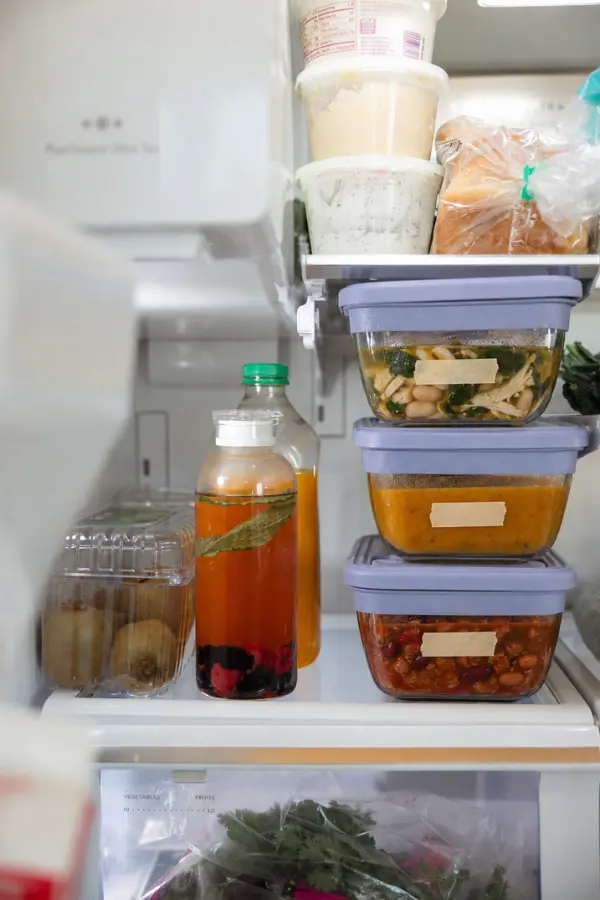
To make soup ahead, cool it down promptly in shallow containers and refrigerate it within two hours of cooking16. Homemade soup with meat or vegetables keeps about three to four days in the fridge and two to three months in the freezer for best quality17. Reheat leftovers to 165°F16.
A big pot cools slowly, which gives bacteria more time to grow, according to the USDA Food Safety and Inspection Service16. Dividing soup into smaller, shallow containers is the key make-ahead step. Hot soup can go straight into the fridge16.
| Step | What to do |
|---|---|
| Cool | Divide into shallow containers and refrigerate within 2 hours (1 hour if the air is above 90°F)16 |
| Fridge | Keep at 40°F or below and eat within 3–4 days17 |
| Freezer | Keep at 0°F or below; best quality within 2–3 months17 |
| Thaw | In the fridge, in cold water, or in the microwave, not on the counter16 |
| Reheat | Heat to 165°F; for soup, bring it to a rolling boil16 |
Freezer times are about quality. Soup kept frozen at 0°F stays safe longer, though flavor and texture can fade16,17.
Freezer-friendly tips
Freeze soup in single portions so you only thaw what you need. Leave a little space at the top of each container, since liquids expand as they freeze18. Soups with dairy or potatoes often hold up better if you add those when reheating18.
Label each container with the soup name and date. It makes rotating flavors simpler later.
Rotate two or three flavors
Eating the same soup all week can get old. Freeze a few portions from each pot and alternate flavors across the week. Smaller containers let you match the bowl size you want that day, and a mix of flavors keeps leftovers feeling fresh. A thermos of soup can also round out your packed lunch ideas.
A simple rhythm: make one soup this weekend, freeze half, and make a different one next week. Soon, two or three options can be waiting in the freezer.

Take The
First Step
with Brello
Final Thoughts
A warm bowl on a busy day can be one small way to look after yourself, without starting from scratch at every meal.
This week, you might pick one protein, one broth, and one vegetable you already like. Make a single pot, then tuck a few portions into the freezer for later.
Some weeks, that pot might be homemade. Other weeks, it might be a store-bought soup with a handful of beans stirred in. Both can count as steady progress.
Frequently asked questions
What soup has the highest protein?
It depends on what goes into the pot and into your bowl. Soups built around chicken, turkey, or firm tofu, plus a stir-in like Greek yogurt or cottage cheese, tend to be highest per serving. Lentil and split pea soups add a solid amount of protein along with fiber.
Can I eat soup every day?
Soup can be one part of a varied week. Rotating proteins, vegetables, and flavors can keep it interesting. Mixing in other meals, like salads, sandwiches, or grain bowls, can keep your routine from feeling repetitive.
How long does homemade soup last in the fridge?
Homemade soup with meat or vegetables keeps about 3 to 4 days in the refrigerator at 40°F or below17. If you don’t plan to eat it in that window, freeze portions early. Frozen soup is best within 2 to 3 months17.
Can you freeze soup with dairy, pasta, or rice?
You can, but the texture may change. Soups with dairy can separate, and starchy add-ins like potatoes may change texture18. Many people freeze the base soup and add dairy, pasta, or rice when reheating.
What’s a good vegetarian high-protein soup?
Lentil, split pea, white bean, and chickpea soups are all plant-forward options. Miso soup with firm tofu and egg ribbons works, too. A spoonful of Greek yogurt or blended cottage cheese can add more protein if you eat dairy.
Should I reheat all my leftover soup at once?
It’s usually simpler to reheat only the portion you plan to eat. Reheat it to 165°F, bringing soup to a rolling boil, and keep the rest refrigerated or frozen16. Single-portion containers make this part simpler.