TL;DR: You can’t stop natural aging. Collagen drops about 1% per year after age 301. But you can slow damage from sun, smoking, sugar, and stress. Daily sun protection (SPF 30+4), enough protein, and stress management form your foundation.
You’ve noticed the changes. Fine lines. Different texture. Less firmness. Then you fell into a rabbit hole of collagen advice. Supplements. Serums. Special diets. The information is everywhere. But what actually helps?
Here’s the reality: how to prevent collagen loss looks different at different stages. Natural aging causes a baseline drop (about 1% per year after age 301). But lifestyle factors like sun and stress speed it up. What helps most in your 30s may need changes in your 50s.
This guide covers age-specific strategies, priorities based on evidence, and realistic expectations.
The content provided is for informational purposes only and should not be construed as medical advice; it is not a substitute for professional medical consultation, diagnosis, or treatment.
Can Collagen Loss Be Prevented, Slowed, or Reversed?
Collagen loss happens in two ways. Natural aging causes a baseline drop everyone gets (about 1% per year starting around age 301). Lifestyle factors like sun, smoking, and stress can speed up damage on top of that5,19,10,6,13. You can’t stop the first. But you can slow the second. What “slow” looks like depends on your age and life stage.
This matters because most collagen advice mixes these two types together. You’ll see claims about “preventing” or “reversing” collagen loss. They ignore a basic truth: your body naturally makes less collagen as you age. This happens no matter what you do.
The goal isn’t to fight natural aging. It’s to reduce the damage that speeds things up. Sun exposure, smoking, stress, high-sugar diets, and poor sleep all speed up collagen breakdown5. These are the factors you can actually change.
Think of it this way: natural aging is the baseline. Lifestyle factors determine if you age at that rate or faster. Supporting collagen health means staying closer to that natural baseline.
What Is Collagen and Why Does It Matter for Your Skin?

Collagen is the most common protein in your body. It makes up about 30% of your total protein1. It gives your skin structure, support, and stretch. Think of it as the frame that keeps skin firm and full. As collagen drops, you may notice fine lines, less firmness, and texture changes.
Your body makes collagen from amino acids (protein building blocks) combined with vitamin C and other nutrients8,26. This happens all the time throughout your life. But production slows as you age.
Collagen doesn’t just affect your skin. It’s in your bones, tendons, ligaments, and blood vessels. But since skin contains about 70% of its protein as collagen1, changes show up on your face, neck, and hands first.
What Are the Signs Your Skin Is Losing Collagen?
Common signs include fine lines (especially around eyes and mouth), sagging or crepe-like skin, less volume in cheeks, reduced firmness, and slower wound healing1,20.
You might also notice your skin feels thinner. It bruises easier. It takes longer to bounce back when pressed. These changes usually show up in your 30s. They become more obvious in your 40s and 50s. For a closer look at how these changes show up specifically on the face — and how to tell them apart from other skin shifts — see our guide to the most common signs of collagen loss in the face.
The timing varies based on your genes, sun history, lifestyle habits, and hormone changes. Some people notice big changes in their early 30s. Others don’t see major shifts until perimenopause or menopause.
What Causes Collagen Loss in the First Place?
Collagen loss comes from two main sources. Natural aging (everyone gets this as collagen production slows by about 1% per year after age 25-301). And faster damage from lifestyle factors (sun, smoking, high-sugar diets, stress, and poor sleep)5,19,6,10,13. Understanding this helps you focus on what you can actually change.
Natural aging means your body slowly makes less collagen over time. This happens to everyone. You can’t stop it completely. Your fibroblasts (the cells that make collagen21) slow down. The collagen you do make may be slightly lower quality than when you were younger1.
Faster damage comes from outside factors that speed up collagen breakdown beyond what’s natural. These factors are mostly within your control.
The biggest factors you can prevent include:
- Sun exposure: UV rays break down collagen fibers and hurt your skin’s ability to make new collagen5
- Smoking: Cuts blood flow and oxygen to your skin, blocking collagen production
- High-sugar and refined-carb diets: Cause glycation, where sugar sticks to collagen proteins and damages them6,7
- Chronic stress: Raises cortisol levels, which can hurt collagen production
- Poor sleep: Reduces the time your body has for repair and collagen building
- Too much alcohol: Dehydrates skin and may block nutrient absorption20
How Sun Exposure Damages Collagen
UV rays break down collagen fibers through photoaging5. They also hurt your skin’s ability to make new collagen5. This is why sun protection has strong evidence as a prevention strategy4,5.
When UV light hits your skin, it triggers enzymes called MMPs that break down collagen5. At the same time, UV exposure damages the fibroblasts that make new collagen5. You get hit twice: more breakdown and less production.
This is why skin doctors recommend daily sun protection. It’s not about vanity. It’s about protecting the protein that keeps your skin working well. Even on cloudy days, UV rays get through clouds and windows.
Use broad-spectrum SPF 30 or higher every day on your face, neck, chest, and hands4. Reapply every two hours when you’re outside for long periods.
How Sugar and Stress Speed Up Collagen Breakdown
Too much sugar causes glycation (where sugar sticks to collagen proteins and damages them). Chronic stress raises cortisol levels, which can hurt collagen production and speed up breakdown6,7,10.
Glycation happens when you eat more sugar than your body needs for energy. The extra glucose sticks to proteins like collagen. This forms compounds called AGEs6,7. These AGEs make collagen stiff, brittle, and easier to break down6,7.
This doesn’t mean you can never eat sugar. It suggests that steady high-sugar diets—especially refined carbs that spike blood sugar—add to collagen damage over time6,7. Small, steady changes (like swapping sugary snacks for fruit) may help.
Chronic stress keeps your cortisol levels high. Research suggests high cortisol can block collagen building and may increase breakdown10. Stress management isn’t just about feeling calmer. It supports the physical processes your body uses to maintain and repair skin.
How Collagen Loss Changes in Your 30s, 40s, and 50s (And What to Prioritize at Each Stage)

Collagen loss speeds up differently at different life stages. In your 30s, the drop is gradual (about 1% per year1). In your 40s, perimenopause and menopause can trigger sharper losses. Research shows women can lose up to 30% of their collagen in the first 5 years after menopause due to dropping estrogen2,3. What worked in your 30s may need changes in your 50s.
Collagen advice often takes a general, one-size-fits-all approach. It treats everyone the same, no matter their age. But what your skin needs at 32 differs from what it needs at 52.
Here’s what to expect and prioritize at each stage.
What to Expect in Your 30s
In your 30s, collagen drop is usually gradual at about 1% per year1. Focus on prevention. Daily sun protection. Building steady habits. Protecting the collagen you have.
You might notice the first fine lines around your eyes. Or a slight change in how fast your skin bounces back when pressed. These early signs are normal. They don’t mean you’re doing anything wrong.
What to prioritize in your 30s:
- Daily sun protection (the must-do at every age, but especially important to start now)
- Enough protein (your body needs amino acids to make collagen)
- Steady sleep (7-8 hours supports repair processes11,12,13)
- Basic stress management (before it becomes chronic)
This is the decade to build habits you can keep. You’re not trying to reverse damage. You’re protecting what you have. You’re building routines that will help you in the decades ahead.
Avoid getting caught up in intense “collagen banking” messages. They say you need to do everything perfectly starting now. Small, steady habits matter more than perfection.
What Happens in Your 40s (The Menopause Factor)
Perimenopause and menopause mark a turning point. Dropping estrogen can speed up collagen loss. Up to 30% in the first 5 years after menopause2,3. This is a time when strategies may need changes.
Estrogen plays a role in collagen building22,23. When estrogen levels drop during perimenopause and menopause, many women notice bigger changes in skin texture, firmness, and healing speed22,23.
This doesn’t mean collagen support becomes impossible. It means the same habits you used in your 30s may need more support. And realistic expectations become especially important.
What to prioritize in your 40s:
- Keep up daily sun protection (still the foundation)
- Increase protein if needed (collagen building needs enough building blocks)
- Focus on sleep quality and stress management (both get harder during hormone shifts but matter more than ever)
- Consider adding vitamin C-rich foods (supports collagen building when estrogen isn’t providing as much support)
- Manage expectations (you’re supporting skin health during a natural transition, not preventing all change)
During this decade, it may be worth considering skincare actives like retinoids or vitamin C serums as additional support30. These aren’t must-haves. They’re optional tools some people add to their foundation of sun protection, nutrition, and lifestyle habits.
The key is recognizing that menopause is often accompanied by faster changes. They’re not a sign that you’re failing at collagen support.
Realistic Expectations for Your 50s and Beyond
In your 50s and beyond, the focus shifts from prevention to supporting skin health at your current baseline. You’re managing both natural aging and post-menopausal changes. Staying steady with basics matters most.
By this stage, you’ve been through both natural aging and hormone shifts. Collagen levels are lower than they were in your 30s. That’s expected1,20. The goal isn’t to restore your skin to how it looked decades ago. It’s to keep it healthy, comfortable, and working well at this stage of life.
What to prioritize in your 50s and beyond:
- Keep up sun protection (damage builds up, so protection still matters)
- Focus on hydration and barrier support (skin may be drier and more sensitive)
- Prioritize protein and nutrient-rich foods (your body still needs building blocks for ongoing collagen production, even if it’s slower)
- Support overall skin health (moisturizing, gentle cleansing, protecting from irritation)
- Let go of anti-aging pressure (aging is normal; the goal is healthy skin, not eternal youth)
If reduced bounce-back is your main concern, our guide on how to support skin elasticity covers complementary habits worth layering in.
This is also the decade to filter out marketing that promises to “reverse” or “rebuild” collagen to youthful levels. That’s not how skin aging works. Supporting your skin’s health within natural aging is a worthwhile goal. Chasing reversal creates unnecessary stress and expense.
What Should You Focus On If You Can’t Do Everything?

If you’re feeling overwhelmed by conflicting collagen advice, start here. Daily sun protection (SPF 30+4,5) has the strongest research backing. Enough protein gives building blocks for collagen building. Managing stress helps limit cortisol-driven breakdown10. These three create a solid foundation before you think about supplements or special skincare.
The problem most people face isn’t a lack of information about collagen. It’s being overwhelmed by too many options and conflicting claims. Between supplements, serums, special diets, and professional treatments, the advice adds up to an impossible to-do list.
Here’s a practical order based on evidence strength:
Priority Tier 1: The Must-Dos (Strong Evidence)
- Daily sun protection — UV damage is the most preventable cause of faster collagen loss5. Use broad-spectrum SPF 30+ on face, neck, chest, and hands every morning.
- Enough protein — Your body needs amino acids to make collagen. Aim for protein at each meal from sources like chicken, fish, eggs, beans, Greek yogurt, or tofu. If mornings are where you fall short, these high-protein breakfast ideas make it easier to hit your target before the day gets busy.
- Stress management — Chronic stress raises cortisol. Research links this to hurt collagen production. This doesn’t mean removing all stress (impossible). Find steady practices that help you manage it. Walking. Breathing exercises. Steady sleep. Whatever works for you.
Priority Tier 2: Helpful Additions (Moderate Evidence)
- Vitamin C-rich foods — Vitamin C is a required helper for collagen building8,9. Citrus fruits, bell peppers, strawberries, broccoli, and leafy greens give it naturally.
- Steady sleep — Your body does most of its repair work during sleep. Steadily getting under 7 hours may hurt skin repair processes11,12,13.
- Limiting sugar and refined carbs — High-sugar diets add to glycation damage6,7. You don’t need to cut out sugar completely. But reducing frequent spikes helps.
Priority Tier 3: Optional Support (Emerging/Mixed Evidence)
- Collagen supplements — Studies show modest improvements in some people. But evidence is mixed and the FDA doesn’t evaluate dietary supplements for safety or effectiveness before they’re sold¹⁶,¹⁷,¹⁸. If you try them, think of them as extra support, not a replacement for your foundation.
- Topical actives — Retinoids, vitamin C serums, and topical peptides may support collagen when used steadily. But they work best alongside (not instead of) sun protection and nutrition.
Start with Tier 1. Once those habits feel steady, add from Tier 2 as you’re able. Tier 3 is optional. Some people find these helpful. But they’re not requirements for supporting collagen health.
The goal is a few steady habits you can maintain long-term. Not a perfect but unsustainable routine you’ll give up after a month.
What Habits Speed Up Collagen Loss (And How to Avoid Them)?

Several lifestyle habits can speed up collagen breakdown beyond natural aging. Smoking (cuts blood flow to skin). Unprotected sun exposure (UV damage). High-sugar and refined-carb diets (glycation). Chronic stress (high cortisol). Too much alcohol (dehydration). Poor sleep (reduced repair time)19,5,6,10,20,13. The good news? These are all factors you can change.
You don’t need to be perfect. Small improvements in any of these areas can help reduce the rate of faster collagen loss. Start with the factor that feels most doable for you.
Sun Protection: The Must-Do
Daily broad-spectrum SPF 30+ is the single most evidence-backed strategy4. UV rays break down existing collagen and hurt new production5. This makes sun protection foundational.
This applies year-round, not just in summer. UV rays get through clouds and windows. Put sunscreen on your face, neck, chest, and hands every morning. Even if you’re staying inside most of the day.
Reapply every two hours if you’re spending long time outdoors. Add a wide-brimmed hat and sunglasses for extra protection.
This isn’t about avoiding the sun completely. It’s about steady, practical protection that prevents building UV damage over decades.
Why Sugar and Smoking Matter
Smoking cuts blood flow and oxygen to skin. Excess sugar causes glycation—damaging collagen proteins. Both speed up aging beyond what’s natural¹⁹,⁶,⁷.
Smoking damages collagen through multiple ways. It reduces blood flow (limiting oxygen and nutrient delivery to skin). It creates free radicals (which damage collagen). And it directly hurts collagen building19. If you smoke, quitting is the single most impactful change you can make for your skin.
Excess sugar adds to AGEs that make collagen stiff and prone to breaking down6,7. This doesn’t mean you can never eat sugar. It means that steady high-sugar diets add to faster damage over time⁶,⁷.
Small swaps help. Choose whole grains over refined carbs. Pick fruit when you want something sweet. Pay attention to added sugars in processed foods.
The Stress-Sleep-Collagen Connection
Chronic stress raises cortisol (which breaks down collagen). Poor sleep reduces repair time. Managing both supports your body’s natural maintenance processes.
Stress isn’t just something that makes you feel bad. It has physical effects. Steadily high cortisol can hurt collagen production and may increase breakdown10. Stress management practices (walking, breathing exercises, time in nature, whatever works for you) support your skin along with your overall wellbeing.
Sleep is when your body does most of its repair work. Including collagen building. Steadily getting under 7 hours may hurt these processes11,12,13. Better sleep habits (steady bedtime, dark room, limiting screens before bed) support skin repair along with everything else sleep affects.
Neither stress nor sleep needs to be perfect. Small, steady improvements matter more than trying to remove all stress or get perfect sleep every night.
What Helps Support Collagen Production Naturally?
Supporting collagen production means giving your body the raw materials it needs (amino acids from protein26, vitamin C as a helper8). And protecting what you already have (sun protection, stress management). While you can’t reverse natural aging, these evidence-based strategies may help slow faster damage. They support skin health within the natural aging process.
Focus on giving your body what it needs. Remove obstacles to its natural processes. You’re not trying to force your skin to make more collagen than it naturally would. You’re creating conditions that support healthy production. And protect existing collagen from unnecessary damage.
Vitamin C and Other Nutrients That Support Collagen Building
Vitamin C is a required helper for collagen production8,9. Get it from citrus fruits, bell peppers, strawberries, and leafy greens. Zinc, copper, and amino acids (proline, glycine) from protein sources also support building24,25,26.
Your body literally cannot make collagen without vitamin C. It’s essential for the chemical reactions that bind amino acids into collagen fibers8,9. Luckily, you don’t need huge doses. Eating a variety of fruits and vegetables gives enough for collagen building.
Good vitamin C sources include:
- Citrus fruits (oranges, grapefruit, lemons)
- Bell peppers (especially red)
- Strawberries, kiwi, papaya
- Broccoli, Brussels sprouts
- Leafy greens (kale, spinach)
Supporting nutrients:
- Zinc (found in nuts, seeds, whole grains, legumes) helps with collagen building and wound healing24
- Copper (found in shellfish, nuts, seeds, dark chocolate) is a helper in collagen cross-linking25
- Amino acids (from protein sources) give the building blocks your body puts together into collagen26
A well-rounded diet that includes protein, colorful vegetables, and whole foods gives these nutrients naturally. You don’t need to track every nutrient or take multiple supplements. Eating a variety of foods handles it.
Foods to Include for Collagen Support
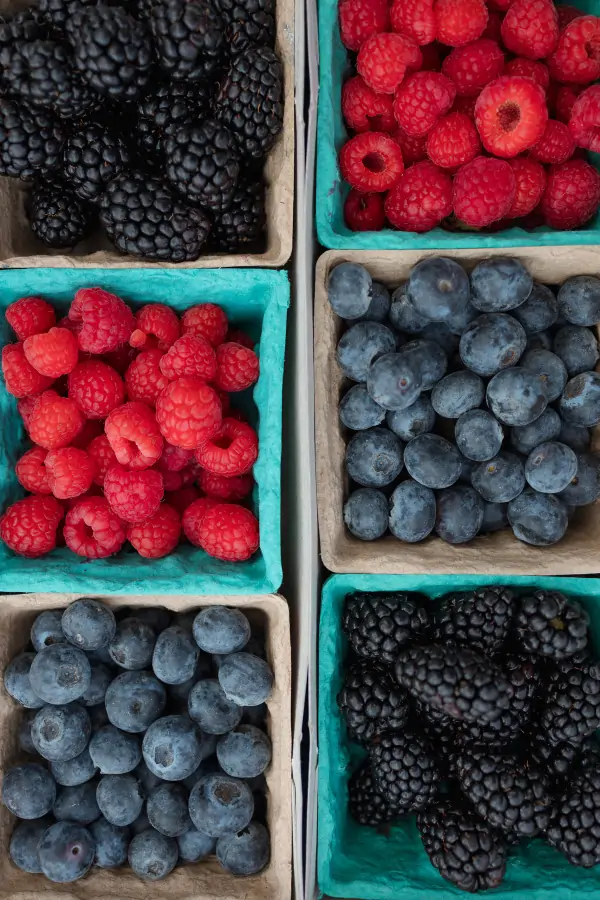
Focus on protein sources (chicken, fish, eggs, bone broth), colorful vegetables (for antioxidants), and foods rich in vitamin C and amino acids26. These give the building blocks your body uses to make collagen.
Protein sources rich in amino acids for collagen:
- Chicken, turkey, lean beef
- Fish and seafood
- Eggs (especially egg whites)
- Bone broth (contains collagen and amino acids directly)
- Beans, lentils, tofu (plant-based options)
Antioxidant-rich foods that protect collagen:
- Berries (blueberries, raspberries, blackberries)
- Dark leafy greens
- Tomatoes (rich in lycopene)
- Green tea
- Dark chocolate (in moderation)
Healthy fats that support skin health:
- Fatty fish (salmon, sardines, mackerel)
- Avocados
- Nuts and seeds
- Olive oil
You don’t need to eat all of these every day. Focus on including protein at each meal. Add colorful vegetables throughout the day. Choose whole foods over heavily processed options when possible.
What About Collagen Supplements?
Collagen supplements show mixed evidence. Some studies suggest modest improvements in skin hydration and stretch. Others show minimal effects16,17. Important notes: the FDA doesn’t check compounded collagen products18. Supplement quality varies. Benefits appear supportive rather than transformational.
If you’re thinking about collagen supplements, here’s what to know:
The potential benefits: Some studies show improvements in skin hydration, stretch, and wrinkles after 8-12 weeks of daily use17. Effects are typically modest, not dramatic.
The limitations: Your body breaks down collagen supplements into individual amino acids during digestion. These amino acids don’t go directly to your skin. Your body uses them wherever needed. There’s no guarantee they’ll be put back together as collagen in your skin specifically.
Quality concerns: Supplement quality varies widely. The FDA doesn’t check the safety or effectiveness of these products18. If you try supplements, look for products that have gone through third-party testing.
The bottom line: Collagen supplements might help some people modestly. But they’re not a substitute for sun protection, enough protein, and healthy lifestyle habits. If you try them, think of them as extra support, not a foundation. Start with the basics (sun protection, nutrition, stress management) first.
Does Your Skincare Routine Matter for Collagen?
While diet and lifestyle form your foundation, certain skincare ingredients may support collagen when used steadily. Particularly retinoids, vitamin C serums, and peptides. Research shows retinoids can speed up cell turnover and collagen formation14,15. Though results vary. These work best alongside sun protection and healthy habits. Not as replacements for them.
Skincare can’t replace sun protection, nutrition, and stress management. But certain ingredients may give extra support when layered on top of those basics. For a wider view that goes beyond collagen alone, our guide on how to improve skin health covers the foundational habits worth building around.
Retinoids and Cell Turnover
Retinoids speed up cell turnover and may boost collagen formation14,15. They’re among the most studied ingredients for skin aging. Though they need steady use and can cause initial irritation.
Retinoids (vitamin A derivatives) work by increasing cell turnover. They may signal your skin to make more collagen14,15. They’re available over-the-counter (retinol) and by prescription (tretinoin, adapalene).
What to know about retinoids:
- Start slowly (once or twice a week) and build up as your skin adjusts
- Apply at night (they can increase sun sensitivity)
- Expect some initial dryness or irritation—this often improves after a few weeks
- Results take time—typically 8-12 weeks before you notice changes14,15
- They work best as part of a routine that includes sun protection
Retinoids aren’t for everyone. If you have sensitive skin or certain skin conditions, they may cause more irritation than benefit. They’re optional, not required.
Vitamin C Serums and Antioxidants
Topical vitamin C acts as an antioxidant (protecting collagen from free radical damage). It may support building9,29. Combining vitamin C with sun protection gives layered protection.
Vitamin C in skincare serves two purposes. It acts as an antioxidant that protects existing collagen from damage. And it may support new collagen building9,29. It pairs well with sun protection. It gives extra defense against UV-caused free radicals.
Look for stable formulations. L-ascorbic acid is the most studied form, though it oxidizes quickly. Store vitamin C serums in a cool, dark place. Replace them if they turn brown.
Apply in the morning under sunscreen for maximum protection throughout the day.
What About Peptides and Hyaluronic Acid?
Peptides signal skin cells to make collagen (though evidence is emerging27). Hyaluronic acid hydrates and plumps skin28. Neither replaces basics like sun protection and nutrition.
Peptides are short chains of amino acids that may signal your skin to make more collagen27. The research is promising but still emerging. They’re unlikely to cause irritation. So they’re a low-risk addition if you want to try them.
Hyaluronic acid is a humectant that draws water into your skin. It makes it look plumper and more hydrated28. It doesn’t increase collagen production. But it can improve skin texture and appearance. It’s gentle and works well for most skin types.
Both are optional additions that some people find helpful. They’re most effective when used steadily as part of a routine that includes sun protection.
Why “Collagen Banking” Creates More Stress Than Results

The more effective approach is supporting skin health within natural aging. Focus on a few evidence-based basics you can maintain long-term. Rather than trying to do everything perfectly.
“Collagen banking” is the idea that you need to prevent all collagen loss through intense, urgent interventions. It’s become a trending concept. But it often creates anxiety rather than habits you can keep.
“Collagen banking” suggests you need to do everything possible right now. To bank collagen before it’s too late. This framing creates unnecessary pressure. It often leads to:
- Decision fatigue from trying to do too many strategies at once
- Anxiety about aging and “running out of time”
- Expensive routines that aren’t sustainable long-term
- All-or-nothing thinking that makes you give up completely when you can’t be perfect
The reality is different. Collagen loss is gradual. Small, steady habits kept over years matter more than intense interventions you can’t sustain.
The most sustainable approach focuses on a foundation you can maintain indefinitely:
- Daily sun protection (the must-do)
- Enough protein and a generally healthy diet
- Basic stress management and steady sleep
- Avoiding smoking and moderating alcohol
- Optional additions (supplements, special skincare) only if they fit your life and budget
This isn’t “collagen banking.” It’s supporting skin health within the natural aging process. You’re not trying to prevent all change. You’re reducing preventable damage. While accepting that some change is normal and expected.
Progress matters more than perfection. A simple routine you maintain for decades beats an intense routine you give up after three months.
How Stress and Sleep Affect Your Collagen
Chronic stress raises cortisol levels. Research suggests this can hurt collagen production and speed up breakdown10. Meanwhile, sleep is when your body does most of its repair work. Including collagen building12,13. While managing stress and improving sleep won’t stop natural aging, they can help reduce faster damage. They support overall skin health.
Both stress and sleep affect your whole body. Skin included. They’re not just “nice to have” additions. They’re part of the foundation for how your body maintains and repairs itself.
The Cortisol-Collagen Connection
Chronic stress keeps cortisol high. Research links this to hurt collagen production and faster breakdown10. Stress management isn’t just about wellbeing. It supports skin health too.
When you’re stressed, your body prioritizes immediate survival over long-term maintenance. Cortisol (your primary stress hormone) rises. Prolonged high levels can hurt collagen building while potentially increasing breakdown10.
This doesn’t mean you need to remove all stress (impossible). Or achieve perfect calm (unrealistic). It means finding practices that help you manage stress in a sustainable way:
- Regular movement (walking, yoga, whatever you enjoy)
- Breathing exercises or meditation
- Time in nature
- Social connection
- Hobbies that help you decompress
- Setting boundaries when possible
Small, steady stress management practices add up. You don’t need an hour-long meditation practice. Even 10 minutes of intentional breathing or a 20-minute walk can help.
Sleep as Repair Time
During sleep, your body increases cell turnover and collagen building12,13. Steadily poor sleep (under 7 hours) may hurt these repair processes. It may add to visible aging.
Sleep is when your growth hormone levels rise. Your body shifts into repair mode12. Collagen building happens continuously. But it speeds up during deep sleep12,13.
Steadily getting under 7 hours doesn’t just leave you tired. It may hurt your skin’s ability to repair and maintain itself11,12,13.
Sleep habits that support skin repair:
- Steady bedtime (even on weekends)
- Dark, cool room
- Limiting screens an hour before bed
- Avoiding large meals or alcohol close to bedtime
- Managing stress and anxiety that hurt sleep
You don’t need perfect sleep every night. But steadily prioritizing 7-8 hours creates better conditions for your body’s natural repair processes.

Take The
First Step
with Brello
Final Thoughts
Supporting collagen health isn’t about stopping natural aging. It’s about reducing preventable damage through small, steady habits. Daily sun protection, enough protein, and stress management form your foundation. No matter your age. What matters most in your 30s may need changes in your 50s. And that’s normal. Focus on sustainable practices you can maintain long-term. Rather than intense routines that create stress. Aging is natural. Supporting your skin’s health within that process is a worthwhile, realistic goal. You can work toward at any stage.
Frequently Asked Questions
Is it possible to rebuild lost collagen?
You can’t completely reverse the aging process or restore collagen to youthful levels. But you can take steps to support collagen production and reduce further loss. The key is understanding that “rebuild” implies reversal. Research doesn’t support this. What you can do is slow faster damage. Through sun protection, good nutrition, stress management, and healthy lifestyle habits. Think of it as supporting skin health within natural aging. Rather than trying to turn back time. Results vary based on age, genes, and how steady you are.
Why am I losing collagen so fast?
If collagen loss feels rapid, several factors might be at play. You may be in your 40s-50s going through menopause-related speeding up (women can lose up to 30% of collagen in the first 5 years after menopause2,3). Lifestyle factors like sun exposure or stress may be adding to natural aging. Or you might simply be noticing changes that have been gradual. Individual genes, sun exposure history, and hormone changes all influence the rate of loss. If changes feel sudden, consider talking with a healthcare provider. To rule out underlying health concerns.
What vitamin is best for collagen?
Vitamin C is the most essential vitamin for collagen building. It acts as a required helper that enables your body to make and stabilize collagen fibers8,9. You can boost vitamin C through citrus fruits, bell peppers, strawberries, broccoli, and leafy greens. Other supporting nutrients include zinc (found in nuts, seeds, and whole grains24). Copper (shellfish, nuts, seeds25). And amino acids from protein sources (chicken, fish, eggs, beans26). A well-rounded diet gives these nutrients naturally.
Do collagen supplements actually work?
The evidence on collagen supplements is mixed16,17. Some studies show modest improvements in skin hydration and stretch. Others show minimal effects. Important notes: the FDA doesn’t check the safety or effectiveness of compounded collagen products18. Supplement quality varies widely. Any benefits appear to be supportive rather than transformational. If you’re thinking about supplements, focus on sun protection and nutrition first. Those have stronger evidence. Supplements are an optional add-on, not a foundation.
What fruits are high in collagen?
This is a common misconception. Fruits don’t contain collagen. Collagen is an animal protein found in meat, fish, and bone broth1. However, vitamin C-rich fruits—like oranges, strawberries, kiwi, papaya, and guava—support your body’s natural collagen building8,9. Vitamin C is a required helper for collagen production. So eating these fruits helps your body make its own collagen. Rather than providing collagen directly. Focus on colorful fruits and vegetables. To get a variety of antioxidants that protect existing collagen too.
Can you prevent collagen loss in your 30s, 40s, and 50s?
You can slow faster collagen loss at any age. But what “slow” looks like differs by life stage. In your 30s, focus on prevention (daily sun protection, healthy habits) to reduce damage. In your 40s-50s, menopause can speed up loss2,3,22,23. So supporting skin health becomes about managing both natural hormone changes and lifestyle factors. The strategies stay similar (sun protection, nutrition, stress management). But expectations should be age-appropriate. You’re supporting skin health within natural aging. Not stopping the process completely.
How long does it take to see results from collagen-supporting habits?
Results vary widely based on your starting point, age, genes, and which habits you’re doing. Sun protection prevents further damage right away. But visible improvements in existing damage take months. Diet changes may show effects in skin hydration within weeks. But collagen-related changes (firmness, texture) typically take 8-12 weeks or longer17. Most importantly: these habits are about long-term skin health support. Not quick fixes. Staying steady matters more than speed. Individual results vary significantly.
Is “collagen banking” necessary?
No. “Collagen banking” is the idea that you need intense, urgent interventions to prevent all collagen loss. It often creates more stress than results. The more sustainable approach is supporting skin health through a few evidence-based basics (sun protection, enough protein, stress management). That you can maintain long-term. Trying to do everything perfectly often leads to decision fatigue. And giving up