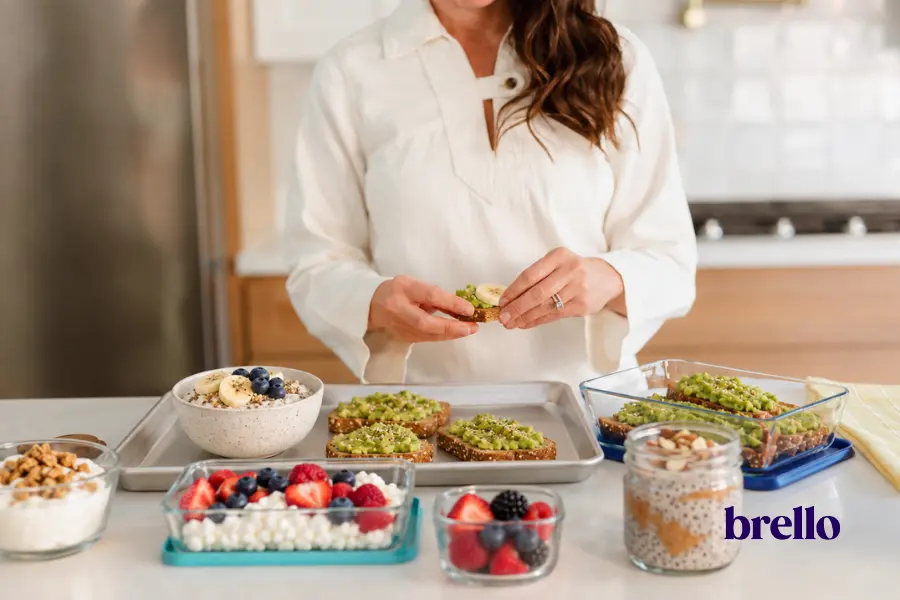
High protein breakfast ideas often start around 15–20g of protein, and many people aim for 20–30g to feel more satisfied.[1][2] Simple options include Greek yogurt bowls, cottage cheese plates, scrambled eggs with egg whites, overnight oats with mix ins, and a protein shake with almond milk. Pick two or three repeatable breakfasts, then rotate flavors all week.
High Protein Breakfast Ideas can feel simple—until it’s Monday morning, you’re tired, and you’re staring into the fridge hoping something “counts” without turning into a whole project. The truth is, a high-protein breakfast often comes down to a few repeatable building blocks you can mix and match all week.
In this guide, we’ll keep it practical and flexible, with options for busy mornings, meal prep days, and the “I can’t do eggs again” mood.
You’ll learn how to plan a week of high-protein breakfasts, what a realistic protein range can look like, and what to ask a healthcare provider if you want extra support.
This is for educational and informational purposes only and this does not constitute medical advice.
What counts as “high protein” at breakfast?
A “high protein” breakfast often starts around 15–20 grams of protein per serving, and many people aim closer to 20–30 grams.[1][2] Those ranges are common because they feel doable with normal foods. You don’t need a perfect number every morning. A repeatable breakfast staple often matters more than a strict target.
What does 20g vs 30g look like in real food?
A simple way to plan is to pick a protein range, then choose a matching breakfast. About 20g may fit lighter mornings. 30g may fit days when you want a more filling meal.[1][2] 40g can be possible, but it can feel like a lot for some people. Use these examples as a flexible guide.
| Protein ladder | What it can look like | Flavor ideas |
| Around 20g | Greek yogurt + berries + chia seeds | Sprinkle granola, add cinnamon, drizzle maple syrup |
| Around 30g | Scrambled eggs + egg whites + spinach | Add hot sauce, black pepper, and cheese |
| Around 40g | Cottage cheese bowl + nut butter + dried fruits | Add nuts, berries, and a pinch of salt |
Do I need to hit 30g every day?
You don’t need to hit the same number every day for your breakfast to “count.” Many home cooks do better with a range they can repeat.[1] Some mornings call for a smaller meal. Other mornings allow more food. If you track daily protein, you can spread more protein across meals instead of forcing it all at breakfast.

What are the easiest high protein breakfast ideas to repeat all week?
The easiest high protein breakfast ideas are the ones you can assemble without thinking. Start with a protein base you like, then add fiber and flavor. This keeps breakfast simple and still protein rich. When you rotate two or three easy breakfasts, you may feel less decision fatigue during the week.
The “protein base + fiber + flavor” template
A simple template can keep breakfast easy without feeling boring. First, choose a protein base like Greek yogurt, cottage cheese, eggs, or tofu. Next, add fiber like oats, fruits, or black beans. Then add flavor with toppings, seasoning, or hot sauce. This structure works for sweet or savory breakfasts.
Quick templates
- Yogurt bowl: greek yogurt + berries + chia seeds + sprinkle of granola
- Savory plate: scrambled eggs + spinach + cheese + black pepper
- Bowl idea: cottage cheese + fruits + almond butter + nuts
A 3-template rotation (sweet, savory, sippable)
A small rotation can help you stay consistent without repeating the same taste. Pick one sweet breakfast, one savory breakfast, and one creamy smoothie or shake. Then swap toppings and seasoning during the week. You can keep the mixture familiar while changing the flavor.
Example rotation
- Sweet: overnight oats with almond milk, berries, and mix ins
- Savory: egg + vegetables with hot sauce and pepper
- Sippable: protein shake with almond milk, peanut butter, and spinach
How can I plan a week of high protein breakfasts without getting bored?
Planning a week works best when you keep it small and realistic. Choose three breakfasts you like, shop once, and prep one or two parts ahead. That’s often enough for a full week. A simple plan can reduce stress and help you keep more protein in your morning meal.
Step-by-step weekly plan (choose 3 breakfasts, shop, prep)
You can plan your week in a few short steps. First, choose three high protein breakfast recipes you would actually eat. Next, list the key protein foods and toppings you need. Then prep one or two items, like hard-boiled eggs or overnight oats. Keep the plan flexible so you can swap days.
Week plan (simple)
- Pick 3 breakfasts (sweet, savory, no-cook).
- Buy protein bases + fiber add-ons + toppings.
- Prep 1–2 components for the week.
- Rotate flavors to keep taste fresh.
A simple grocery list for protein-forward breakfasts
A grocery list keeps planning fast and prevents “random breakfast” weeks. Start with protein bases like greek yogurt, cottage cheese, eggs, and a protein shake option. Add fiber foods like oats, fruits, and black beans. Then add flavor items like hot sauce, seasoning, nuts, and nut butter.
Shopping list (starter)
- Protein base: greek yogurt, cottage cheese, egg, egg whites
- Fiber add-ons: oats, fruits, berries, black beans
- Flavor: hot sauce, black pepper, salt, spices, granola
- Extras: nuts, peanut butter, almond butter, chia seeds
A “taste fatigue” fix list (swap flavors, not the whole meal)
Taste fatigue is real, especially with breakfast. You can fix it by swapping flavor, not your entire routine. Change the topping, seasoning, or texture. Keep the same protein base and use new mix ins. This can help breakfast stay enjoyable without extra cooking.
Easy flavor swaps
- Sweet: cinnamon, berries, dried fruits, maple syrup drizzle
- Savory: hot sauce, pepper, herbs, cheese sprinkle
- Crunch: nuts, granola, toasted seeds
What to ask a healthcare provider (questions only):
- “What protein range may fit my routine?”
- “What foods might feel easier for me in the morning?”
- “What should I watch for if certain breakfasts feel too heavy?”
What are quick high protein breakfast ideas for busy mornings?
Quick breakfasts usually work best when they’re “assemble, not cook.” A no-cook bowl can take two minutes. A fast egg meal can take five. The goal is a simple protein breakfast you can repeat on a busy week. You can keep it delicious without needing a long recipe.
No-cook ideas (2–5 minute options)
No-cook breakfasts are helpful when you’re rushing or not in the mood to cook. Start with a protein base, then add toppings for flavor. Keep portions simple and consistent. These ideas often feel practical for work days and quick mornings.
No-cook options
- Cottage cheese + fruits + nuts + sprinkle of cinnamon
- Greek yogurt + berries + chia seeds + granola
- Protein shake + nut butter + banana (blended or stirred)
- Gluten free tortillas with cheese + black beans (wrap and eat)
5-minute cooked ideas (microwave or stovetop)
Fast cooked breakfasts can still be simple. Focus on one pan or one bowl. Add vegetables for flavor and fiber. Use seasoning to keep it interesting. These are easy breakfast ideas for home cooks who want warm food.
Fast cooked options
- Scrambled eggs + egg whites + spinach + black pepper
- Microwave oats + almond milk + peanut butter + berries
- Breakfast sausage + vegetables + egg (quick skillet)
- Egg wrap in gluten free tortillas + hot sauce
How do I meal prep high protein breakfasts for the week?
Meal prep can make breakfast feel easier because you do the work once. Prep-ahead breakfasts like overnight oats, egg muffins, and yogurt bowls can save time. You don’t need a full meal prep marathon. A small prep can often cover most of the week and reduce morning cooking.
Prep-ahead breakfasts that store well
The best meal prep breakfasts are ones that stay tasty after a day or two. Overnight oats hold well in the fridge. Egg muffins can freeze and reheat. Yogurt bowls work when you prep toppings separately. Choose two prep options and keep the rest no-cook.
Prep ideas
- Overnight oats with almond milk + chia seeds + berries
- Egg muffins with spinach, cheese, and seasoning
- Breakfast burritos with black beans and egg (freeze)
- Snack-style boxes: cottage cheese + fruits + nuts
The “mix and match” prep method (prep ingredients, not recipes)
If full recipes feel like too much, prep ingredients instead. Cook a batch of eggs. Wash fruits and berries. Portion oats, nuts, and mix ins into small containers. Then build your breakfast in minutes. This method supports healthy eating without turning breakfast into a big project.
Prep what helps
- Hard-boiled eggs or cooked egg whites
- Washed fruits and berries
- Oats portioned into jars
- Nuts and granola ready to sprinkle
Are two eggs enough protein for breakfast?
Two eggs can be a solid start, but they may not feel like “enough protein” for everyone. That depends on your goals, your hunger cues, and what else you eat that day. If you want more protein, the easiest move is to add a small side protein. Keep it simple and repeatable.
Easy add-ons to boost protein with eggs
You can boost eggs without making breakfast much bigger. Add egg whites to your scramble for more protein. Pair eggs with cottage cheese or greek yogurt. Add breakfast sausage if you enjoy it. Use vegetables and seasoning for flavor, like spinach, pepper, and hot sauce.
Easy combos
- Scrambled eggs + egg whites + spinach + hot sauce
- Eggs + cottage cheese + berries on the side
- Eggs + breakfast sausage + vegetables and pepper
Is oatmeal a high-protein breakfast by itself?
Oatmeal is usually a moderate protein breakfast by itself, but it can become high protein with smart add-ons. You can keep the comfort-food feel while adding more protein. Choose one or two mix ins instead of adding everything. That helps the taste stay good and keeps prep simple.
Easy ways to turn oatmeal into “protein oats”
Protein oats can be simple and delicious. Cook oats with almond milk for a creamy base. Stir in greek yogurt after cooking for texture. Add nut butter for flavor and healthy fats. If you use a protein powder, start small and adjust for taste.
Protein oats mix ins
- Almond milk + oats + chia seeds + berries
- Oats + peanut butter or almond butter + sprinkle of salt
- Oats + greek yogurt + granola topping
- Oats + dried fruits + nuts + cinnamon
What are shelf-stable high protein breakfast ideas for work or travel?
Shelf-stable breakfasts help when you can’t cook or don’t have a fridge nearby. A simple two-item combo can be easier than a full recipe. Pair a protein drink or bar with a second item for more protein. Keep the plan flexible so it fits commuting, office mornings, or travel days.
Shelf-stable “two-item combos” (table)
Shelf-stable combos work best when they are simple and familiar. Pick two items you can keep at work or pack in a bag. Aim for enough protein to feel satisfied. Add a fruit if you want fiber. Use these as backup breakfasts for busy weeks.
| Two-item combo | Why it works | Flavor tip |
| Protein shake + nuts | Fast and portable | Add cinnamon or cocoa |
| Protein bar + shelf-stable milk | Easy to store | Choose a lower-sugar option if you prefer |
| Nut butter pack + crackers | Simple and filling | Add a sprinkle of salt |
| Canned fish + crispbread | Savory and packed | Add hot sauce and pepper |
What to consider with bars and ready-to-drink shakes
Bars and ready-to-drink shakes can be convenient, especially when you’re busy. Some options are higher in added sugar, and some have low fiber. Nutrition Facts labels can help you compare serving sizes, grams of protein, and added sugars so you can choose what fits your routine.[3][4] Rotating in whole foods, like yogurt or eggs, can keep your week balanced.[3]
If mornings feel hard, what are gentle high protein breakfast ideas?
Some mornings, a big meal can feel like too much. Gentle breakfasts often use softer textures and smaller portions. A creamy smoothie, yogurt, or soft oats may feel easier to eat slowly. You can start small and build later if you want. The goal is a calm breakfast you can tolerate and repeat.
Small-start options you can build on later
A “small start” can help when you don’t want a full meal right away. Begin with a few bites or sips. Then pause and see how you feel. If it’s going well, add a second part later in the morning. This can feel more manageable than forcing one large breakfast.
Small-start ideas
- Half a protein shake made with almond milk
- A few spoonfuls of greek yogurt with berries
- A small bowl of oats with chia seeds
- Cottage cheese with fruit, eaten slowly
When rich foods feel too heavy (simple swaps)
Rich foods can feel heavy for some people, especially early in the morning. You can try swapping the texture, the fat level, or the portion size. Choose leaner breakfast sausage, or use less cheese. Add vegetables like spinach for flavor. Keep seasoning strong with black pepper or hot sauce.
Simple swaps
- Try egg whites with whole eggs in your scramble
- Swap bacon for a smaller portion of sausage, if you use meat
- Use yogurt bowls instead of fried breakfast plates
- Keep toppings light, then add more if desired
What should I ask a healthcare provider about breakfast protein?
If you feel stuck or unsure, it can help to bring questions to a healthcare provider. You can ask about a realistic protein range and what “enough protein” may look like for you. You can also ask how to plan breakfast when mornings feel unpredictable. This section is educational and process-first.
Questions to ask about protein range, appetite, and routines
Good questions can help you feel more confident in your choices. You can ask about daily protein goals and how to spread more protein across meals. You can also ask what foods may fit your schedule and taste. Keep questions simple and specific to your routine.
Questions to bring
- “What daily protein range may fit my needs?”
- “What breakfast options might fit my schedule?”
- “How can I plan a week without overdoing it?”
- “What should I consider if some foods don’t sit well?”
What to expect from a provider review (process only)
A provider review is usually a structured conversation about your health history and goals. You may discuss your routine, food preferences, and any concerns you have about nutrition. You may also share what you’ve tried before. Brello is a place where you can start a provider review and learn through supportive, stigma-free education.

Take The
First Step
with Brello
Final Thoughts
Breakfast planning doesn’t need to be perfect to be helpful. If you pick a few high protein breakfast ideas you genuinely enjoy, you can build a week that feels simple, flexible, and realistic—whether you prefer sweet, savory, no-cook, or meal prep options. Think in repeatable templates, swap flavors when you get bored, and keep a shelf-stable backup for the mornings that go sideways. If you want extra clarity on protein targets or routine planning, a healthcare provider review can help you talk through options.
Frequently Asked Questions
-
What counts as a high-protein breakfast?
A high-protein breakfast often starts around 15–20 grams of protein per serving, and many people aim closer to 20–30 grams.[1][2] Those ranges are common because they can fit normal meals and busy mornings. You can treat these numbers as a guide, not a rule. Results vary.
-
How many grams of protein should I eat at breakfast?
Many people use a breakfast range like 20–30 grams of protein because it feels practical and satisfying.[1][2] Some people choose less on lighter mornings. Others choose more when they want a bigger meal. A healthcare provider can help you choose a target that fits your routine.
-
How can I get 30g of protein for breakfast?
To get about 30g, you often need a strong protein base plus one boost.[1][2] For example, you might pair greek yogurt with chia seeds and another protein food. Eggs can be boosted with egg whites or a side protein. A simple combo can be easier than a complex recipe.
-
Are two eggs enough protein for breakfast?
Two eggs can be a good breakfast staple, but they may not reach higher protein targets on their own.[1][2] Some people feel more satisfied when they add a small side protein, like cottage cheese or greek yogurt. Others are fine with eggs alone. Your needs and comfort can vary.
-
How many eggs make 30g of protein?
The exact number can vary by egg size and serving, so labels can help.[4] Many people find that eggs alone may take several to reach 30g. That’s why “eggs + egg whites” or “eggs + a side protein” often feels easier. It can raise protein without a very large plate.
-
Is oatmeal a high-protein breakfast?
Oatmeal is usually moderate protein by itself, but it can become protein rich with add-ins. Almond milk, greek yogurt, nut butter, and chia seeds can raise protein and fiber. If you use protein powder, start small for taste. Keep mix ins simple so it stays enjoyable.
-
What are 5-minute high protein breakfast ideas?
Five-minute ideas usually focus on quick assembly. Greek yogurt with berries and granola works well. Cottage cheese with fruit and nuts is another option. Scrambled eggs with egg whites and spinach can also be fast. A protein shake with almond milk can work when you need something sippable.
-
What is a shelf-stable breakfast protein?
Shelf-stable breakfast protein includes items you can store without a fridge, like protein bars, ready-to-drink shakes, nut butter packs, and canned fish. These can be helpful for work, travel, or backup mornings. Pairing two items can make it easier to reach your protein range. Labels can help you compare options.[4]
-
Can I rely on protein bars or shakes every morning?
Bars and shakes can be convenient, but labels can vary a lot. Some have more added sugar, and some have low fiber. Nutrition Facts labels can help you compare serving sizes, protein, and added sugars.[3][4] Rotating in whole foods like eggs, yogurt, or oats can help keep your week balanced.[3] If you’re unsure what fits you, a healthcare provider can help you compare options.
-
Is it okay if I don’t hit 30g every day?
Yes, it can be okay. Many people do better with consistency over time rather than a perfect number daily.[1] You can also spread protein across meals instead of forcing a large breakfast. If you feel confused about targets, a healthcare provider can help you choose a realistic range.
-
What are egg-free high protein breakfast ideas?
Egg-free ideas can still be simple. Try cottage cheese with fruit and nuts, or greek yogurt bowls with chia seeds and berries. A tofu scramble with vegetables and seasoning is another option. A protein shake can also work on busy mornings. Choose the format you can repeat.
-
What are dairy-free high protein breakfast ideas?
Dairy-free options can include tofu scramble, black beans in gluten free tortillas, and a protein shake made with almond milk. Oats can also work with chia seeds and nut butter. Some people prefer savory breakfasts with vegetables and seasoning. A healthcare provider can help if you need help comparing options.