TL;DR: Low impact strength training is a joint-friendly way to build strength using controlled moves, resistance bands, bodyweight, or light weights — without jarring, high-impact motion. Low impact means less stress on the joints, not less effort, and research suggests it can build real strength when you train with enough effort and stay consistent.
Maybe you’ve wondered whether low impact strength training is really “enough” — or whether getting stronger has to mean heavy weights, pounding workouts, and sore joints the next day. It doesn’t.
Low impact means less stress on your joints, not less effort. With controlled movements, resistance bands, or light weights, you can build real strength in a way that feels doable and gentle on your body.
That’s welcome news whether you’re just starting, easing back into movement, or simply want a routine you can keep up. Small steps count.
What is low impact strength training?
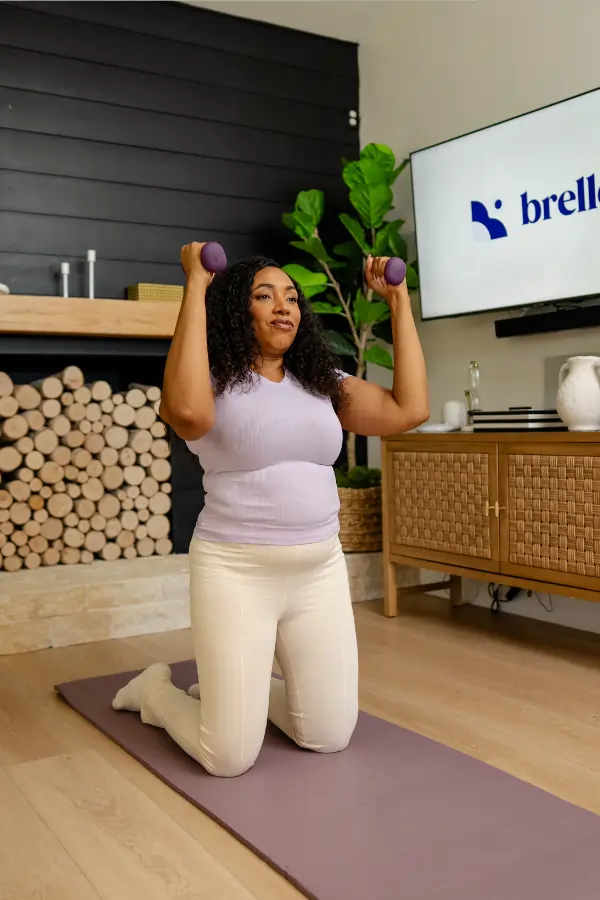
Low impact strength training is a joint-friendly way to build strength using controlled movements, resistance bands, bodyweight, or light weights, while keeping at least one foot grounded and skipping jarring, high-impact motion. It lowers the stress placed on your joints without lowering the effort that helps build strength.
The “impact” in a workout refers to force on your joints — the pounding of jumping, running, or explosive moves. Low impact simply removes that pounding.
What “low impact” really means
Low impact means reduced joint load, not reduced effort. You can still challenge your muscles by moving slowly, using resistance bands, or holding a position longer. The goal is control, not force.
Does low impact strength training actually build muscle?
Yes — low impact strength training can build real strength. Low impact means less stress on your joints, not less effort. Research suggests light weights, bands, and bodyweight moves can build meaningful strength when you train with enough effort and stay consistent4. Heavier loads may add more maximum strength, but effort and consistency tend to matter most.
That last point is where a lot of people get stuck. They assume light equipment can’t do much. The evidence points the other way.
Research comparing lighter and heavier loads has found that the type of equipment — bands or free weights — does not consistently change your results, and that lighter loads can build muscle much like heavier ones when your sets are challenging4. Studies of slow, controlled movements in older adults have also shown gains in muscle and strength5.
Why effort and time under tension beat heavy loads
What builds strength is challenging the muscle, not lifting the heaviest thing in the room. A few ways to make light resistance count:
- Slow the movement down so the muscle works longer.
- Control both directions — lifting and lowering.
- Add reps or resistance gradually as moves start to feel easier.
Do that, and low impact work can be plenty challenging.
What are the benefits of low impact strength training?
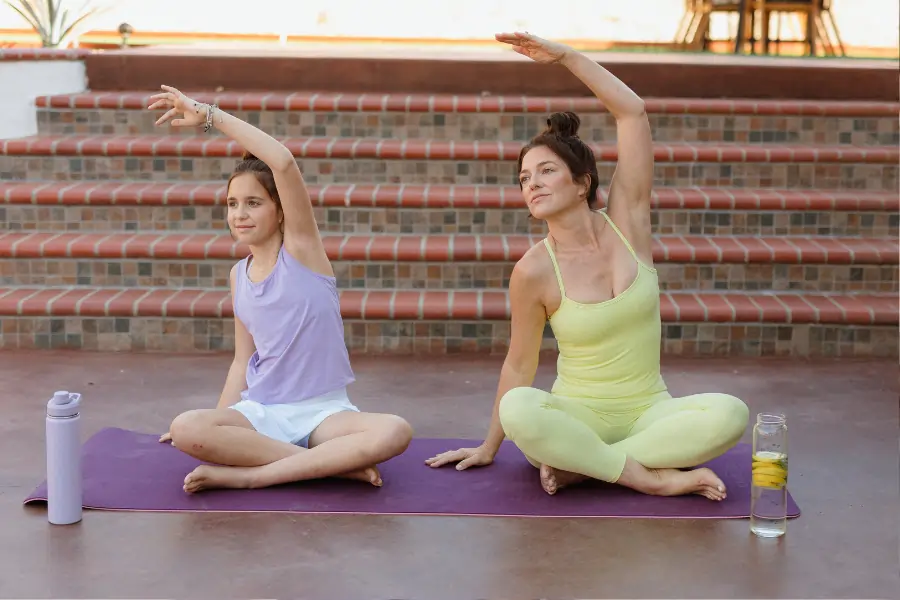
Low impact strength training may support stronger muscles, steadier balance, and bone health, and it can make everyday tasks like carrying groceries or climbing stairs feel easier. Public-health guidance treats regular strength and balance activity as important for healthy aging — benefits you can gain without the joint stress of high-impact workouts1.
These aren’t overnight changes. They build with consistency over weeks and months, and they vary from person to person.
Stronger muscles for everyday life
Stronger muscles make daily movement easier — lifting a laundry basket, getting up off the floor, carrying a toddler. The Centers for Disease Control and Prevention encourages strength activity for adults partly for this reason: it supports the everyday function that keeps you independent1,2.
Balance, stability, and bone support with age
Controlled strength work also supports balance and may help support bone health as we age. According to a research review on resistance exercise and bone health, resistance training can positively influence bone and, by improving strength and balance, may lower the risk of falls3. Slow, controlled moves like planks or wall sits also build the stability that steadies you day to day3.
Low impact vs high impact strength training: what’s the difference?
The main difference is joint load, not effort. Low impact strength training keeps movements controlled and grounded to protect the joints, while high impact adds jumping, hopping, or pounding. Both can build strength — low impact may suit sensitive joints, beginners, and anyone who wants a routine they can keep up long term.
| Low impact strength training | High impact training | |
| Joint load | Lower — controlled, grounded moves | Higher — jumping, pounding |
| Movement | Slow and controlled | Fast or explosive |
| Often suits | Beginners, sensitive joints, easing back in | Those wanting speed/power work |
| Main goal | Build strength gently and sustainably | Add power and intensity |
Neither is “better.” The right fit depends on your joints, your goals, and what you can stick with. Pairing strength work with low impact cardio workouts can round out a joint-friendly routine.
Best low impact strength exercises to try
Beginner-friendly low impact strength exercises include glute bridges, chair squats, wall push-ups, resistance band rows, wall sits, and incline push-ups. These controlled moves work the major muscle groups across your upper body, lower body, and core using bands, light dumbbells, or just your bodyweight — so you can start at home with little equipment.
A simple full-body starter set
Try these controlled moves, focusing on form over speed:
- Glute bridges — lie on your back, knees bent, and lift your hips to work the glutes and hamstrings.
- Chair squats — lower to lightly tap a sturdy chair, then stand back up.
- Wall push-ups — hands on a wall, shoulder-width apart, to work the chest and arms.
- Resistance band rows — anchor a band and pull toward your torso to work the back.
- Wall sits — hold a seated position against a wall to build the legs.
- Incline push-ups — hands on a bench or counter to reduce strain while working the upper body.
What equipment do you need?
Not much. A set of resistance bands, a pair of light dumbbells, or simply your bodyweight covers most beginner routines. Bands are inexpensive, easy to store, and gentle on the joints, which makes them a friendly starting point at home. If you enjoy floor-based, joint-friendly moves, wall Pilates for beginners is another gentle place to start.
How often should you do low impact strength training?
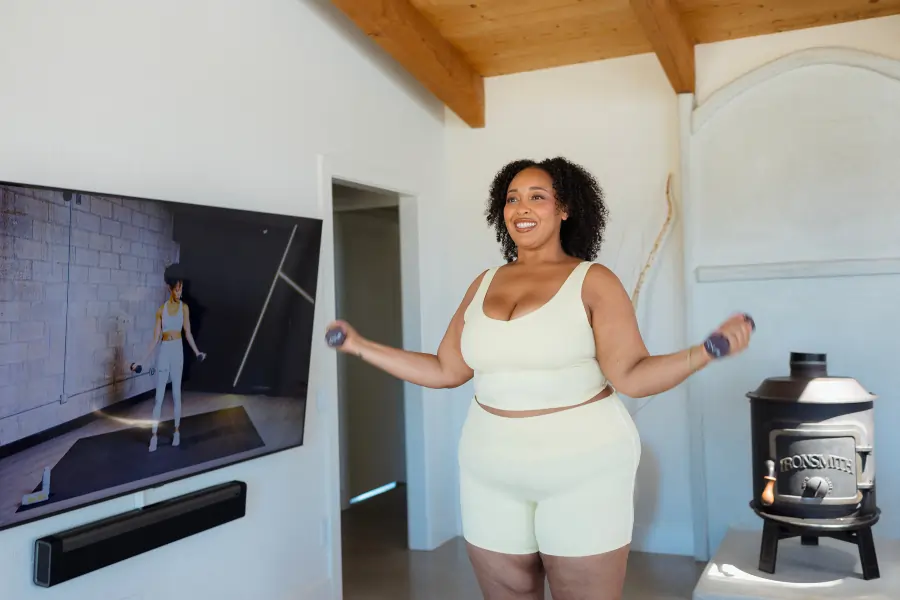
A common starting point is two to three sessions a week, with a rest day between working the same muscle group. Public-health guidance suggests muscle-strengthening and balance activity on at least two days a week1. Consistency tends to matter more than intensity, so start where you can realistically keep it up.
If two short sessions feel manageable, that’s a solid place to begin. You can always add a third later.
Who is low impact strength training for?
Low impact strength training can suit beginners, women who want to build strength without high-impact strain, people with sensitive joints, and anyone easing back into movement. It is not only a “starter” workout — many people choose it as a lasting way to stay strong. As with any routine, results vary from person to person.
It can be a good match if you:
- Are new to strength work or returning after a break.
- Prefer movement that feels gentle on the knees, hips, and back.
- Want something you can do at home and keep up long term.
For a routine geared to midlife, strength training for women over 50 is a helpful next read.
How to start and stay consistent
To start low impact strength training, pick a few controlled moves, use light resistance, and focus on good form over speed. Begin with about two short sessions a week and add gradually. Because it’s gentle on the joints, it’s often easier to keep up — and consistency is what turns small steps into steady progress.
The routine you actually repeat beats the perfect one you quit. Start small and build from there. Other gentle ways to keep momentum going include a beginner walking workout plan and simple ways to build healthy habits.
Common mistakes to avoid
- Doing too much too soon — more soreness isn’t the goal; steady progress is.
- Rushing the reps — slow, controlled moves do more than fast ones.
- Skipping form for speed — good form protects the joints and works the muscle better.
When to slow down or ease off
Some muscle fatigue is normal. Sharp or lingering joint pain is a signal to ease off, rest, and scale back the load or range of motion. There’s no prize for pushing through pain — gentler and consistent wins over time.

Take The
First Step
with Brello
Final Thoughts
Getting stronger was never really about the heaviest weight in the room. It’s about moving through your days — stairs, groceries, getting up off the floor — with more ease and confidence.
So pick one small move this week. A few glute bridges, a set of wall push-ups, or one round with a band. That’s how a routine starts.
Low impact can be your entry point or your long game, and both are worth something. The strength you build gently, week after week, is still real strength.
Frequently asked questions
Is low impact strength training enough to build strength?
Yes. Low impact means less stress on the joints, not less effort. Research suggests bands, bodyweight, and light weights can build meaningful strength when the moves are challenging and you stay consistent4. Heavier loads may add more maximum strength, but you don’t need them to get stronger.
How often should I do low impact strength training?
A common starting point is two to three sessions a week, with a rest day between working the same muscle group. General guidance suggests strength and balance activity on at least two days a week1. Consistency matters more than intensity.
Is low impact strength training okay for sensitive joints?
It’s often chosen by people who want to be gentler on their joints, since it avoids jarring, high-impact motion. Focus on controlled moves and comfortable ranges, and ease off if you feel sharp pain. Everyone is different, so start slow and build gradually.
What equipment do I need to start?
Very little. Resistance bands, a pair of light dumbbells, or your own bodyweight are enough for most beginner routines. Bands are affordable, portable, and easy on the joints.
Is low impact strength training good for women over 40?
It can be a good fit for many women who want to build strength without high-impact strain, and it’s often used as a lasting routine rather than a starter phase. As always, results vary, so begin at a comfortable level and progress gradually.
What is the 3-3-3 rule for working out?
“3-3-3” is a general shorthand some people use for a simple movement pattern — for example, three sets, three moves, or three days a week. It’s not an official rule, just an easy way to keep a routine simple and repeatable.
Can low impact workouts fit into a healthy, active routine?
Yes. Gentle, consistent movement can be part of a balanced routine alongside everyday activity and healthy habits. Focus on what feels sustainable for you rather than chasing quick changes, and let steady progress build over time.