Healthy aging tips show up everywhere right now. They’re in podcasts, in your feed, in every wellness newsletter. Most of them treat aging like a list of separate health problems to solve. But for women living through midlife, the experience usually doesn’t feel like a list. It feels like a shift.
Many women in their forties and fifties describe the same quiet recognition. Not a sudden change, but a sense that the body is operating on a different rhythm than it used to. The morning after a late dinner sits differently. Recovery from a hard workout takes longer. The afternoon hits with a different kind of tired. None of these are problems to fix in isolation. They’re signals that the body’s underlying rhythms are shifting as part of the natural aging process.
Here is the reframe worth holding onto: this isn’t decline. It’s a shift in how your body operates. The research field that studies aging has moved past “anti-aging” language. The newer term is healthspan — the years lived in good function and vitality. Lifespan asks how long. Healthspan asks how well.1 And the most encouraging finding is that healthspan is shaped, in a meaningful part, by daily routine.
Researchers studying healthy aging often point to three pillars — three connected areas of the body that respond to daily habits.1 Cellular vitality is how your cells make and use energy.5 Hormonal vitality governs the rhythms of sleep, recovery, and resilience.7 Holistic nourishment is the relationship between what you eat and how you eat it.9 These aren’t separate goals to chase. They’re connected systems that reinforce each other. This guide walks through each one with practical healthy aging tips you can layer into your week to stay healthy across the years.
What “Healthy Aging” Really Means
The conversation around aging has shifted. For decades, the cultural language was “anti-aging.” A fight against time, with creams and routines positioned as defense. The research field has moved past that frame. The newer language is healthspan: the number of years lived in good health and full function, separate from total lifespan.1
The World Health Organization defines healthy aging around the function people care about as they grow older. Walking with stability. Thinking clearly. Connecting with loved ones. Continuing to do what matters to them.2 That definition matters because it reframes the goal. The goal isn’t to delay a number. It’s to protect capability and overall well being.
Researchers and clinicians in the field of lifestyle medicine have identified daily habits as foundational to long-term healthspan. These include a healthy diet, physical activity, enough sleep, and how we manage stress.3 The National Institute on Aging publishes broadly similar guidance for older adults. Their guidance points to the same lifestyle inputs alongside the importance of regular checkups and screening conversations with a primary care provider.4 Different frameworks exist. Some name six lifestyle pillars. Some name three. Some name more. The point is integration, not the count.
This article walks through three pillars that researchers commonly discuss in connection with healthy aging: cellular vitality, hormonal vitality, and holistic nourishment. They aren’t a Brello framework. They’re a synthesis of how the body’s systems are now understood to work together. The most useful healthy aging tips support all three, not just one.
The First Pillar: Cellular Vitality
Imagine the cells in your body as the smallest workers keeping you running. Inside each one are tiny structures called mitochondria. They’re sometimes described as the body’s cellular batteries. They take what you eat and what you breathe and turn them into the energy that powers everything else. Thinking. Moving. Recovering. Repairing.
Research suggests that cellular function shifts with age.1 Mitochondria may operate less efficiently.1 The body’s natural cellular cleanup processes may slow down. One of those processes is called autophagy — when cells recycle their own worn-out parts.5 Oxidative stress, the everyday wear-and-tear from normal cellular activity, may also build up faster than the body clears it.1,5 These shifts are part of normal biology, not a flaw. Researchers studying the cellular hallmarks of aging often discuss them as the foundation other healthspan changes build on.
The encouraging finding: cellular vitality responds to daily habits. Several lifestyle inputs are commonly studied in connection with cellular function and the broader health benefits researchers tie to consistent care.

Prioritize sleep and aim for enough sleep
Much of the body’s cellular cleanup happens during sleep.5 Going to bed and waking around the same time most days is fundamental. Getting enough hours of good sleep on a regular schedule is part of the same pattern. Both come up regularly in sleep research as supportive of recovery and repair.
If sleep problems linger week after week, that’s worth a conversation with a healthcare provider. Chronic sleep apnea is one of several medical conditions that can interfere with deeper restorative sleep.
Try a time-restricted eating window
Some research has explored eating within a consistent daily window. For example, finishing dinner earlier and giving the body a longer overnight gap before breakfast. This pattern shows up in some studies in connection with cellular cleanup activity.6
Lean into antioxidant-rich foods
Colorful produce, leafy greens, berries, whole grains, and a variety of plants give the body compounds that help manage oxidative stress. A varied, plant-forward eating pattern is one of the most consistently studied lifestyle inputs for healthspan. Research often connects it to heart health and how blood flow holds up across the years.
Move regularly across the week
Both gentler movement and harder bouts show up in research connected to cellular function. Brisk walking and mobility work count. So do weight training and brief intense efforts. The variety may matter more than the volume. Staying active in small ways across the day adds up alongside structured movement. A short walk after meals. Taking the stairs. None of it has to be heroic.
Add hot or cold exposure
Sauna sessions and brief cold exposure are increasingly studied as supportive lifestyle practices. The research is still developing. But the patterns are encouraging enough that many longevity-focused practices include them in moderation.
Limit foods linked to inflammatory load
Cutting back on processed foods, foods high in added sugar, and frequent saturated fats comes up consistently in research on long-term health conditions. Limiting too much alcohol is part of the same conversation. The point isn’t strict avoidance. It’s frequency and proportion across the week.
Cellular vitality isn’t built in a day. It’s the cumulative effect of small, consistent inputs over weeks and months. The kind of quiet investment whose returns show up gradually. Researchers often associate this kind of steady pattern with reduced risk of the chronic conditions that build from cellular wear over time.
The Second Pillar: Hormonal Vitality
Hormones are the chemical messengers that coordinate sleep, recovery, energy use, mood, and how the body responds to stress.7 They aren’t a single system but a network. They run in rhythms across the day, the month, and the decades of life.7
Midlife brings real shifts in those rhythms. Estrogen patterns change, often unevenly, in the years leading up to and through menopause. Growth hormone production peaks in young adulthood and declines gradually with age. Cortisol, the stress hormone, can settle into less helpful patterns under chronic stress.7 None of these shifts are flaws. They’re biology adapting to a different stage of life. The question isn’t how to stop them. It’s how to work with them.
Build consistent sleep practices
Hormonal repair and regulation are tied closely to sleep architecture. That’s the cycles of deeper and lighter sleep that happen across the night. Consistent sleep practices may support the body’s natural hormonal rhythms.
The cue here is the wind-down. Lower lights. Screens away. A quiet transition that signals the body it’s time to shift gears.
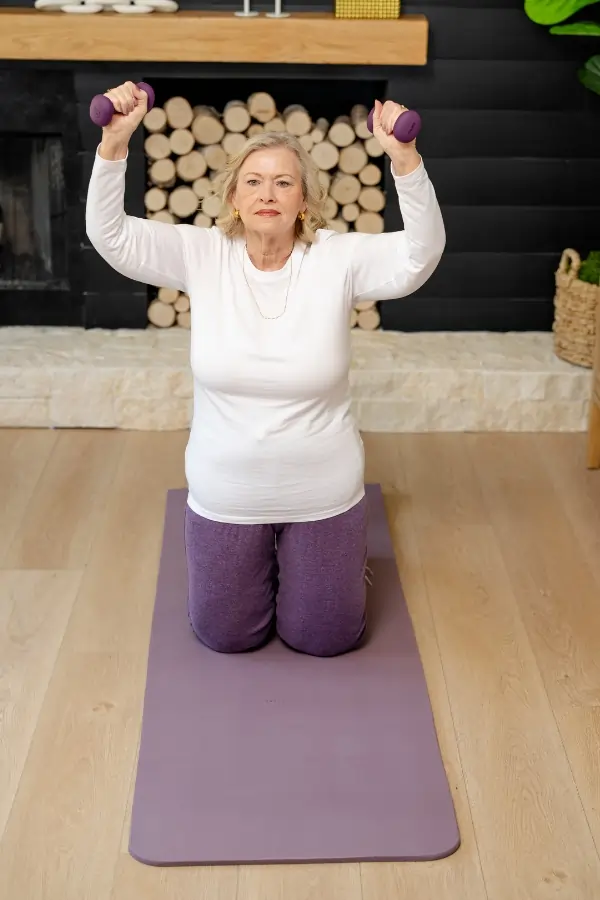
Add strength and resistance work
A growing body of research connects regular weight training and resistance work with healthy hormonal function across the lifespan.8 Strength work also shows up in research connected to bone density. It’s been associated with helping prevent falls in older adults. That’s a meaningful overlap. Falls are one of the larger health problems associated with aging. Our strength training guide for women over 50 goes deeper into how to start a routine that fits midlife realities.
Practice ways to manage stress and reduce stress
Chronic stress is a real input into hormonal patterns. It’s not a willpower issue. Several practices come up in research on stress regulation, mental health, and emotional well being. Breathwork. Somatic exercises. Slow walks that don’t have to count for anything. Journaling. A regular yoga class.
The point isn’t elimination. It’s regulation. Cultivating a positive outlook tends to be something built through small daily practices rather than something you summon on demand.
Support hormones through nutrition
Hormonal function relies on the building blocks the body gets from food. Adequate protein at most meals matters. Healthy fats matter too — olive oil, nuts, fatty fish. So does a steady supply of micronutrients from a varied plant-forward diet.
A registered dietitian can help personalize an approach if you’re navigating specific medical conditions or want a more tailored plan.
Practice cycle awareness
For women still cycling, syncing some habits to the natural rhythm of the cycle is a way of working with hormonal rhythms rather than against them. Heavier movement when energy peaks. Gentler practices when it doesn’t.
Hormonal vitality is about working with your body’s changing rhythms, not against them. The midlife body isn’t a younger body that needs fixing. It’s a different body. One that often responds well to a different rhythm of habits.
The Third Pillar: Holistic Nourishment
The third pillar is about food, but it’s not really about a diet. Longevity research consistently shows that how we eat matters as much as what we eat. The relationship with food shapes long-term outcomes more than any short-term restriction. Eating in tune with hunger and fullness. Choosing patterns that support long-term resilience.
Holistic nourishment is the practice of eating with awareness rather than rules. It’s the relationship piece. Not eating in restriction. Not eating in chaos. Eating in a way that fits the actual life you’re living. Researchers commonly tie this kind of steady eating pattern to maintaining a healthy rhythm over time.9 That includes measures like blood pressure and cholesterol levels.9 Both connect to heart disease and high cholesterol risk over the years.9
The Mediterranean dietary pattern
Olive oil as the primary fat. Lots of vegetables, fruit, legumes, whole grains. Fish and seafood regularly. Modest amounts of dairy and meat. Wine sometimes, with meals.9 Of all the named eating patterns, this is the one with the strongest, most consistent research base for healthspan. If you’re ready to start, our Mediterranean diet meal prep guide breaks down how to build this pattern into your week.
Time-restricted eating windows
Eating within a consistent daily window — often somewhere between 10 and 14 hours — is increasingly studied as a pattern that may support cellular function and overall eating awareness.6
Plant-forward eating
The Blue Zones research identifies regions with unusually high concentrations of healthy older adults. The eating patterns in those regions are heavily plant-forward without being strictly vegetarian.10
Eat to satiety, not to a number
Mindful eating practices come up in connection with sustainable eating patterns. Slowing down. Noticing fullness. Not eating in distraction. The goal is to eat healthy more often. Not to chase a specific number on a plate.
Include protein at most meals
Adequate protein supports recovery, satiety, and the body’s ongoing maintenance work.11 Including a serving at breakfast, lunch, and dinner is a simple anchor.
Drink plenty across the day
Getting enough fluids supports nearly every other system. Water and other unsweetened drinks count. Many people running on low energy in the afternoon are quietly under-hydrated.
Limit sugar where it’s frictionless
Cutting back on added sugar in places where you don’t really notice it is often easier than restriction strategies that feel deprivation-driven. Sweetened drinks. Processed snacks. The point isn’t elimination. It’s awareness about what frequent sources of added sugar look like in the daily routine.
Build a varied plate
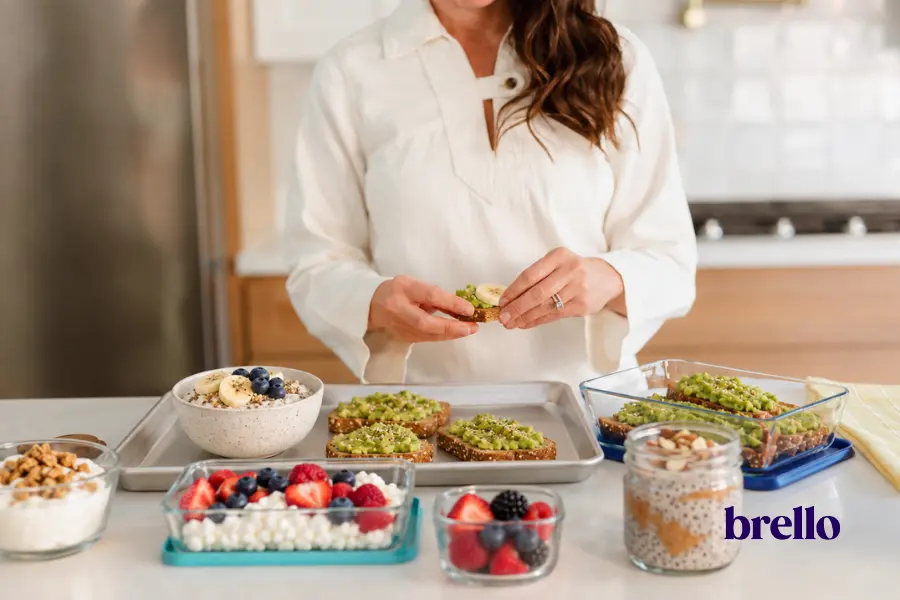
A plate with plenty of fiber, colorful produce, whole grains, and regular sources of omega-3s covers most of what consistent research on a healthy diet points to. Fatty fish. Walnuts. Flax.
The relationship piece
This is the part most rarely written about. Eating with awareness — neither restriction nor chaos — is itself a pattern. It’s the difference between a diet you’re on and a way of eating you live in.
Holistic nourishment isn’t about any particular diet. It’s a sustainable way of relating to food across the seasons of life.
How the Three Pillars Connect
The pillars aren’t independent silos. These healthy aging tips overlap and reinforce each other in ways that often surprise people building habits for the first time.
Sleep affects cellular cleanup and hormonal regulation and food cravings the next day.5,7,13 Physical activity supports cellular function and hormonal vitality and the body’s response to food.1,8 Stress regulation supports hormonal patterns and cellular health and eating patterns.7 None of these connections are absolute. They’re patterns researchers commonly discuss, with individual variation.
The practical implication: you don’t have to fix five things at once. Build one well, and the others tend to follow. A consistent walk after dinner may help you sleep a little better. Better sleep may steady your focus and energy the next day. Steadier days may make stress feel less heavy. That loops back to food choices and sleep again. The compounding is real even when each individual change feels small.
This kind of integration is also what researchers often discuss in connection with brain health, cognitive health, and brain function. The same lifestyle inputs that support the body tend to support a brain healthy daily life as well. They also come up in research on slowing patterns of cognitive decline associated with aging.
This is also why a comprehensive approach often outperforms a fragmented one. Working on one pillar in isolation can stall when the other pillars aren’t supporting it. Working on all three together — even in small ways — tends to be how the rhythms actually shift.
Building Your Own Three-Pillar Practice

A useful starting principle: don’t try to overhaul everything at once. Habit-formation research suggests that one consistent change beats five inconsistent ones almost every time.12
Pick the pillar that feels most accessible right now. For some people that’s food, because mealtimes are already in the day. For others it’s regular exercise, because they already have a brisk walking routine to build on. For others it’s sleep, because that’s where the most pain currently is. Start there. Build one habit consistently for a few weeks before adding more.
A simple weekly cadence to consider:
- One small habit from the cellular vitality pillar (a wind-down routine, an antioxidant-rich addition to a meal, a movement habit).
- One small habit from the hormonal vitality pillar (a strength session, a stress-regulation practice, a consistent bedtime).
- One small habit from the holistic nourishment pillar (protein at breakfast, slowing down at one meal a day, a Mediterranean-pattern dinner).
Three small things, done consistently, will move the needle further than ten ambitious things attempted at once. The point is the rhythm, not the perfection.
Spending time with loved ones weaves through all three pillars too. Staying connected with people who matter. Not letting yourself become socially isolated. Connection is one of the more consistent findings across longevity research.
For some people, lifestyle changes alone are enough. For others, the journey includes feeling tired of the guesswork and ready for real guidance — wanting more comprehensive support discussed with a healthcare provider. Healthy aging isn’t a single path. It’s the steady, considered building of the practice that fits your actual life. For more tips on any single pillar, the linked articles throughout this guide go deeper.
Explore a comprehensive approach with Brello
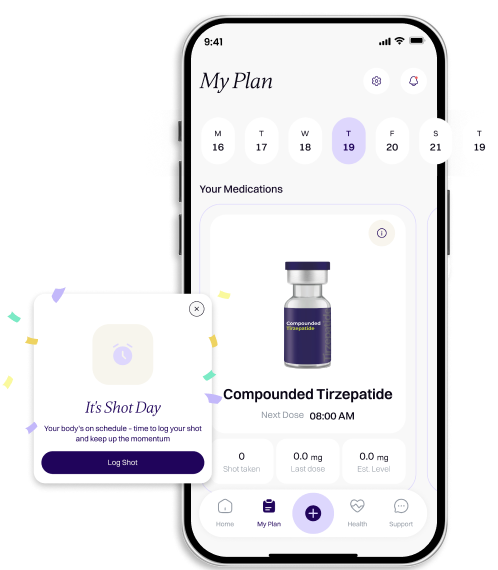
The Thrive Forward Longevity Lifestyle Plan is Brello’s wellness package. The path to membership is straightforward: submit an application, complete a provider review, and — if approved — your plan ships direct-to-door with ongoing support.

Step Into Thrive Forward with Brello
Frequently Asked Questions
When does healthy aging really begin?
Longevity research suggests that the daily habits built in the 30s, 40s, and 50s have meaningful long-term influence on how the body functions later. There’s no “too early” and no “too late.” Starting earlier may mean more compounding over time. Starting later still matters.
What’s the difference between lifespan and healthspan?
Lifespan is the total number of years lived. Healthspan is the number of years lived in good health and full function.² Most longevity research now focuses on healthspan. Most people care more about how well they live than just how long.
Is one pillar more important than the others?
Research consistently suggests the pillars are interconnected. The most important pillar to start with is whichever one you can build a sustainable practice around first. That becomes the anchor that makes the others feel more accessible.
Can lifestyle alone support healthy aging?
Lifestyle is foundational. For some people, lifestyle practices alone may be enough. For others, exploring more comprehensive forms of support is part of the journey. This is a conversation worth having with a healthcare provider who knows the full picture of your health. Regular check ups and any health screenings appropriate for your stage of life are part of the same conversation.
How does sleep affect all three pillars?
Sleep is one of the most cross-cutting inputs. Cellular cleanup processes happen primarily during sleep.⁵ Hormonal repair and regulation are tied to sleep architecture.⁷,¹³ The body’s hunger and satiety signals reset overnight.¹³ That affects eating patterns the next day.¹³ Poor sleep tends to ripple outward into all three pillars. Persistent issues — like suspected sleep apnea or insomnia — are worth raising with a primary care provider.
Do supplements help with healthy aging?
Research on individual longevity supplements is mixed. The most consistent finding across longevity research is that whole-foods eating patterns and consistent lifestyle habits do more than any specific supplement. For a deeper look at what the research shows, read our comprehensive guide to longevity supplements. For people with specific concerns or known nutrient gaps, a healthcare provider or registered dietitian can help evaluate what might be appropriate. The phrase “boost immunity” gets used loosely in supplement marketing. Research on the immune system points more consistently to sleep, food, and stress regulation than to any specific pill.
What about smoking and alcohol?
Both come up consistently in research on long-term health conditions. Quitting smoking — or even gradually working toward stop smoking goals — is one of the more impactful single changes a person can make at any age. Limiting too much alcohol is a similar conversation. Reducing frequency and quantity comes up in research on multiple long-term health benefits. Both are worth discussing with a healthcare provider as part of a broader plan.
How long does it take to see changes from a healthy aging practice?
Some changes show up in weeks. Energy. Sleep quality. A sense of steadiness. Others show up across months. Strength. Body composition. Recovery. The most meaningful resilience benefits build over years. The point isn’t speed. It’s the consistency of the rhythm being built.
What if I’m already in my 50s or 60s — am I too late?
No. Longevity research consistently shows benefits from lifestyle change at every age. The body’s response to consistent care doesn’t have an expiration date. Talk to your doctor about an approach that fits your current health. Start with the smallest version of the habit that feels doable.