Low impact cardio is any cardiovascular exercise that keeps at least one foot on the ground or supports your body weight, raising your heart rate while putting less strain on your joints [14]. Options include walking, cycling, swimming, rowing, and modified bodyweight moves like lateral lunges and low impact jacks. The American Heart Association recommends at least 150 minutes of moderate cardio per week [1].
You don’t have to go hard to get your heart pumping. That’s the whole point of low impact cardio — it supports your cardiovascular fitness and protects your joints at the same time [14].
Whether you’re working around bad knees, starting fresh, or just looking for movement that fits into a busy day, there are more options than you might think.
Here are nine low impact cardio workouts worth trying before summer — with form cues, routine ideas, and tips to help you stay consistent.
This is for informational purposes and isn’t medical advice.
What Is Low Impact Cardio — and Why Does It Matter?
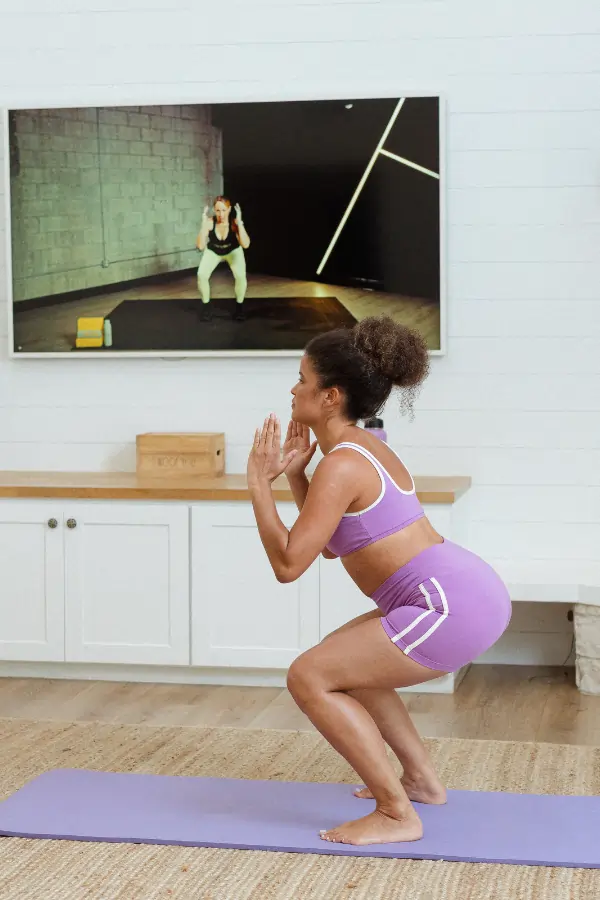
Low impact cardio is any exercise that raises your heart rate while keeping at least one foot on the ground or supporting your body weight [14]. It puts less strain on your joints than running or jumping, making it a comfortable starting point for beginners, returning exercisers, and anyone working around joint pain [8].
Cardiovascular fitness means how well your heart and lungs deliver oxygen during movement. Low impact cardio supports that without the jarring that comes with high impact moves like jumping jacks or mountain climbers [14].
The American Heart Association recommends at least 150 minutes of moderate cardiovascular exercise per week [1]. Low impact options can help you reach that number in a way that feels sustainable [4][5].
What Are the Benefits of Low Impact Cardio Workouts?
Low impact cardio can support heart health, help burn calories, and work different muscle groups — all while protecting your joints from the wear that comes with high impact movement [3][4]. These benefits make it a solid option whether you’re just getting started or easing back in after time away.
Heart Health and Cardiovascular Fitness
Consistent low impact movement may improve heart health over time [4][5]. The World Health Organization recommends regular physical activity to support cardiovascular fitness and reduce the risk of heart disease [2]. Walking, cycling, and swimming all count [3].
Calorie Burn and Working Different Muscle Groups
One common question: does low impact cardio even count? It does. Activities like rowing and cycling can support calorie burn while engaging your upper body, lower body, or entire body — depending on the movement [16].
Low impact doesn’t mean low effort [14]. It means less strain on your joints, not less work for your muscles.
Joint Protection and Less Strain
Low impact exercises reduce the pounding your ankles, knees, and hips absorb during movement [8]. That makes them a helpful option for people dealing with joint pain or anyone looking to protect joints over time [6].
This matters especially if you’re building a routine you want to stick with through the summer and beyond.
What Are 9 Low Impact Cardio Workouts to Try Before Summer?
These nine workouts cover equipment-free bodyweight moves and gym-based options. Each one works different muscle groups while keeping strain on your joints low. Most need no equipment at all.
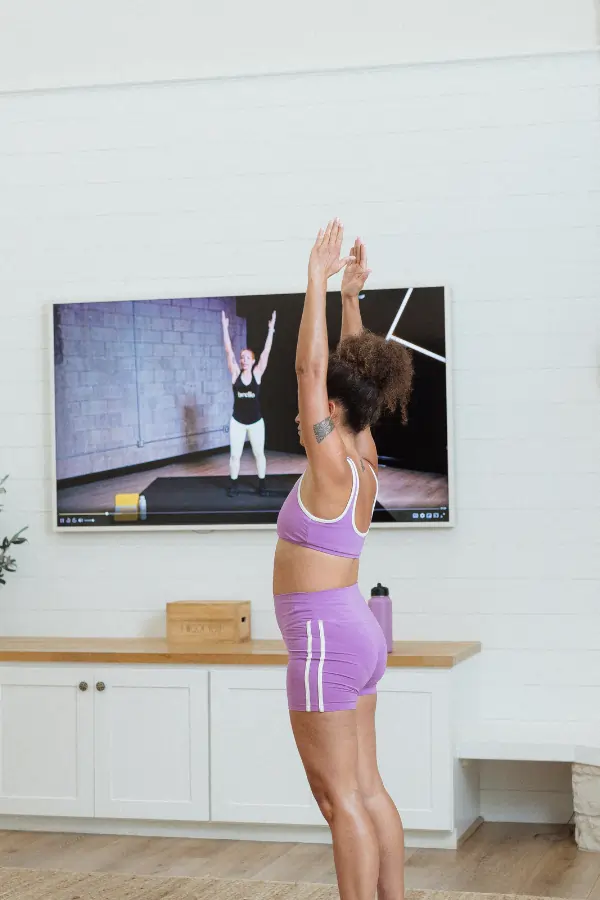
1 — Low Impact Jacks
A modified version of jumping jacks — step one foot out to the side instead of jumping, and bring your arms overhead. Return to your starting position and repeat on the opposite side. Keep your core engaged and your knees soft with a slight bend throughout.
2 — Lateral Lunge
Start with your feet hip width apart, toes pointing forward. Step one foot out to the side and bend that knee, keeping your chest lifted. Push back to your starting position and switch sides. This move targets your lower body and hip abductors.
3 — Standing Knee-to-Elbow
Stand tall with your hands behind your head. Bring your left knee up toward your right elbow, then return to standing. Continue alternating — right knee to left elbow, opposite side each time. Two movements combined, core engaged throughout.
4 — Modified Mountain Climbers
Start in a high plank position with your core engaged. Step your left foot forward toward your hands, then return it and step your right foot forward. Continue alternating at a steady pace. No jumping — just controlled steps.
5 — Calf Raise to Squat
Begin with your feet hip distance apart, toes pointing forward. Rise up onto your toes and fully extend, then lower your heels and drop into a squat with your knees bent and chest lifted. Stand and repeat.
6 — March in Place With Arms Overhead
Lift your left leg, then your right leg, alternating in a steady march. Raise your hands overhead with each step to get your heart pumping. This one works well as a warm-up or active recovery between harder moves.
7 — Swimming
Swimming supports your entire body while putting almost zero strain on your joints [6]. The water supports your body weight, making it one of the most joint-friendly cardio exercises available [6][8]. It may help build cardiovascular fitness and muscle endurance at the same time [7].
8 — Cycling or a Cycling Class
Cycling keeps your lower body working while your heart rate climbs — without impact on your knees or ankles [14]. You can ride outdoors, use a stationary bike at home, or try a cycling class at a local gym.
9 — Rowing Machines
Rowing is an entire body workout. It engages your upper body and lower body in one smooth motion from a seated position, which reduces joint strain [14]. Rowing machines are available at most gyms and can support cardiovascular fitness at any intensity level.
What Does a Beginner-Friendly Weekly Plan Look Like?
A simple weekly plan might include three to four days of low impact cardio mixed with one or two days of light movement or rest [1]. If you’re looking to add resistance work, strength training for women over 50 is a good companion guide. Starting with 10–20 minutes per session can build a steady routine without overwhelming your body [4].
| Day | Activity | Duration | Notes |
| Monday | March in place + low impact jacks | 15 min | Warm up first |
| Tuesday | Walk or light cycling | 20 min | Steady pace |
| Wednesday | Rest or gentle stretch | — | Recovery day |
| Thursday | Lateral lunges + calf raise to squat | 15 min | Core engaged |
| Friday | Swimming or rowing | 20 min | Full body |
| Saturday | Cycling class or outdoor ride | 20–30 min | Adjust to feel |
| Sunday | Rest | — | Recovery day |
Results vary. Adjust based on how your body feels each week. If walking feels like the right starting point, a beginner walking workout plan can help you build from there.
Brello shares educational information to support healthier routines — including movement, nutrition, and habit-building resources.
Built for Women.
Designed to Simplify
Can Low Impact Cardio Help With Bad Knees or Joint Pain?
Low impact cardio can be a helpful option for people dealing with joint pain or bad knees [6][7]. These exercises reduce the jarring that comes with high impact movement, which may support steady progress without adding strain [8]. Many people find them a more comfortable way to stay active.
Fear of pain is one of the most common reasons people avoid exercise altogether [9]. The worry that movement may make things worse often leads to no movement at all [10].
Low impact cardio can help rebuild movement confidence [15]. Walking, cycling, and swimming lower the threat level enough to make starting feel possible [7].
The hardest part is often starting — not the exercise itself.
How Do You Stay Consistent With Low Impact Cardio?
Consistency often comes down to removing friction rather than finding more motivation [17]. Attaching a short workout to an existing habit — like walking after morning coffee — can make movement feel like part of your day instead of an interruption [17].
Routine Stacking and Small Wins
Try pairing your workout with something you already do. Walk after lunch. Cycle after work. March in place while the coffee brews.
Ten minutes counts. Small steps build the kind of routine that sticks [17]. For more on how to build healthy habits that last, start with the basics.
What to Do When Motivation Drops
Shorten the session instead of skipping it. Five minutes of movement is better than none [4].
Switch exercises to keep things interesting — try different muscle groups or a new format. A quick text to a friend or a simple weekly check-in can add just enough accountability to keep you going.
Signs You May Be Ready to Add More
- Your current routine feels comfortable most days
- You finish sessions without feeling drained
- You’ve been consistent for two or more weeks
- You find yourself wanting to try something new
Progress looks different for everyone. There’s no rush. Curious about how long it takes? Here’s what the research says about how long it takes to form a habit.
How Does Movement Support Your Bigger Wellness Picture?
Low impact cardio can support more than cardiovascular fitness [2]. Regular movement may improve sleep quality, help manage daily stress, and pair well with steady nutrition habits to support a more balanced routine overall [12][13].
Movement and Sleep
Regular low impact cardio may support better sleep patterns over time [11]. Some people find that morning movement helps, while others prefer an afternoon session [18]. Either can work — it’s about what fits your routine.
Fueling Your Routine
Consistent meals can support consistent movement [19]. Staying hydrated and eating regularly throughout the day may help you feel more prepared for your workouts.
No complicated plans needed. Food-first, routine-first.
Stress and Mindset
Movement can be a helpful tool for managing daily stress — not a cure, but a support [2][20]. Even a short walk may shift your mood on a tough day [20].
Progress over perfection. That’s the frame that tends to stick.
Low Impact vs. High Impact Cardio — What’s the Difference?
The main difference is joint stress [14]. High impact cardio — like running and jumping jacks — involves both feet leaving the ground, which increases force on your joints [14]. Low impact cardio keeps at least one foot grounded or supports your body weight, making it a lower-risk starting point for many people [8].
Low impact does not mean low intensity [14]. A rowing session or cycling class can send your heart rate up without any jumping at all.
If you’re working around joint pain, bad knees, or returning after time off, low impact cardio may be the more comfortable place to start [6][7].

Take The
First Step
with Brello
Final Thoughts
Low impact cardio doesn’t have to be complicated. A short walk, a few lateral lunges, or ten minutes on a bike can be enough to build a routine that fits your life.
The goal isn’t perfection — it’s showing up often enough that movement starts to feel like part of your day. Some weeks that might mean five sessions. Other weeks, two. Both count.
Start with whatever feels manageable. Adjust as you go. Steady progress adds up, and there’s no wrong place to begin.
Frequently Asked Questions About Low Impact Cardio
Is 10 minutes of low impact cardio enough?
Ten minutes can be a helpful starting point [4]. Short sessions may build consistency over time. As your routine develops, you can gradually add more when it feels right.
Can low impact cardio burn calories?
Yes. Cycling, rowing, and brisk walking can all support calorie burn [16]. The amount varies based on intensity, duration, and individual factors.
Is low impact cardio good for bad knees?
It can be. Low impact exercises put less strain on knee joints compared to running or jumping [6][8]. Swimming and cycling are common options for people with knee concerns [7].
How many days a week should you do low impact cardio?
Three to five days is a common range. The American Heart Association suggests at least 150 minutes of moderate cardio per week, spread across several sessions [1].
What’s the difference between low impact and low intensity?
Low impact refers to joint stress — at least one foot stays on the ground [14]. Low intensity refers to effort level. A low impact workout can still be high intensity [14].