TL;DR GLP-1 freezer meals are batch-cooked meals built around a protein food, vegetables, and a fiber-rich carb, then frozen in single servings. Soups, chili, meatballs, and egg bites tend to freeze well. Cool food within two hours, keep the freezer at 0°F, and reheat leftovers to 165°F.
When most people hear “freezer meals,” they picture a stack of boxes from the grocery store.
But some of the most useful freezer meals are the ones you make yourself.
Freezer meals for a GLP-1 routine usually start with a protein food, add vegetables and a fiber-rich carb, and get frozen in single servings. One meal prep session can cover several future lunches and dinners.
Cook once, freeze small, and reheat when you’re ready. Below, you’ll find meal ideas that hold up in the freezer, simple ways to store and reheat them safely, and what to check on store-bought backups.
What are GLP-1 freezer meals?
GLP-1 freezer meals are batch-cooked meals built around a protein food, vegetables, and a fiber-rich carb, frozen in portions you usually finish. There’s no special recipe behind them. They’re meals that hold up in the freezer, reheat well, and take one decision off a busy night.
“GLP-1 friendly” describes an eating pattern many people prefer. It isn’t a medical category or a set of rules.
The simple build: protein, plants, and a portion that fits
Most freezer-friendly meals follow the same pattern: a protein food, one or two vegetables, a fiber-rich carb, and a sauce or seasoning. That lines up with general nutrition guidance to fill your plate with a mix of protein foods, vegetables, and whole grains1.
Use this build as a starting point:
- A protein food: chicken, turkey, lean beef, eggs, beans, lentils, or tofu. Here’s more on building protein into a GLP-1 routine.
- Vegetables: peppers, onions, spinach, zucchini, carrots, or frozen mixed vegetables.
- A fiber-rich carb: brown rice, quinoa, sweet potato, oats, or whole-grain tortillas2.
- A sauce or seasoning: marinara, salsa, broth, or a pinch of Italian seasoning.
Built this way, GLP-1 freezer meals are simply real food, portioned ahead.
What are some GLP-1 freezer meals to try?
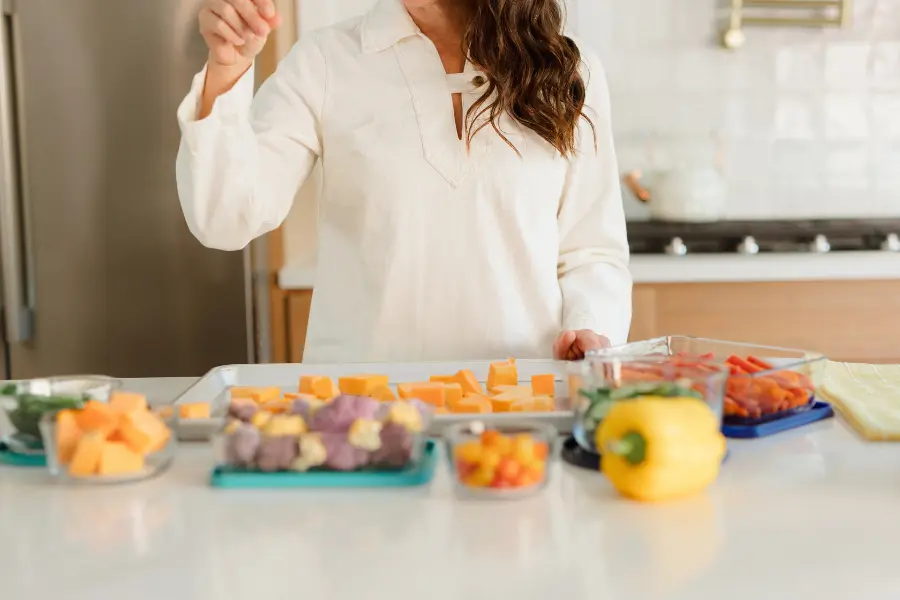
Soups, chili, stews, meatballs, egg bites, burritos, and cooked proteins and grains tend to freeze and reheat well. Freeze them in single servings. Keep crisp raw vegetables, creamy dressings, and crunchy toppings fresh, and add them after reheating3. That one habit protects the texture of almost every freezer meal.
The ideas below are grouped by meal, with a short note on how each one freezes.
Breakfasts to batch
Egg bites, breakfast burritos, and baked oatmeal squares freeze in single servings and reheat in a few minutes. They’re a steady way to start the day without cooking every morning. For more morning options, try these high-protein breakfast ideas.
- Veggie egg bites: Whisk eggs with spinach, peppers, and a little cheese, then bake in a muffin tin. Cool, then freeze in a bag.
- Black bean breakfast burritos: Fill whole-grain tortillas with scrambled eggs, black beans, and peppers. Wrap each one before freezing.
- Baked oatmeal squares: Bake oats with milk, egg, and berries in a pan, then cut into squares. Freeze with parchment between layers.
Soups, stews, and chili
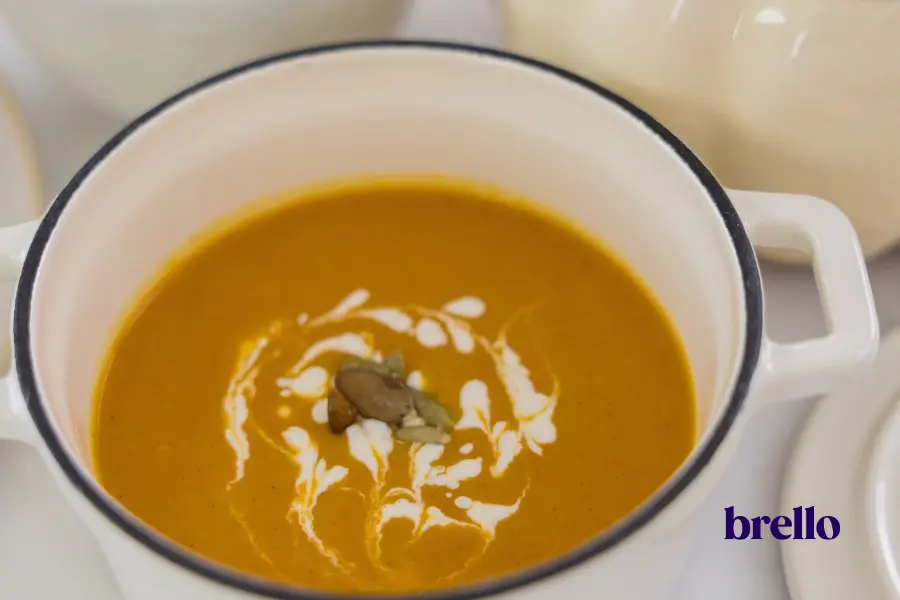
Broth-based soups, bean chilis, and stews are some of the most reliable freezer meals. They reheat evenly, hold their texture, and portion neatly into containers.
- Turkey and white bean chili: Ground turkey, white beans, tomatoes, and mild green chiles. Freeze in 1- to 2-cup containers.
- Lentil and vegetable soup: Lentils, carrots, celery, and spinach in broth. It thickens in the freezer, so add a splash of water when reheating.
- Chicken tortilla soup base: Chicken, beans, corn, and tomatoes in broth. Freeze the base and add tortilla strips and avocado fresh.
Mains that reheat well
Meatballs in sauce, sheet-pan fillings, and rice-and-vegetable skillets reheat well because the moisture keeps them from drying out. Sauce is your friend in the freezer. Many of these mains also double as make-ahead lunch ideas.
- Small turkey meatballs in marinara: Bake small meatballs with Italian seasoning, then freeze them in sauce.
- Sheet-pan chicken fajita filling: Roast sliced chicken, peppers, and onions on one sheet pan. Freeze in portions and add fresh toppings later.
- Turkey, vegetable, and brown rice skillet: Cook everything in one pan with tomatoes or broth so the rice stays moist.
Components to mix and match
Freezing a protein, a grain, and a vegetable separately lets you build different plates through the week from one batch. It’s a simple way to avoid eating the same dinner four nights in a row.
Try this mix-and-match template:
- Pick a protein: shredded chicken, meatballs, or seasoned lentils.
- Add a grain or starchy vegetable: roasted sweet potato, or brown rice or quinoa in half-cup portions. Plain cooked rice can turn mushy when frozen on its own, so grains often hold up better mixed into a soup, skillet, or sauce3.
- Add a vegetable: roasted broccoli, peppers, or a bag of frozen vegetables.
- Finish with a sauce: salsa, marinara, or pesto, plus anything fresh.
Monday might be a burrito bowl. Wednesday might be the same chicken over pasta with marinara.
Snacks and smoothie packs
Pre-portioned smoothie packs and mini egg bites are small, freezer-ready options for between meals. They take a few minutes to prepare on a batch day.
- Smoothie packs: Bag berries, sliced banana, and a handful of spinach. Blend from frozen with milk or Greek yogurt.
- Mini egg bites: Bake in a mini muffin tin for smaller portions.
- Fresh add-ins: Creamy dairy foods like sour cream can separate after thawing3, so many people keep Greek yogurt and cottage cheese in the fridge as fresh add-ins.
Freezes well, add fresh later, or skip?
Some foods lose their texture in the freezer. This table shows what to freeze, what to add fresh after reheating, and what to skip. The “skip” column is about quality, not safety3,4.
| Freezes well | Add fresh after reheating | Skip freezing |
|---|---|---|
| Broth-based soups, chili, and stews | Lettuce, cucumber, and other raw salad vegetables | Hard-cooked eggs |
| Cooked ground meat and meatballs in sauce | Avocado and fresh herbs | Egg, chicken, tuna, or macaroni salads |
| Shredded or cooked chicken | Tortilla strips and other crunchy toppings | Boiled or baked potato chunks |
| Cooked beans and lentils | Sour cream and creamy dressings | Cheese or crumb toppings |
| Egg bites and breakfast burritos | Greek yogurt and cottage cheese | Cream or milk-based sauces |
| Berries and bananas for smoothies |
How do you freeze, thaw, and reheat batch meals safely?
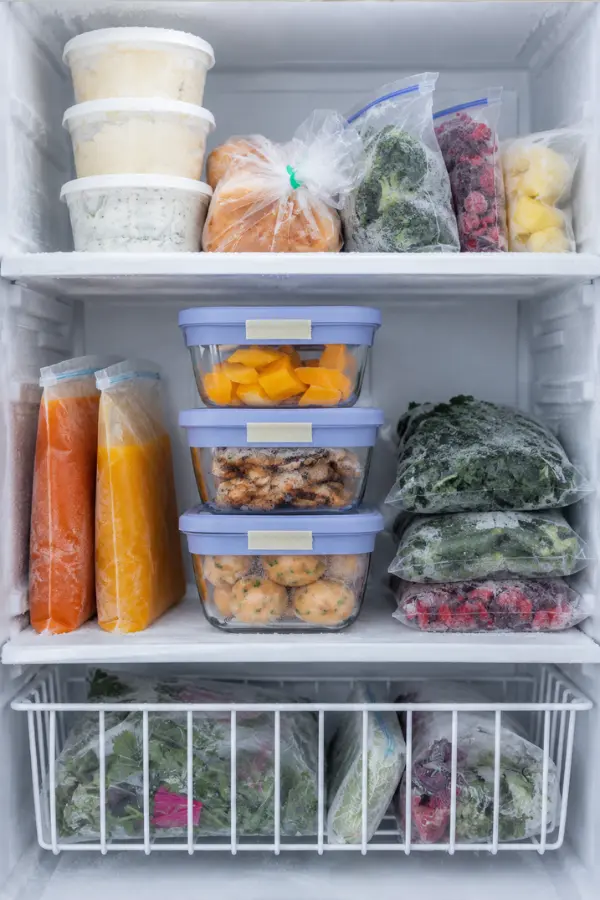
Get cooked food into shallow containers and into the fridge or freezer within 2 hours5. Keep the freezer at 0°F and label each portion6,7. Thaw in the fridge, in cold water, or in the microwave, never on the counter, and reheat leftovers to 165°F5,8. At 0°F, frozen food stays safe, but quality fades over time6.
Those rules come from USDA food-safety guidance. They’re simple, and they matter just as much as the recipes.
Cool it down and portion it small
Divide a big batch into shallow containers so it cools evenly, and refrigerate or freeze it within 2 hours of cooking5. Leftovers kept in the fridge should be eaten or frozen within 3 to 4 days5.
- Split a large pot of soup into several small containers instead of cooling it whole.
- Hot food can go straight into the refrigerator.
- If a dish sits out longer than 2 hours, freezing it won’t make it safe again5.
Freeze at 0°F and label every container
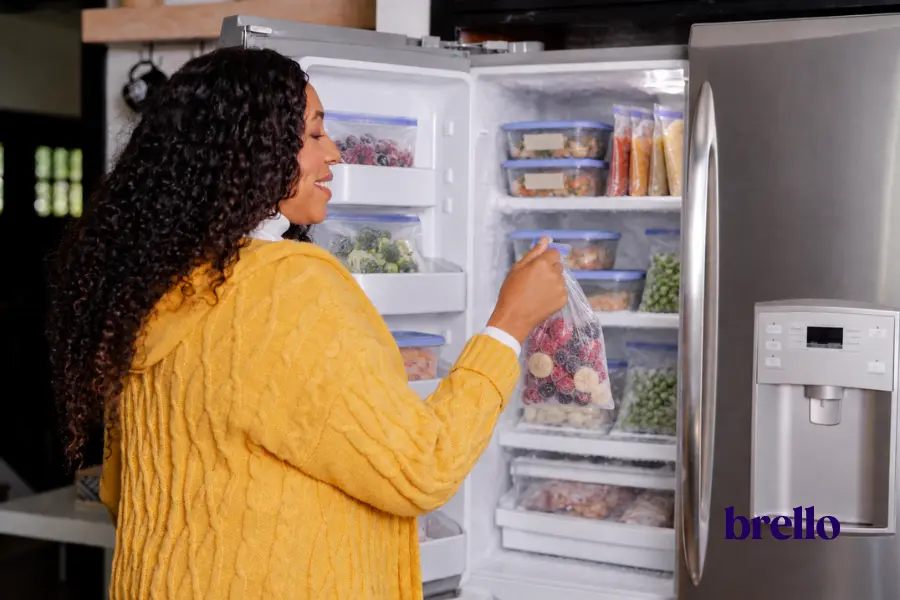
A freezer set to 0°F or below keeps food safe for as long as it stays frozen6. Labels keep the freezer organized and help you use older portions first.
Write three things on each container: what it is, the date, and the number of servings7. Leave a little space at the top of containers holding soup or sauce, since liquids expand as they freeze. Freezer burn looks dry and discolored, but it affects taste and texture, not safety6.
Thaw the safe way
Thaw frozen meals in the refrigerator, in cold water, or in the microwave. Don’t thaw perishable food on the counter, where the outer layer can warm up while the center stays frozen8.
- Refrigerator: Move tomorrow’s lunch from the freezer to the fridge tonight.
- Cold water: Seal the meal in a leakproof bag and submerge it. Change the water every 30 minutes.
- Microwave: Use the defrost setting, then finish heating it right away8.
Soups, stews, and casseroles can also go straight from the freezer to the stove or microwave5. They just take a little longer to heat5.
Reheat until it’s hot all the way through
Reheat leftovers to 165°F, checked with a food thermometer in the center of the dish5. Bring soups and sauces to a rolling boil5.
In the microwave, cover the dish, stir or rotate it partway through, and let it stand for a minute. Skip the slow cooker for reheating, since it can warm food too slowly9.
How long do freezer meals keep their best quality?
Frozen food stays safe indefinitely at 0°F, but flavor and texture fade over time. These timelines from FoodSafety.gov are for best quality4.
| Food | Best quality in the freezer |
|---|---|
| Soups and stews | 2 to 3 months |
| Cooked meat or poultry leftovers | 2 to 6 months |
| Baked egg dishes, like egg bites or egg casseroles | 2 to 3 months |
| Egg, chicken, tuna, or macaroni salad | Doesn’t freeze well |
| Hard-cooked eggs | Don’t freeze |
How do you portion GLP-1 freezer meals into smaller servings?
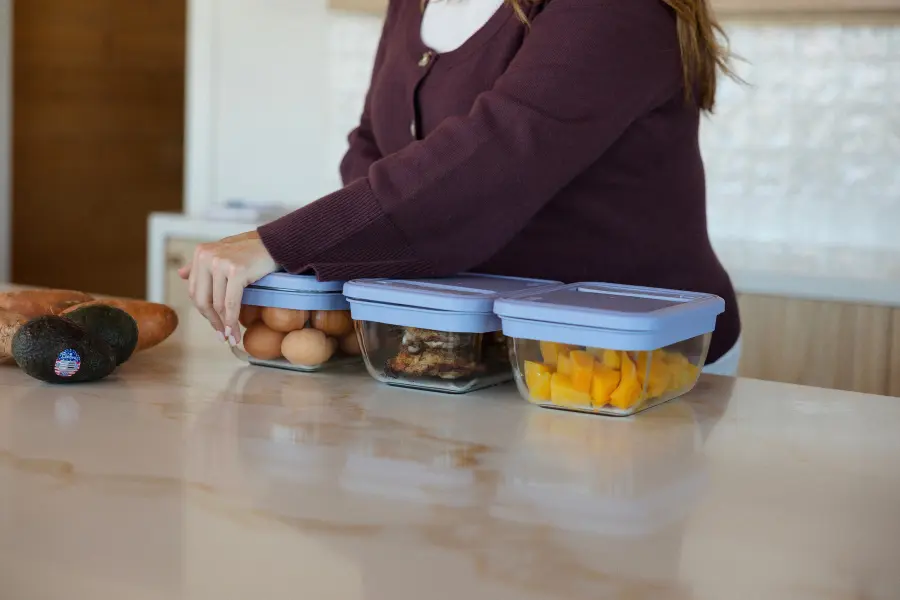
Split each batch into single servings in small freezer-safe containers or flat bags, sized to what you usually finish. Adjust the next batch based on what actually gets eaten, so less goes to waste. Smaller, flatter portions also thaw sooner than one large block7, and give you more choice when you open the freezer.
Containers that make it simple
Small, freezer-safe containers or flat-frozen bags make single servings simple to stack, thaw, and reheat. A few options:
- 1- to 2-cup containers for soups, chili, and skillet meals.
- Silicone muffin trays for egg bites or soup “pucks” you can pop out and bag.
- Freezer bags frozen flat on a tray, then stacked upright like files once solid7.
One batch, different portion sizes
You can cook one family recipe, serve everyone dinner, and freeze what’s left in single portions for later. There’s no need for a separate pot.
Many people find their portion sizes don’t match the rest of the household. Dish up family servings first, then portion the rest into small containers. Toppings and sides on the table let everyone build a plate they like.
Are store-bought “GLP-1 friendly” frozen meals worth it?
Store-bought frozen meals can be a handy backup. A “GLP-1 friendly” badge describes how a brand is positioning the meal, not what’s inside it. The Nutrition Facts panel and ingredient list tell you more than the badge does10. Compare serving size, protein, fiber, and sodium the way you would with any frozen meal.
What the label does — and doesn’t — tell you
The badge tells you a brand is aiming at shoppers following a GLP-1 routine. For what’s actually in the box, look at the Nutrition Facts panel, which lists the serving size and each nutrient’s % Daily Value10.
Fiber and sodium can vary a lot from one box to the next10.
A 5-point label checklist
Check five things before a frozen meal goes in your cart:
- Serving size: Is the box one serving or two?
- Protein source: Look for a recognizable protein food, like chicken, beans, or eggs.
- Fiber: Compare boxes, since some have far more than others.
- Sodium: Use the % Daily Value. 5% or less is considered low, and 20% or more is high10.
- Ingredient list: Look for foods you recognize near the top.
Homemade and store-bought can work together
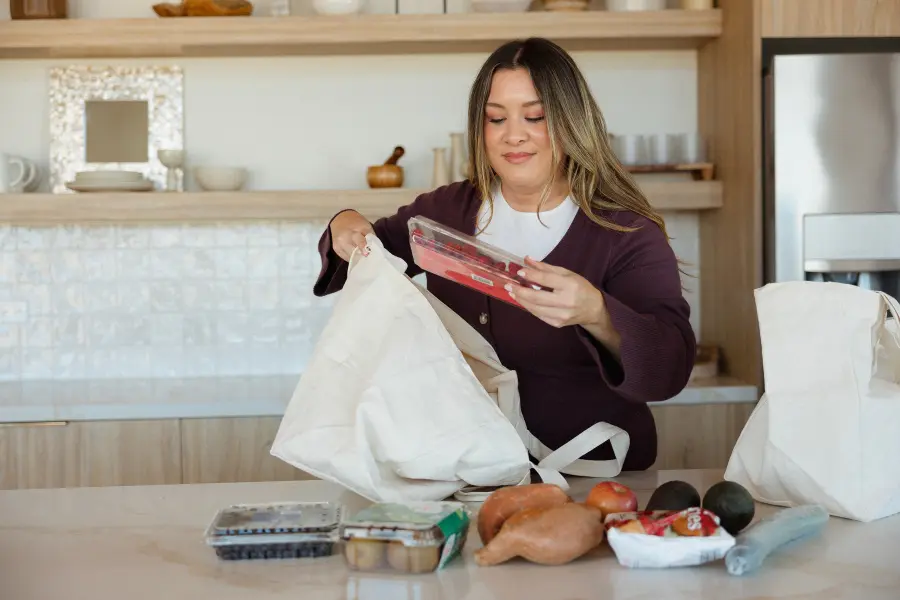
A few store-bought meals can cover the nights your batch runs out. Keep two or three boxes you like as backups.
There’s no rule that one approach is better. Many people use both, depending on the week.
How can you plan a meal prep day without burning out?
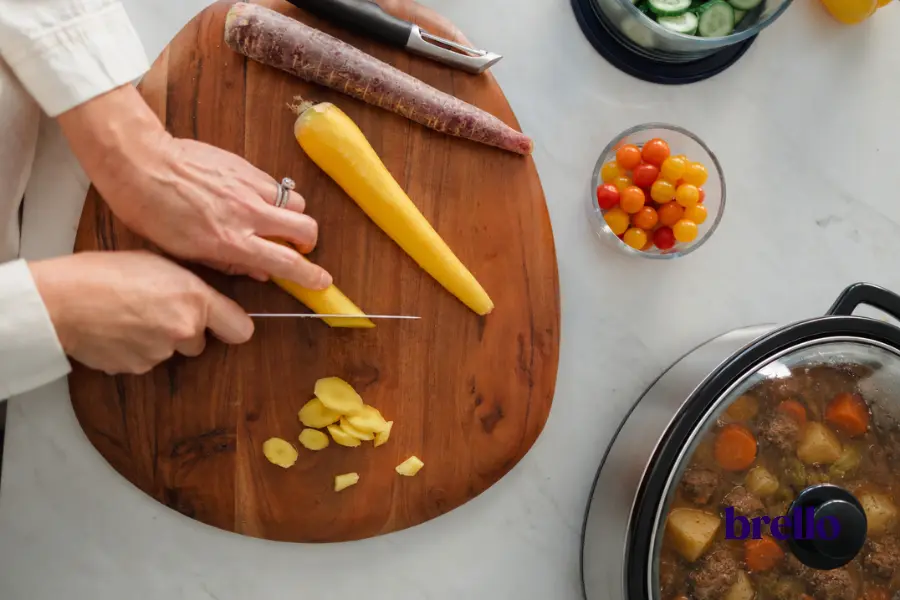
Start small. Choose two or three recipes you already like, cook them in one block of an hour or two, and freeze most of it in single servings. Pick dishes that share ingredients or oven time. A short rotation you enjoy is simpler to keep going than a freezer full of one meal.
A sample 90-minute batch plan
Here’s one way to cook three freezer meals in about 90 minutes, using the oven and stovetop at the same time. Your timing may look different, and that’s fine.
- Oven on (0–10 min): Preheat and line two sheet pans. Slice chicken, peppers, and onions for fajita filling.
- Sheet pans in (10–35 min): Roast the fajita filling on one pan and small turkey meatballs on the other.
- Stovetop (15–50 min): Simmer turkey and white bean chili while the pans roast.
- Egg bites (35–60 min): Whisk eggs and vegetables, then bake in a muffin tin.
- Cool and portion (60–90 min): Spread food into shallow containers, portion single servings, and label everything.
Shopping list for this plan:
- Chicken breast, ground turkey, and eggs
- Peppers, onions, spinach, and a bag of frozen vegetables
- White beans, canned tomatoes, and broth
- Marinara, salsa, and Italian seasoning
- Brown rice or quinoa, plus whole-grain tortillas
Test one serving and rotate
Reheat one portion of a new recipe before you make a big batch. If the texture or flavor doesn’t hold up, you’ve only lost one meal.
Once you find two or three favorites, rotate them. Changing the sauce or seasoning can make a familiar base feel new, and a Mediterranean-style meal prep week is one way to mix it up.
On low-energy days, assemble instead of cook
When cooking feels like too much, or decision fatigue is running high, assembling a plate from frozen components and a few fresh add-ins still counts. Warm a portion of chicken and rice, then top it with salsa and a handful of greens.
Some weeks, a full batch day won’t happen. Your routine can change as your needs and schedule change.

Take The
First Step
with Brello
Final Thoughts
A stocked freezer isn’t about getting every meal right. It’s about giving your future self a few good options on the nights you need them most.
This week, try one small batch: make a pot of soup or chili, portion it into single servings, and label each container before it goes in the freezer.
Some weeks may mean a full shelf, and others may lean on a store-bought backup. Both can be part of a routine that fits your real life.
Frequently Asked Questions
How long do homemade freezer meals last?
At 0°F, frozen meals stay safe indefinitely, but quality fades. For best flavor and texture, FoodSafety.gov suggests about 2 to 3 months for soups and stews and 2 to 6 months for cooked meat or poultry leftovers4. Label each container with the date so older portions get used first.
Can you reheat freezer meals without thawing them first?
Yes. Soups, stews, casseroles, and other cooked leftovers can go straight from the freezer to the stove or microwave. They take longer to heat, so check that the center reaches 165°F5.
Is it safe to thaw frozen meals on the counter?
No. Perishable food shouldn’t be thawed at room temperature. Thaw it in the refrigerator, in cold water that’s changed every 30 minutes, or in the microwave8.
Can you refreeze a meal after it thaws?
If it thawed in the refrigerator, you can refreeze it, though the texture may suffer. Meals thawed in cold water or the microwave should be cooked or eaten right away5,8.
What does “GLP-1 friendly” mean on a frozen meal?
It’s a label some brands put on certain frozen meals to show they’re aimed at people following a GLP-1 routine. The badge alone doesn’t tell you what’s inside, so the Nutrition Facts panel and ingredient list are a more reliable guide10.
Can you freeze Greek yogurt or cottage cheese?
You can, but creamy dairy foods may separate or turn watery after thawing3. They tend to work better as fresh add-ins, like a spoonful on chili or blended into a smoothie from the fridge.