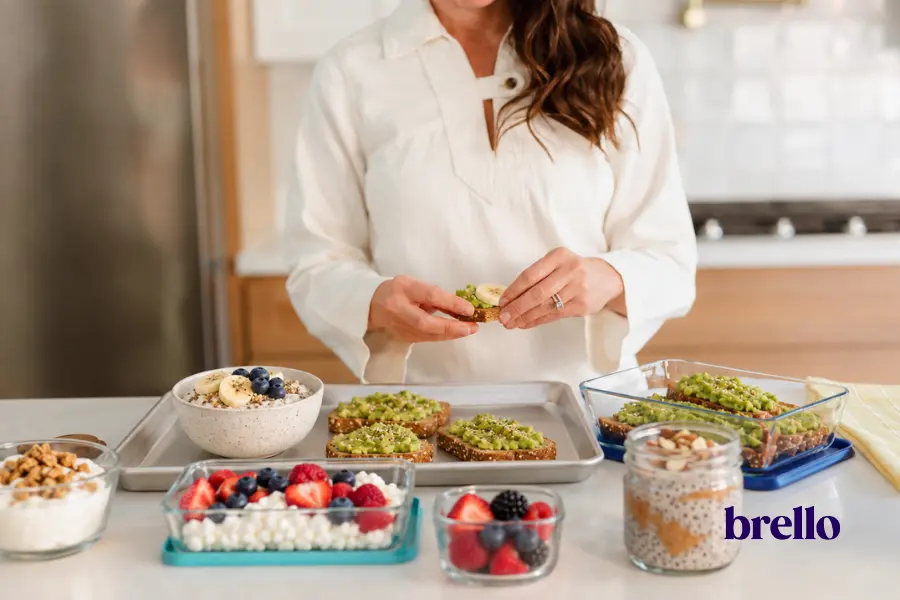
Mediterranean diet meal prep is a simple weekly system where you batch a few staples—whole grains, beans, roasted vegetables, lean protein, and an olive oil–based dressing—then mix and match them into quick meals.[1],[2] A practical target is a 2-hour prep block that supports a 7-day Mediterranean meal plan with a repeatable grocery list.[3]
Mediterranean Diet Meal Prep is less about perfect recipes and more about having a calm plan when your week gets loud.[3] If you’ve ever opened the fridge on Monday night and thought, “Wait… what am I even making this week?” you’re not alone.[4]
The helpful part is not doing more. It’s doing a few things on purpose—so lunches, dinners, and snacks come together with less guessing.[3],[4] We’ll keep this educational and process-first, with simple considerations you can adjust to your budget, schedule, and preferences.[3]
You’ll learn a weekly prep blueprint, a grocery list method, and a few easy swaps to keep meals interesting.[3] This is for informational purposes and isn’t medical advice.
What is Mediterranean diet meal prep, really?
Mediterranean diet meal prep is a weekly routine where you prep flexible staples once, then combine them into quick meals all week.[1],[3] It often centers plant based foods, whole grains, and olive oil, with simple proteins as needed.[1],[2] The goal is less weekday guessing and more “open the fridge, assemble, enjoy.”[3],[4]
Think of it as kitchen confidence in a bowl. You’re building a rhythm, not chasing perfection. Your meals can look different every day, even if your prep stays simple.
What makes a meal “Mediterranean-style” (without strict rules)?
A Mediterranean style diet usually emphasizes plant based foods, whole grains, beans, and healthy fats like olive oil.[1],[2] Many versions include fresh fruits and plenty of vegetables.[1],[2] Lean protein can show up too.[1] It’s more about patterns than rules, and it can flex with your palate.[1],[2]
The Mediterranean lifestyle is rooted in enjoyment. Meals tend to be colorful and shared when possible.[2] If you want a quick history note, this style of eating comes from countries surrounding the Mediterranean sea, where seasonal foods and simple cooking are common.[2]
Why meal prep helps when your week gets loud
Meal prep helps because it reduces decision fatigue. You make a few smart choices once, then reuse them.[3],[4] That can make a new eating plan feel easy to follow.[3],[5] It also makes “What’s for lunch?” a calmer question.[3],[4]
This is “prep, don’t stress.” Chop once, eat twice. Trust your palate. Let your fridge do some of the work.
Who is this weekly system for, and what should you expect?
This weekly system may fit people who want a calm, easy to follow eating plan that works with real life.[3] It can support busy schedules, family meals, and tighter grocery routines.[3],[6] You can expect structure and flexibility, not a strict diet meal plan that locks you into one way of eating.[3],[5]
If you like a little routine, this can be your friend. If you hate rigid rules, even better. This style of nourishment tends to reward consistency, not perfection.[1],[2]
If you’re cooking for a family, what should you prioritize?
Family meal prep often works best with familiar formats. Think bowls, trays, wraps, and a simple side salad.[3] Keep a few “always wins” on hand, like whole grain bread, sweet potatoes, and mixed greens.[1],[2] Those pieces can slide into many meals.
Flavor matters for buy-in. Use herbs, lemon, and a drizzle of olive oil.[1],[2] You can keep it approachable and still Mediterranean-style.
If you’re short on time, what’s the minimum prep that still helps?
Minimum prep can be just two things: one whole grain and one big vegetable roast.[3] Add a quick protein option if you like.[1],[2] Then rely on simple recipes that assemble fast, like Greek salad-style plates or grain bowls with roasted chickpeas.
Small prep counts. A little structure can carry a whole week.
What should be on your food list for a Mediterranean diet meal plan?
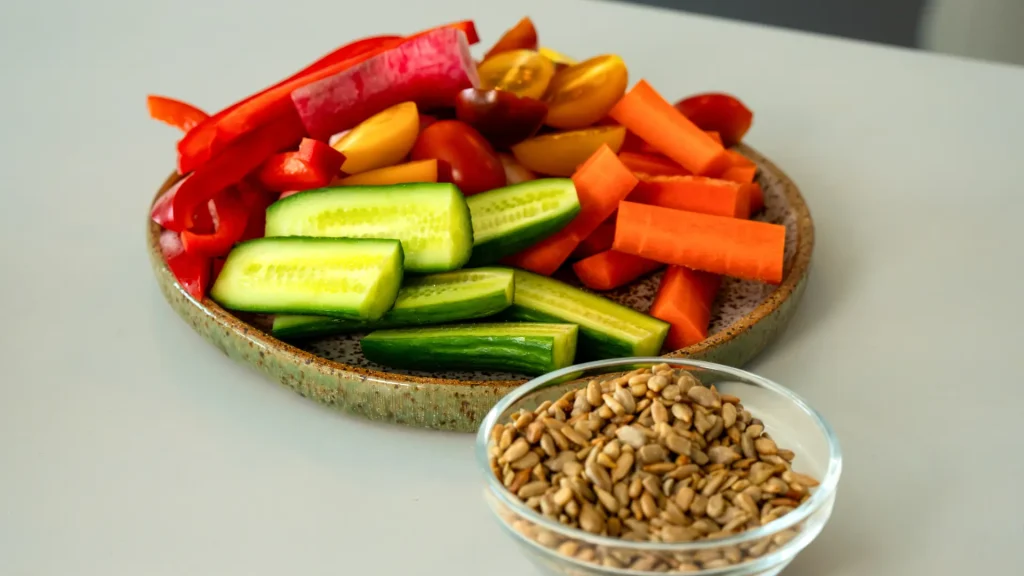
A Mediterranean diet meal plan often emphasizes plant based foods, whole grains, beans, olive oil, and fresh fruits, with lean protein added as needed.[1],[2] Many people also choose to crowd out heavily processed foods, refined grains, and sugary beverages over time.[1],[2] Think “mix and match staples,” not “new recipes every day.”[3]
A good food list is short and repeatable. It should feel like a friendly grocery cart, not a test. If you can reuse ingredients in three meals, that’s a win.
Mediterranean diet pyramid basics (what to eat plenty of vs less often)
The mediterranean diet pyramid is often used as a visual guide for balance.[2] It typically shows lots of vegetables, beans, and whole grains, plus healthy fats like olive oil.[2] Many versions suggest a moderate amount of animal foods, with red meat less often.[1],[2] It’s a “eat plenty of” foundation with flexible layers.[2]
If you like simple language, try this: add more color, add more crunch, add more plants. You may crowd out added sugar and refined carbs naturally.[1],[2]
Whole grains to batch (brown rice, whole grain toast, sourdough bread)
Whole grains are your calm base for meal prep.[1],[2] Brown rice is easy to batch and reheat.[5] Whole grain toast can turn into quick breakfasts.[5] Sourdough bread can be a comfort option for some people, depending on preferences.[5] The point is having a steady base you can build on.
If you’re comparing options, refined grains like white bread and white rice are common swaps people mention.[1],[2] You can choose what fits your routine. Whole foods can still include convenience.
How do you plan your week with meal plans that feel doable?
Doable meal plans start with overlap. Pick a few meals that share ingredients, then shop once and prep once.[3] A simple plan works best when it reduces choices on busy nights.[3],[4] The goal is fewer decisions, not more cooking, and a week that feels supportive instead of strict.[3] If you are also thinking about how meal structure fits into a broader routine, you can read our article on intermittent fasting for sustainable weight loss.
Start small. You can plan three lunches and let dinners be more flexible. You can also repeat meals. Repetition is not failure. It’s a strategy.
The “pick 3” method: 3 breakfasts, 3 lunches, 3 dinners
The “pick 3” method keeps planning light. Choose three breakfasts, three lunches, and three dinners you enjoy meals from.[3] Repeat them or rotate them. This can make a Mediterranean meal plan feel realistic, not overwhelming.[3],[5]
Examples of easy anchors: Greek yogurt bowls, a hearty salad, and a warm grain bowl. Then let snacks be simple and joyful. If breakfast is the hardest meal to plan, these high-protein breakfast ideas can give you more easy options to rotate through the week.
A grocery list method that reduces waste
A grocery list works best when it’s built around staples.[3] Choose two leafy greens, two “crunchy veg” items, and two fruits.[3] Add a grain, a bean, and one protein option.[3] Finish with olive oil, balsamic vinegar, and a few spices.[1],[2]
This approach can reduce the sad “wilted greens” moment. It also keeps cherry tomatoes and other quick add-ins working hard all week.
What is a simple Mediterranean diet meal prep blueprint (2 hours)?
A simple Mediterranean diet meal prep blueprint is a two-hour rhythm built around five building blocks: one whole grain, one bean, one tray of roasted vegetables, one lean protein, and one dressing.[1],[2] With those ready, you can assemble bowls, salads, and warm plates in minutes.[3] It’s a process-first system that keeps meals flexible.[3]
This is the part where you build abundance. You’re not restricting. You’re stocking your fridge with options. More color, more crunch, more comfort.
Blueprint component 1: Whole grains (brown rice and other options)
Whole grains are the sturdy base that makes meal prep feel “done.”[1],[2] Brown rice is a classic because it reheats well and pairs with almost anything.[5] You can also use other whole grains that you enjoy.[1],[2] The goal is one pot that becomes multiple meals.
If you’re trying to crowd out refined carbs, this is a gentle place to start.[1],[2] You can keep it simple and still satisfying.
Blueprint component 2: Beans (cannellini beans and white beans)
Beans are a Mediterranean-style powerhouse for easy meals.[1],[2] Cannellini beans and other white beans blend into salads, soups, and bowls.[1],[2] They also play well with lemon, herbs, and olive oil.[1],[2] One batch can cover several lunches.
If beans feel boring, here’s the Flavor Fix: warm them with garlic and red pepper flakes. Add chopped cherry tomatoes on top.
Blueprint component 3: Roasted vegetables (sweet potatoes, cherry tomatoes)
Roasted vegetables add comfort and color fast.[1],[2] Sweet potatoes bring a cozy, mellow sweetness. Cherry tomatoes can roast into juicy bursts. Add onions, peppers, or zucchini if you like. A single sheet pan can become bowls, side salad toppers, or warm plates.
This is where your kitchen starts to smell like nourishment. That matters. Food is connection and joy, not a math problem.
Blueprint component 4: Lean protein (and lean cuts)
Lean protein can make meals feel more balanced for some people.[1],[2] Options vary by preference, culture, and budget. You might choose poultry, fish, eggs, or a plant-forward option like roasted chickpeas.[1],[2] The goal is one simple prep that mixes easily into bowls and salads.
If you use animal proteins, some people prefer lean cuts.[1] Keep it uncomplicated. Season well. Cook once, use twice.
Blueprint component 5: Dressing with extra virgin olive oil
Extra virgin olive oil is a common Mediterranean staple, and it shines in dressings.[1],[2] A simple mix of olive oil, balsamic vinegar, lemon, and herbs can wake up any bowl.[1],[2] Add red pepper flakes if you like a little sparkle. One jar can support a whole week of meals.
This is your “Flavor Fix” in a bottle. A good dressing makes leftovers feel new.
What should you prep first so it feels easier?
To make prep feel easier, start with the hands-off items first. Put your whole grains on the stove and your vegetables on a sheet pan.[3] While those cook, wash and chop produce.[3] Finish with quick items like dressings and snack boxes. This order keeps momentum without chaos.
You’re building a flow. And flow is the point. When the process feels friendly, you’re more likely to repeat it.
Shortcuts that still fit a Mediterranean style diet
Shortcuts can still be whole foods forward. Pre-washed greens, canned beans, and frozen vegetables can help.[1],[2] They save time and reduce waste.[3] The Mediterranean style diet is a pattern, not a performance.[1],[2]
If you’re choosing between options, consider what you’ll actually use. A shortcut you eat is better than a “perfect” ingredient that gets ignored.
A simple prep schedule (Day 0 + 2 mini top-ups)
A simple schedule has one main prep day and two quick refresh moments.[3] Day 0 is your two-hour blueprint. Midweek, do a 10-minute top-up of greens and fruit. Later, do another 10 minutes for grains or roasted chickpeas. If you are trying to make this kind of routine stick, it may also help to understand how long it really takes to form a habit.
This keeps meals feeling fresh. It also helps you use delicate foods first.
What is a 7-day Mediterranean diet meal plan you can mix and match?
A 7-day Mediterranean diet meal prep plan works best when it reuses your prep components in different ways. You’re not cooking seven separate dinners. You’re remixing a few staples with new flavors. Below is an educational template and a grocery list you can repeat weekly. Swap foods based on preferences and dietary needs.
Use this as a starting point. You may repeat meals. You may change days. That’s not “messing up.” That’s real life.
7-day mediterranean diet meal prep calendar (breakfast, lunch, dinner, snacks)
This calendar is a template—use what you like and swap what you don’t.
| Day | Breakfast | Lunch | Dinner | Snack |
| 1 | Plain Greek yogurt with fresh fruits and a little dried fruit | Brown rice bowl with cannellini beans, roasted vegetables, and olive oil dressing | Greek salad with a lean protein option and a side salad | Carrot sticks with a handful of nuts |
| 2 | Whole grain toast with sliced fruit and a drizzle of olive oil | Mixed greens salad with white beans, cherry tomatoes, and balsamic vinegar | Sheet-pan vegetables with a simple protein option and whole grains | Whole grain crackers with a small serving of cottage cheese |
| 3 | Greek yogurt bowl with cinnamon and dried apricots | Leftover roasted vegetables over brown rice with extra virgin olive oil and herbs | Warm bowl with roasted chickpeas, leafy greens, and a squeeze of lemon | Dark chocolate square with fruit |
| 4 | Hard boiled egg with whole grain toast and fruit | Greek salad remix with extra beans and mixed greens | Simple soup or stew using beans, vegetables, and whole grains | Carrot sticks and whole grain crackers |
| 5 | Plain Greek yogurt with berries and chopped nuts | Bowl with sweet potatoes, white beans, and balsamic vinaigrette | Warm plate with roasted vegetables, a lean protein option, and a side salad | Dried fruit and a few nuts |
| 6 | Whole grain toast with yogurt on the side (if it fits your needs) | Leftover grain bowl with cherry tomatoes and olive oil dressing | Greek salad-style plate with roasted chickpeas as the crunchy topper | Fruit and cottage cheese (or a swap that fits you) |
| 7 | Hard boiled egg, fruit, and whole grain toast | “Clean-out-the-fridge” bowl with any remaining grains, beans, and greens | Simple recipes night: sheet pan + dressing + side salad | Dark chocolate and fruit |
Grocery list (pantry + produce + proteins)
Use this as a repeatable grocery list. Adjust amounts to your household.
Pantry staples
- Extra virgin olive oil and olive oil
- Balsamic vinegar
- Whole grains (brown rice is an easy start)
- White beans or cannellini beans
- Whole grain crackers
- Dried fruit (including dried apricots if you like)
Produce
- Leafy greens and mixed greens
- Cherry tomatoes
- Sweet potatoes
- Fresh fruits
- Carrot sticks (or carrots to cut)
- Lemon, garlic, herbs (optional but fun)
Protein options (choose what fits you)
- Eggs for hard boiled egg prep
- Greek yogurt or plain Greek yogurt (if dairy works for you)
- Cottage cheese (optional)
- A lean protein option you enjoy
Mediterranean diet meal prep works best when you build it around simple staples you can mix and match all week.
How do you add more protein without making it complicated?
If meals don’t feel satisfying, you can consider adding more protein and fiber-rich foods.[1],[2] Mediterranean-style options often include beans, Greek yogurt, eggs, and lean protein choices.[1],[2] Small add-ons like roasted chickpeas or cottage cheese can round out a bowl. If you want more ideas for foods that support steadier daily energy, see our guide to energy-boosting foods. Keep it simple, and focus on what feels good for you.
This is “additive,” not restrictive. You’re crowding in nourishment. You’re not policing your plate.
Prep-friendly high-protein snacks (quick list)
Prep-friendly snacks can be simple and satisfying. Think hard boiled egg, plain Greek yogurt with fruit, or cottage cheese with cherry tomatoes. Roasted chickpeas can add crunch. Whole grain crackers with a bean spread can also work.
Keep snacks low effort. If you dread making them, they won’t happen. Choose what you’ll actually eat.
Easy add-ons for bowls and salads
Bowls and salads are easy to upgrade. Add cannellini beans to mixed greens. Sprinkle roasted chickpeas on a side salad. Add a hard boiled egg if that fits your preferences. Finish with healthy fats like olive oil and a splash of balsamic vinegar.
These small additions may help meals feel steadier. They also make leftovers feel more complete.
How do you keep it from getting boring by day 3?
The Mediterranean diet meal prep gets boring when flavor stays the same. The fix is not new recipes. It’s new accents. Rotate sauces, herbs, and toppings so your staples feel fresh.[3] A simple swap map can keep the week interesting while your prep stays steady.
This is where your palate gets to play. Curiosity is allowed. Joy food can fit too, without guilt.
Three flavor lanes (lemon, tomato-olive, balsamic)
Pick one “flavor lane” each day. Lemon + herbs is bright and clean. Tomato-olive flavors pair well with Greek salad vibes. Balsamic vinegar adds sweet-tang depth. Add red pepper flakes when you want a little zip.
A drizzle of extra virgin olive oil ties it together. It carries flavor and makes vegetables feel more luxurious.[1],[2]
Swap map (greens, grains, proteins)
Swaps keep your plan flexible. If leafy greens go slimy fast, switch to heartier mixed greens. If brown rice feels repetitive, try another whole grain. If dairy doesn’t work, skip sour cream and lean on olive oil dressings instead.
If you’re choosing between white rice and whole grains, you can decide based on preference. The mediterranean diet meal prep system is meant to bend, not break.
How do health benefits get discussed, and what should you keep in mind?
You’ll see many sources talk about health benefits connected to Mediterranean-style patterns, often in the context of heart health and public health education.[1],[2],[7] This article stays process-first and avoids medical claims. If you’re making changes for medical reasons, it may help to talk with a healthcare provider about what fits you.
Trusted organizations like Cleveland Clinic and registered dietitians often focus on patterns, not perfection.[1] That’s a helpful mindset. Your meals can be simple and still supportive.
What “heart health” and “public health” sources often emphasize
Heart health resources often highlight plant based foods, whole grains, and healthy fats.[1],[2] Public health guidance also tends to encourage fewer sugary beverages and fewer highly processed foods.[1],[2],[7] These are broad themes, not personal instructions. They can be a helpful frame when you’re building a food list.
If you hear “benefits of the mediterranean,” think pattern. Think consistency. Think flexible meals you can repeat.[1],[2]
Blood sugar and saturated fat terms you may see (plain-language notes)
You may see terms like blood sugar and saturated fat in educational articles about nourishment patterns.[7],[8] These words are often used to describe how foods are discussed in research and health education. This guide doesn’t interpret results for your body. It focuses on practical planning.
If these topics are important for you, bring your questions to a healthcare provider. You deserve clear, supportive answers.
How long does meal prep last, and what should you consider for safety?
Meal prep storage depends on the food and how it’s cooled and stored.[9],[10],[11] Many people feel calmer using an “eat-this-first” plan so delicate items are used earlier in the week. This section is an educational overview and not a set of rules. When in doubt, check trusted public health guidance and use your best judgment.[9],[10],[11]
Storage is not about fear. It’s about confidence. When you know your plan, you waste less and worry less.
A simple “eat-this-first” roadmap for the week
An “eat-this-first” roadmap helps meals stay fresher. Use leafy greens and seafood meals earlier, if you include them. Save sturdier items like grains and beans for later. Roasted vegetables can often bridge both parts of the week, depending on how you store them.
This is also a waste-reducer. It keeps you from finding sad containers on Day 6.
Quick safety basics (cooling, storage, leftovers)
Cool cooked foods and store them promptly.[10],[11] Keep containers sealed and labeled if that helps. Leftovers and certain foods can vary, so it can help to follow general food safety guidance from public health sources.[9],[10],[11] If something smells off or looks questionable, it’s okay to let it go.
Your goal is calm nourishment, not food guilt. Safety and ease can live together.
How can you make this gluten free or dairy free without starting over?
You can keep the same meal prep system and swap the ingredients that don’t work for you.[1],[2] Choose gluten free whole grains or use vegetables as the base. For dairy free needs, swap Greek yogurt or cottage cheese for other options. The goal is flexibility and ease, not restarting your whole plan.
Think of it as the same blueprint in a different outfit. Your routine stays steady. Your ingredients shift.
Gluten-free swaps for grains and bread
Gluten free swaps can be simple. Use gluten free grains that you enjoy and that reheat well. If whole grain bread is a staple for you, swap to a gluten free version that fits your preferences. You can also use roasted sweet potatoes or extra vegetables as a base.
If refined grains show up sometimes, that’s a neutral choice, not a moral one. Keep it practical and kind.
Dairy-free swaps that still feel satisfying
If dairy free is your preference or need, you can skip Greek yogurt and cottage cheese. Use beans, eggs, or a lean protein option instead. Add healthy fats like olive oil and crunchy toppings like roasted chickpeas to keep meals satisfying.[1],[2]
This is the “Swap” without shame. You’re choosing what supports you.
What are the most common Mediterranean diet meal prep mistakes?
Mediterranean diet meal prep usually works best when it stays simple, balanced, and built around whole foods.[1],[2],[8] A common mistake is focusing too much on labels or single ingredients instead of the overall pattern. The goal is not to make every meal look “perfect.” It is to build a repeatable system that feels practical during a real week.[3],[5]
| Common mistake | What it can look like | A better approach |
| Relying too much on “Mediterranean” packaged foods | Building meals around crackers, frozen bowls, bars, sauces, or other products marketed as “Mediterranean” instead of simple staples | Build most meals from vegetables, beans, whole grains, fruit, olive oil, and simple protein options you enjoy.[1],[2],[8] |
| Letting grains, cheese, or oils take over the meal | Prepping bowls or salads that are mostly pasta, rice, cheese, or dressing with only a small amount of vegetables | Make vegetables and legumes a bigger part of the container, then use grains, cheese, and fats to round the meal out.[1],[2],[6],[8] |
| Not using enough vegetables, beans, and fiber-rich foods | Prepping grain-and-protein meals with only a token handful of vegetables | Batch more roasted vegetables, leafy greens, beans, lentils, or chickpeas so meals feel more balanced and satisfying.[1],[2],[6],[8] |
| Using too many rich extras without noticing | Adding large pours of olive oil, heavy dressings, lots of cheese, or processed meats to every meal | Use rich ingredients as accents and lean on herbs, lemon, garlic, and vinegar to keep meals flavorful.[1],[2],[8] |
| Prepping meals that are too repetitive, too ambitious, or stored too long | Making five identical meals, choosing recipes that take too much effort, or keeping delicate foods too long in the fridge | Prep flexible staples, vary flavors through the week, and use delicate ingredients earlier.[3],[5],[9],[10],[11] |
A helpful Mediterranean meal prep routine does not need to be perfect. It just needs to be simple enough to repeat. When in doubt, keep the base easy: vegetables, beans, a whole grain, a protein option, and a flavorful dressing or herb mix.[1],[2],[8]

Take The
First Step
with Brello
Final Thoughts
Mediterranean diet meal prep works best when it feels simple enough to repeat. This article showed how to build a flexible weekly system using whole grains, beans, vegetables, protein options, and flavorful staples like olive oil, lemon, and herbs. The goal is not to create perfect meals or follow rigid rules. It is to make your week feel easier, more balanced, and less stressful. When your prep stays practical, your meals can feel satisfying, adaptable, and much easier to keep up with over time.
Frequently Asked Questions
-
Is Mediterranean diet meal prep a diet meal plan or a flexible eating plan?
Mediterranean diet meal prep is usually more flexible than a strict plan.[1],[2] It’s a repeatable system that helps you assemble meals with less stress.[3] Many people use it as a gentle structure, then swap foods as needed.
-
What’s a simple food list for a Mediterranean diet meal prep?
A simple food list can include whole grains, beans, leafy greens, fresh fruits, olive oil, and a few protein options.[1],[2] Add pantry staples like balsamic vinegar and spices. Choose items you enjoy so the plan feels easy to follow.[3]
-
How long does Mediterranean meal prep last in the fridge?
Storage depends on the food and how it’s stored.[9],[10],[11] Many people use an “eat-this-first” approach, using delicate foods early in the week. If you want more detail, check public health guidance on leftovers and safe storage.[9],[10],[11]
-
Can aMediterranean diet meal prep be gluten free?
Yes, a mediterranean diet meal prep can be gluten free with simple swaps.[1],[2] Choose gluten free grains or use vegetables as the base. You can also swap breads and crackers to versions that fit your needs.
-
Can Mediterranean diet meal prep be dairy free?
Yes, it can be dairy free.[1],[2] Swap Greek yogurt and cottage cheese for other options you prefer. Beans, eggs, and lean protein choices can still fit a Mediterranean-style pattern.[1],[2]
-
What is a 2026 update checklist for a Mediterranean diet meal prep?
A 2026 update checklist for a mediterranean diet meal prep usually includes a weekly template, a repeatable grocery list, and a swap map for flexibility.[3] Many people also look for a storage roadmap to reduce waste.[9],[10],[11] The most helpful plans feel process-first and realistic, not perfect.
-
What should I ask a healthcare provider before changing my eating plan?
You can ask what changes fit your health history, schedule, and food preferences. You can also ask about restrictions, allergies, and what to watch for as you adjust. If you want a provider-led next step, you can ask what a review process may involve.