TL;DR GLP-1 air fryer recipes are usually protein-forward meals, like chicken, salmon, shrimp, eggs, or tofu, paired with vegetables and cooked with a light mist of oil in right-sized portions. Think formula, not recipe: one protein, one vegetable, one flavor. Cook small portions for thickness, not the timer, and check doneness with a food thermometer1.
You want something crispy tonight. But a big, fussy meal isn’t what you’re in the mood for, and a long cooking session isn’t happening.
That’s where an air fryer can earn its spot on the counter.
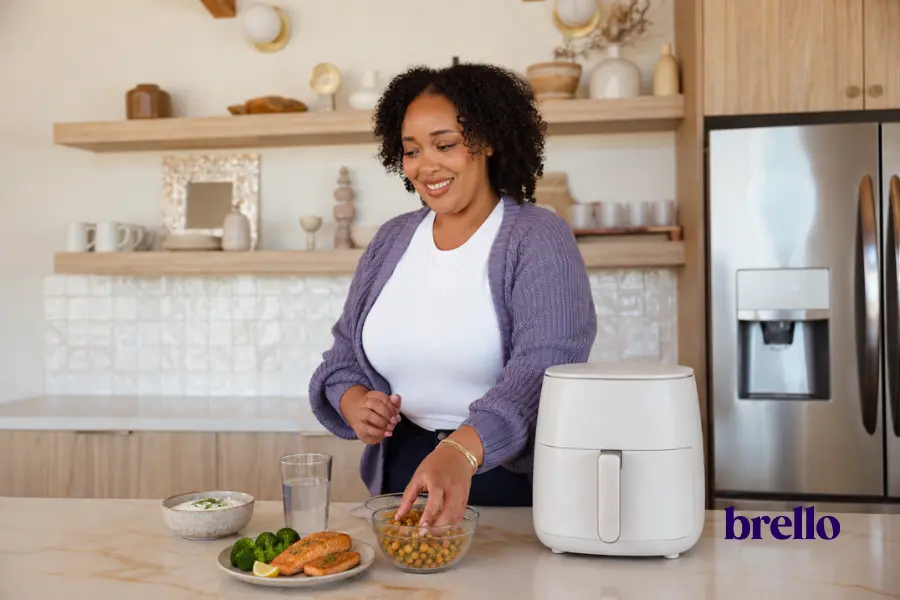
GLP-1 air fryer recipes tend to work well as a simple formula: a protein food, a vegetable, and a flavor you like, cooked with a light mist of oil in a portion that feels right for you. Chicken thighs, salmon, shrimp, eggs, and tofu all crisp up well.
One protein can also become a few different meals, with less waste and less guesswork.
What makes GLP-1 air fryer recipes work for a GLP-1 routine?
GLP-1 air fryer recipes tend to work well when they center on a protein food, add vegetables, and use a light mist of oil instead of a pot of it. Circulating hot air can give chicken, fish, tofu, and vegetables a crisp, fried-style texture1. A small batch can also make a right-sized portion simpler to cook.
That combination covers a lot of what people want from a meal:
- Protein-forward. A protein food like chicken, fish, eggs, or tofu sits at the center of the plate.
- Crisp with less oil. A light spray or a spoonful of oil can go a long way, compared with the pot of oil used for deep-frying1.
- Right-sized and hands-off. You can cook one fillet or a handful of shrimp without heating a full oven or standing over a pan.
Portions vary from person to person, and so does how much protein to eat on a GLP-1 routine. Treat everything below as ideas to adapt, not rules to follow.
What’s a simple formula for an air fryer plate?
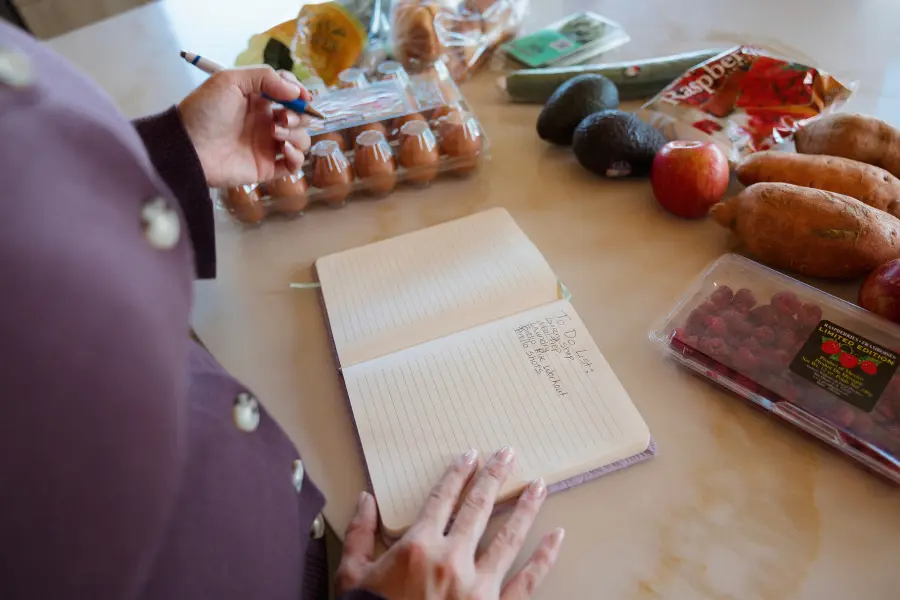
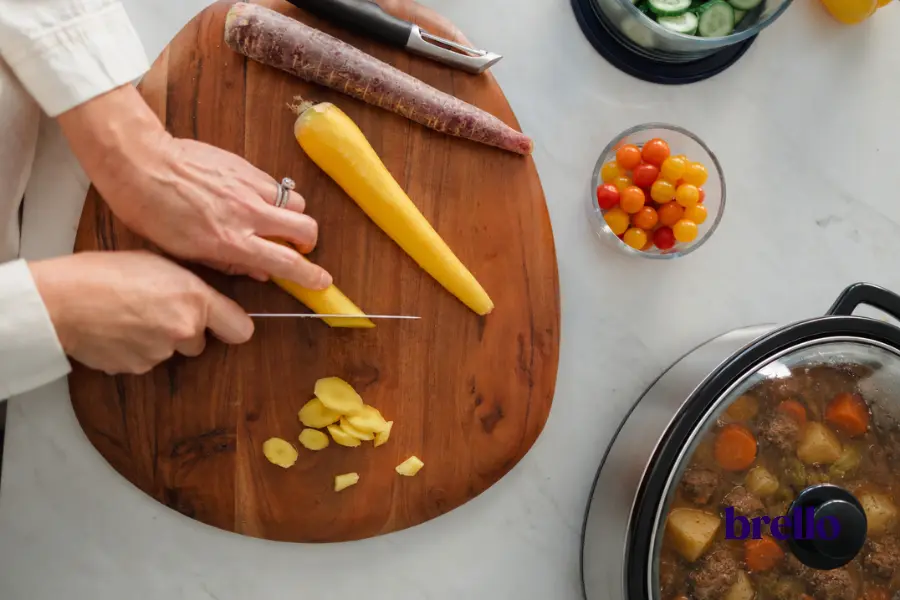
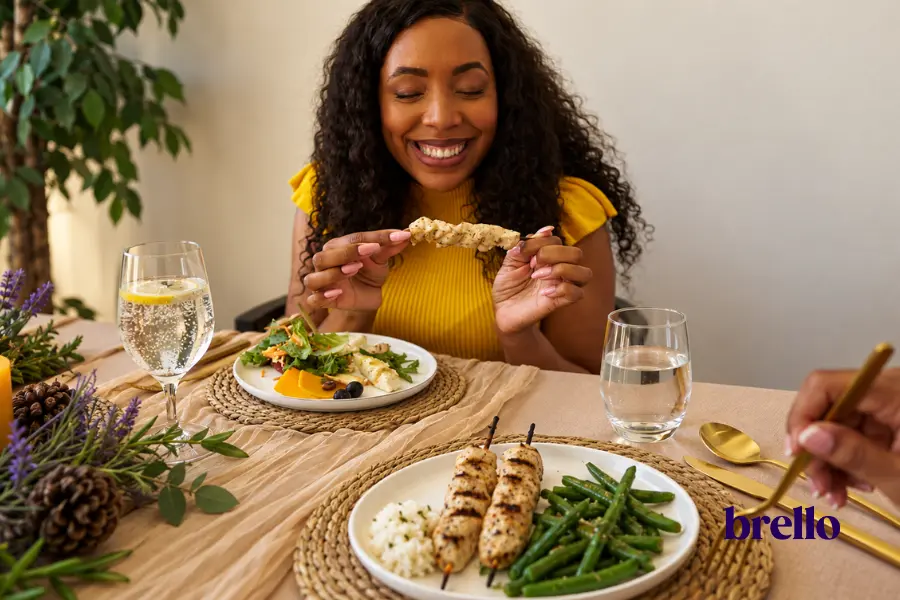
Think formula, not recipe. Pick one protein, one vegetable, and one flavor direction, then add a side like rice, potatoes, or a wrap if you want one. This protein + vegetable + flavor template means fewer decisions from scratch, and it lets you rotate what’s already in your fridge or freezer.
USDA’s MyPlate uses a similar idea: building balanced meals from food groups6. Fewer choices at dinnertime may also ease some of the decision fatigue that builds up over a long day.
How the formula works
Choose one item from each column, then cook the protein and vegetable in the air fryer, together or one after the other. Vegetables like green beans can turn crisp at the edges with very little oil1. The side can come from the microwave, the stovetop, or a ready-to-heat pouch.
| Protein | Vegetable | Flavor | Optional side |
|---|---|---|---|
| Chicken thighs | Broccoli | Lemon, garlic, and oregano | Rice |
| Salmon fillet | Asparagus | Dill with a yogurt sauce | Small potatoes |
| Firm tofu | Bell peppers and onions | Fajita spices and lime | Corn or flour tortilla |
| Shrimp | Zucchini | Chili, lime, and cilantro | Quinoa |
Proteins and vegetables don’t always finish at the same time. Consider starting the denser item first, or cooking them in separate rounds.
One protein, three dinners
The same protein and vegetable can feel like three different meals when the flavor and format change. Air-fry chicken thighs and broccoli once, then switch the seasoning or the base each night. The repeatable part is the decision, not an identical plate every day.
- Lemon-herb plate: chicken and broccoli with lemon, parsley, and a scoop of rice.
- Taco-spiced wrap: the same chicken with chili powder, cumin, salsa, and shredded lettuce in a tortilla.
- Sesame bowl: chicken and broccoli over greens or rice with a drizzle of soy sauce and sesame seeds.
Protein + vegetable + flavor is a starting point, not a full definition of a balanced meal. Fruit, whole grains, dairy, and other foods can round things out across the day6.
Which high-protein foods cook well in an air fryer?
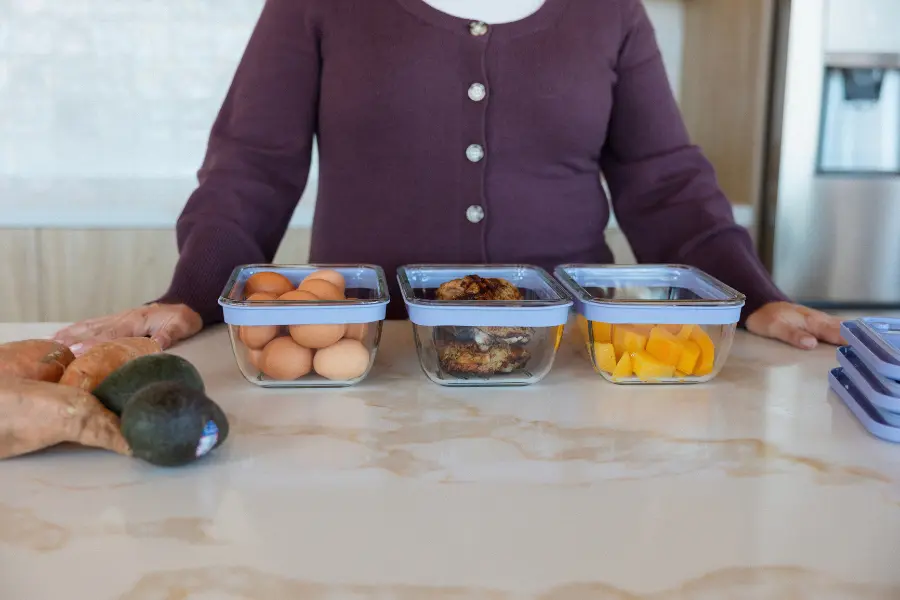
Chicken, turkey, salmon and white fish, shrimp, eggs, lean pork, and firm tofu all cook well in an air fryer. Even-sized pieces in a single layer tend to cook most evenly. For meat, poultry, and egg dishes, a food thermometer, not color, is the most reliable way to know it’s done1.
USDA’s MyPlate encourages variety across protein foods, including seafood, poultry, eggs, beans, peas, lentils, nuts, seeds, and soy products4. Rotating a few favorites can keep meals interesting.
| Protein | Air fryer tip | Done when |
|---|---|---|
| Chicken breasts or thighs | Pound breasts to an even thickness | 165°F |
| Ground turkey or chicken patties | Keep patties thin and even | 165°F |
| Pork chops or tenderloin medallions | Pat dry and let rest after cooking | 145°F, then rest 3 minutes |
| Salmon or white fish | Choose evenly thick pieces | 145°F, or the flesh is opaque and flakes with a fork |
| Shrimp | Spread in one layer or thread on skewers | The flesh is pearly and opaque |
| Egg bites or frittata cups | Use silicone or oven-safe cups | 160°F |
| Firm or extra-firm tofu | Press or pat dry before seasoning | Golden edges and a firm surface |
Temperatures are USDA safe minimum internal temperatures2. Insert the thermometer into the thickest part of the food1.
What are some high-protein GLP-1 air fryer recipes to try?
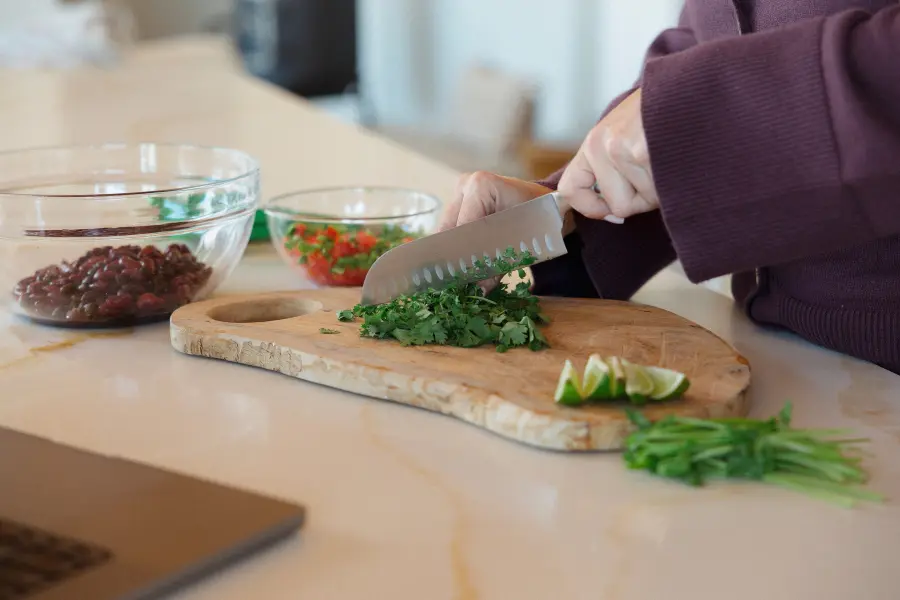
Start with recipes you can mix and match across the day: egg bites or tofu scramble cups for breakfast, crispy chicken or chickpea bowls for lunch, salmon or shrimp with a vegetable for dinner, and a few crunchy snacks. Each idea follows the same plate formula, so swaps stay simple.
Breakfast ideas
Air fryer breakfasts can be as simple as eggs or tofu in small cups with vegetables mixed in. One batch can cover a couple of mornings, and extras can go straight into the fridge. For more ways to start the day, see these high-protein breakfast ideas. Cook egg dishes until the center reaches 160°F2. Let them cool a minute before eating.
- Spinach and feta egg bites: whisked eggs with spinach and crumbled feta, cooked in silicone cups.
- Turkey sausage and peppers: small turkey sausage patties with sliced bell peppers, cooked side by side.
- Tofu scramble cups: crumbled firm tofu with turmeric, onion, and diced tomato, cooked until the tops turn golden.
Lunch, snacks, and sides
Lunches and snacks can reuse the same building blocks: a protein, a vegetable, and something with crunch. Bowls and salads come together from components cooked earlier, and a few air-fried snacks bring crunch without a deep fryer. For options that travel well, try these high-protein lunches you can pack for work. Each option can be scaled up or down to match the portion you want.
- Chicken, quinoa, and roasted veggie bowl: sliced chicken over quinoa with air-fried zucchini and peppers, plus a squeeze of lemon.
- Crispy chickpea salad: chickpeas air-fried with smoked paprika, tossed over greens with cucumber and feta.
- Mini turkey-feta burgers: small patties with spinach and feta, served over greens or in a lettuce wrap.
- Crunchy snacks: crispy chickpeas, roasted edamame, or zucchini chips with a Greek yogurt or tzatziki dip.
Dinner ideas
Dinner comes together with less cleanup when the protein and vegetable cook in the same basket or back to back. Salmon with asparagus, shrimp with zucchini, and pork with Brussels sprouts all fit the plate formula. A squeeze of citrus or fresh herbs at the end can add flavor without extra oil. For more ideas, browse these high-protein dinners for small portions.
- Salmon and asparagus: a salmon fillet and asparagus spears with lemon slices and dill.
- Chili-lime shrimp and zucchini: shrimp and zucchini half-moons with chili powder and lime.
- Pork tenderloin and Brussels sprouts: tenderloin medallions and halved sprouts with garlic and a little Dijon.
- Herb-crusted white fish: cod or tilapia with a thin panko and parsley crust, served with green beans.
How do you keep small portions crisp, not dry?
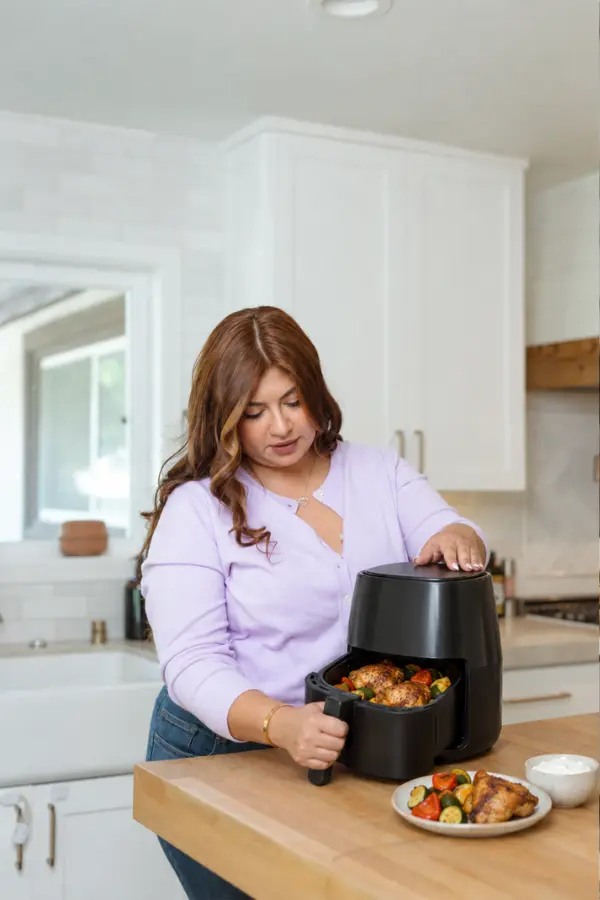
Small portions often finish sooner than a recipe’s timer expects, so cook for thickness, not the clock. Keep pieces in a single layer1,5. Patting food dry, using a light mist of oil, and checking early can also help. A marinade or thin yogurt coating can help lean chicken stay moist, and a thermometer confirms doneness.
A single-portion checklist
A small chicken breast, a thin fillet, or a handful of tofu cubes can finish sooner than a recipe written for a family-size batch. Cook times can change with the size of each piece and your air fryer, so a recipe’s time is a starting point. These habits can help each piece turn out crisp outside and tender inside.
- Even it out. Pound or butterfly thick chicken breasts so the thin end doesn’t dry out before the center is done.
- Pat it dry, then oil lightly. A dry surface crisps better, and a light mist of oil helps browning.
- Add moisture to lean poultry. A marinade, a thin coat of plain yogurt, or a spoonful of sauce can help it stay juicy.
- Keep one layer. Leave space around each piece so hot air can circulate1,5.
- Flip or shake halfway. Turning the food helps both sides brown.
- Check early. Start checking a few minutes before the recipe’s time, and confirm with a thermometer1,5.
- Let it rest. A few minutes on the plate can help keep juices in the meat.
Common mistakes
Most dry or soggy results come from three habits: crowding the basket, cooking to the timer instead of the food, and skipping the dry surface. Each one has a simple fix, and none of them calls for special equipment. Small changes here can make lean protein much more enjoyable.
- Crowding the basket. Food may cook unevenly and brown poorly1,5. Cook in two rounds when the basket is full.
- Trusting the timer alone. Air fryers come in different sizes and styles, so the timer is a starting point1.
- Skipping the pat-dry step. Surface moisture can keep coatings and vegetables from crisping.
How can you cook once and eat a few different ways?
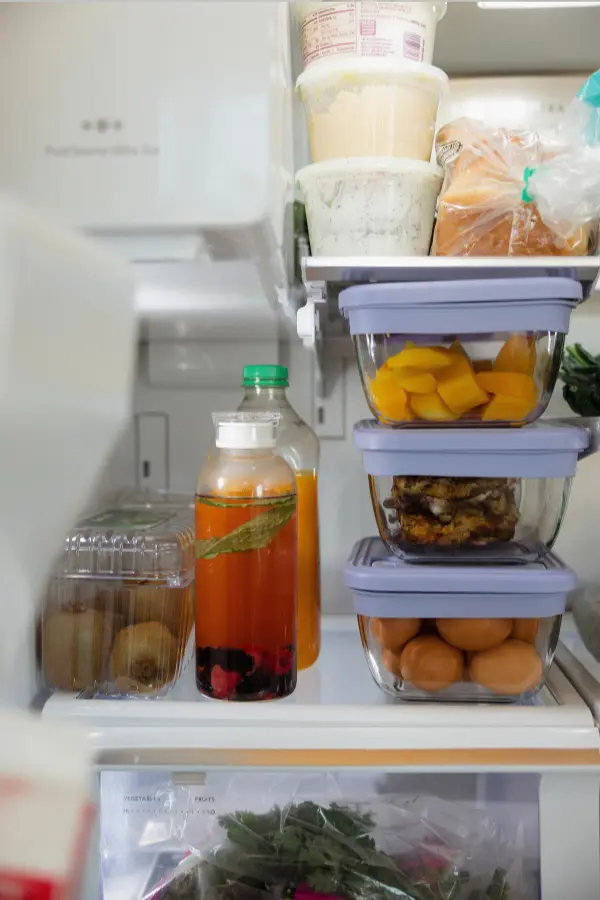
Cook one protein component, like a tray of chicken thighs or tofu cubes, and use it a few ways over the next couple of days. A bowl tonight, a wrap tomorrow, and a salad topper after that can mean less waste and less repetition.
- Batch one protein. A tray of chicken thighs, a bag of shrimp, or a block of tofu can cover a few meals.
- Change the format. Rotate between bowls, wraps, and salads so the same food feels new.
- Re-crisp leftovers. A few minutes in the air fryer can bring back crunch. Reheat leftovers to 165°F3.
- Try it cold. If reheated chicken breast feels dry, slice or shred it cold for salads and wraps.
- Store it promptly. Refrigerate leftovers within 2 hours and use them within 3 to 4 days3.
A slow cooker can handle bigger batches the same way. These slow-cooker recipes for GLP-1 days follow the same cook-once idea.
What if cooking feels like too much today?
Some days, even a short cook feels like a lot, and that’s normal. A freezer-to-air fryer fallback, like frozen shrimp with frozen vegetables, or re-crisping store-bought rotisserie chicken, can still give you a protein-forward plate. No-cook options count too.
- Frozen shrimp and vegetables: cook from frozen with a light mist of oil and a favorite seasoning.
- Rotisserie chicken, re-crisped: warm pieces in the air fryer for a few minutes.
- Pre-cut vegetables: skip the chopping and go straight to the basket.
- No-cook backups: hard-boiled eggs, Greek yogurt, or cottage cheese with fruit.
Small steps still count. A simple plate on a hard day is a win.

Take The
First Step
with Brello
Final Thoughts
Cooking around smaller portions isn’t about finding the perfect GLP-1 air fryer recipes. It can mean having a plan you trust on the nights you’re tired and the nights you feel like cooking.
This week, pick one protein and one vegetable you already like. Cook them together once, then give them two different flavors.
Some nights may look polished, and some might be shrimp from the freezer. Both are real meals, and both count toward a routine that fits your life.
Frequently Asked Questions
What foods don’t work well in an air fryer?
Wet batters tend to drip through the basket before they set, which can make a mess and smoke. Light leafy greens can blow around, and large amounts of loose cheese may melt through. A dry coating, like panko or crushed cereal, usually crisps better than a liquid batter.
Is rotisserie chicken a good air fryer shortcut?
It can be a practical shortcut on busy nights. Warm pieces in the air fryer for a few minutes to bring back crisp skin, or remove the skin if you prefer. Store-bought chickens vary, so the nutrition label can help you compare options.
Can you meal prep air fryer proteins?
Yes. Cook a batch of chicken, tofu, or shrimp, then refrigerate it within 2 hours and use it within 3 to 4 days3. Reheat to 165°F, then re-crisp in the air fryer for a few minutes if you like3.
Are GLP-1 air fryer recipes different from regular air fryer recipes?
Mostly, they use the same foods and techniques. The difference is in how the plate comes together: protein first, vegetables alongside, lighter oil, and portions sized to what feels right. Any air fryer recipe can be adapted with the plate formula.
What’s a good first thing to cook in an air fryer?
Chicken thighs or broccoli are forgiving places to start. Thighs tend to stay juicy even if they cook a little longer, and broccoli shows how a single layer and a mid-cook shake help food crisp.