TL;DR: Body acceptance means treating your body with respect and care. You don’t have to love it every day. It focuses on handling specific daily moments—getting dressed, mirrors, photos, social media—with self-compassion instead of self-criticism. It’s ongoing practice, not something you achieve once.
You’re getting dressed and nothing feels right. Or you see a photo of yourself and immediately start picking it apart. That wave of body criticism—it happens in specific moments.
Body acceptance isn’t about forcing yourself to love your body. It’s not about achieving lasting peace. It’s an ongoing practice that shows up in real, daily moments: getting dressed, looking in mirrors, seeing photos, scrolling social media. These moments are where acceptance gets tested.
This guide covers what body acceptance means, the five moments it feels hardest, and concrete strategies that help it survive bad days. No transformation promises. No pressure to feel positive all the time.
The content provided is for informational purposes only and should not be construed as medical advice; it is not a substitute for professional medical consultation, diagnosis, or treatment.
What Is Body Acceptance?

Body acceptance is treating your body with respect and care. You acknowledge insecurities. You find peace without needing constant change or positive feelings. It’s an ongoing practice—not a destination. It allows difficult days while still caring for yourself. It emphasizes self-compassion over self-criticism.
Body acceptance means respecting your body as it is right now. You acknowledge insecurities without letting them control your choices. You find ways to care for your body even on days when you don’t feel positive about it.
What body acceptance is:
- Respect and care for your body in its current form
- Acknowledging discomfort without judgment
- Focusing on what your body does for you
- Allowing the full range of feelings about your body
What body acceptance isn’t:
- Constant love or forced positivity
- Ignoring health or wellness
- Never having bad body-image days
- A one-time achievement you reach and keep
Your self-worth doesn’t depend on your physical appearance. Body acceptance recognizes this truth. It helps you practice it, even when cultural messages suggest otherwise.
It’s something you return to repeatedly, not something you achieve once. Think of it as a practice—like mindfulness or gratitude—that needs ongoing attention.
How Is Body Acceptance Different from Body Positivity and Body Neutrality?
Body positivity encourages loving your appearance. This can feel pressuring. Body neutrality focuses on what your body does rather than how it looks. It removes appearance emphasis entirely. Body acceptance sits between them. You don’t need to love your body or feel neutral. You can feel uncomfortable and still treat your body with compassion4.
These three approaches offer different frameworks for relating to your body. Understanding the differences helps you find what works for you.
Body positivity centers on loving your appearance. It celebrates all bodies as beautiful. The core message is “all bodies are beautiful.” This approach challenges narrow beauty standards. It promotes acceptance of body diversity. The strength here is cultural pushback against limited beauty ideals. The challenge: it can feel pressuring if you’re not feeling positive. It requires constant positive feelings about your appearance4.
Body acceptance focuses on respect and care without requiring positive feelings. The message is “my body deserves care, even on days I don’t like it.” You acknowledge discomfort and practice kindness anyway. This approach emphasizes compassion over comparison—toward yourself and others. The strength is realism. It allows bad body-image days. It permits the full range of feelings. You’re practicing acceptance, not forcing love4.
Body neutrality centers on what your body does, not how it looks. The message is “my body is an instrument, not an ornament.” This approach removes appearance focus entirely. (For a deeper look at this framework, see our guide on body neutrality and how it works in daily life.) It emphasizes capability and function. Bodies are neither good nor bad—they simply exist and function. The strength is taking pressure off appearance completely. The challenge: it may feel dismissive if appearance-related distress is part of your experience4.
These frameworks aren’t mutually exclusive. Many people blend approaches or move between them depending on the day. What matters is finding a framework that reduces shame and supports your well-being.
All three challenge diet culture’s narrow beauty standards. They challenge the idea that your worth depends on how you look. Body acceptance specifically emphasizes practicing compassion toward yourself rather than constant comparison to others or idealized versions of yourself.
Why Is Body Acceptance So Hard to Sustain?
Body acceptance is hard because cultural pressure to change your body never stops. Diet culture, social media, and beauty standards create constant messaging that your body needs fixing. Practicing compassion toward yourself requires ongoing effort against these external forces pushing comparison. It’s not a one-time mindset shift3.
You’re navigating a culture that profits from body dissatisfaction. Understanding the systemic forces at play helps explain why body acceptance feels like swimming upstream.
The Role of Diet Culture
Diet culture is the system of beliefs that values thinness and appearance over health and well-being. It often equates body size with worth. It’s the water we swim in—the background noise that makes body acceptance so challenging.
Diet culture creates the comparison mindset. It makes specific moments (getting dressed, seeing photos, scrolling social media) feel emotionally loaded. It teaches you to constantly measure your body against narrow standards and find it lacking9.
How diet culture fuels comparison:
- Constant messaging that bodies need changing or fixing
- Appearance tied to moral worth (“good” vs “bad” bodies)
- Shame around natural body diversity
- The comparison trap: your body vs an idealized standard
These messages show up everywhere. Advertisements. Social media. Comments from family. Workplace wellness programs. Even healthcare settings. The pressure is everywhere9.
This is why body acceptance must be an ongoing practice. External pressure doesn’t stop. So you’re continuously choosing compassion over comparison. You’re practicing against cultural currents, not with them.
Societal standards and media representations create unrealistic beauty ideals that most bodies don’t match. Recognizing this helps you see that the problem isn’t your body. It’s the narrow standards themselves3.
The Gap Between Understanding and Feeling It
You can understand body acceptance intellectually and still feel intense discomfort or comparison in specific moments. This gap is normal, not failure.
You might know, logically, that your worth isn’t tied to your appearance. But when you’re getting dressed or seeing a photo, that knowledge doesn’t always translate to how you feel. The intellectual understanding lives in one part of your brain. The emotional response lives in another.
The understanding doesn’t automatically change the feeling. This is why concrete strategies for specific moments matter. Understanding alone isn’t enough. You need practices that help you navigate the gap between knowing and feeling. Ways to bring compassion into moments when comparison and criticism arise automatically.
Where Does Body Acceptance Feel Hardest? (5 Daily Moments + What to Try)
Body acceptance is hardest in specific “visibility moments.” Getting dressed. Looking in mirrors. Seeing photos of yourself. Scrolling social media. Attending social events. These moments activate comparison and self-criticism. Rather than avoiding them, you can practice compassion through concrete reframes that make body acceptance more sustainable1,2,3.
Studies have identified these situations as common triggers for body image struggles1,2,3. These aren’t abstract challenges. They’re the exact situations where acceptance either holds or breaks down.
Here’s what to try in each moment, with strategies grounded in self-compassion rather than self-criticism:
Moment #1: Getting Dressed
Why comparison happens: Clothes fit differently than you expect. Body changes become visible. You compare yourself to how you looked in the past or how you think you “should” look1.
Compassion strategies to try:
- Focus on comfort and function. Ask yourself: “Does this feel good to wear?” Rather than “Does this hide what I don’t like?”
- Keep clothes that fit you now. Donate or store clothes that trigger comparison or make you feel bad about your current body.
- Reframe the narrative: “My body deserves comfortable clothes that work for me today, not clothes that demand I change.”
- Notice comparison thoughts without judgment. If you catch yourself thinking “I looked better five years ago,” acknowledge it: “I’m comparing myself to the past.” Then redirect: “What feels good to wear right now?”
Moment #2: Mirrors and Body-Checking
Why comparison happens: Close visual scrutiny invites analyzing perceived flaws. You compare your body to filtered, edited images you’ve seen online2.
Compassion strategies to try:
- Limit body-checking time. Set a timer if needed. Notice when checking becomes criticism2.
- Reframe from appearance to function: “What does my body let me do today?” Instead of “How does it compare to X?”
- Practice neutral observations. Try: “I see a body” rather than “I see a body that doesn’t measure up.”
- Reframe comparison thoughts. When you notice self-critical comparison, identify it. Replace it with something neutral or compassionate. This doesn’t mean forcing positivity. Just shifting from harsh to kind.
If self-critical inner dialogue shows up often, our guide on how to stop negative self-talk walks through specific techniques that pair well with body acceptance work.
Moment #3: Seeing Photos of Yourself
Why comparison happens: There’s a gap between your internal sense of self and external appearance. You compare yourself to other people in photos or to past versions of yourself. Images feel permanent and shareable, which intensifies the pressure3.
Compassion strategies to try:
- Remember: photos are one angle at one moment. They’re not your whole body or your whole self.
- Practice self-compassion: “I can feel uncomfortable with this photo and still be kind to myself.” Feeling discomfort doesn’t mean you need to fix or hide.
- Reframe: “This photo doesn’t define me or my worth.”
- Notice the comparison trap: “Who am I comparing myself to right now? Is that comparison even realistic?”
Moment #4: Scrolling Social Media
Why comparison happens: Curated, filtered, edited images create unrealistic comparison points. Algorithms show idealized bodies. Constant exposure intensifies feelings of inadequacy3.
Compassion strategies to try:
- Curate your feed intentionally. Unfollow accounts that trigger comparison or make you feel worse about yourself3.
- Follow diverse bodies. Seek out content showing different ages, sizes, abilities, and real (unfiltered) lives.
- Take breaks when scrolling feels harmful. Notice when social media increases comparison and criticism3.
- Reframe when you catch yourself comparing: “These are edited highlights, not reality. My worth isn’t determined by comparison to curated images.”
- Remember: most people post their best angles and moments. You’re comparing your full reality to someone else’s carefully selected highlights3.
Moment #5: Social Events and Body-Visibility Situations
Why comparison happens: Swimsuit situations. Formal events. Being seen and photographed. All increase body awareness. Real-time comparison to others present can feel unavoidable. Anticipation anxiety builds before events even happen1.
Compassion strategies to try:
- Shift focus from comparison to experience: “What will make this enjoyable?” Instead of “How will I compare to others?”
- Plan self-compassion practices before and after high-stress events. Give yourself permission to feel anxious. Have a plan for taking care of yourself.
- Remind yourself: most people are focused on themselves, not critiquing your body.
- Challenge comparison thoughts: “Whose standards am I using right now? Are they realistic? Are they even mine?”
These moments are where body acceptance practice actually lives. Choosing compassion toward yourself over comparison to others or idealized versions of yourself. The practice isn’t about never having these moments. It’s about having strategies that help you move through them with more kindness.
What Helps Body Acceptance Last?
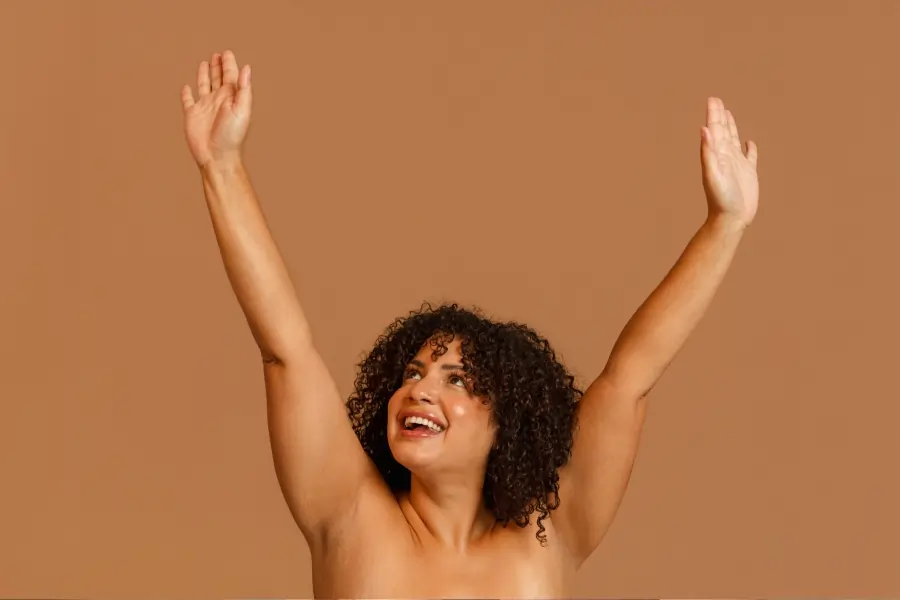
Body acceptance lasts when it’s supported by ongoing structures—not just initial motivation. Community that normalizes body diversity and reduces comparison. Repeatable routines that build compassion into daily life. Professional support when needed. All help the practice survive difficult moments and setbacks.
Inspiration fades. What sustains body acceptance are the structures you build around it.
Community and Connection
Supportive relationships normalize body diversity. They challenge comparison culture. When you’re surrounded by people who don’t constantly talk about dieting, appearance, or “fixing” their bodies, acceptance becomes easier to practice.
Community reduces isolation. It provides repeated reminders that your worth isn’t tied to appearance or how you compare to others. Structured programs like Brello Rise are built around this kind of ongoing, compassion-led support — pairing community with sustainable routines.
Finding compassion-building community:
- Online communities focused on body acceptance or body neutrality
- Local groups or meetups that emphasize wellness over appearance
- Trusted friends who practice compassion over comparison
- Spaces that celebrate body diversity
Shared experience validates your struggle. You realize you’re not alone in finding this hard. That realization itself reduces shame.
Repeatable Routines That Build Compassion
Link body acceptance to daily behaviors — self-talk, body care, movement choices rooted in compassion rather than comparison. Make compassion more automatic through repetition. If you’re not sure where to start, our framework on how to build healthy habits covers small, repeatable steps that tend to last.
Compassion-building routines to try:
- Morning self-compassion check-ins: “How do I want to treat my body today?”
- Values-based choices: “What matters beyond appearance?”
- Self-compassion practices: Treat yourself with the kindness you’d offer a friend. Acknowledge that your worth isn’t defined by how you look or how you compare to others.
- Gratitude for function: “What does my body let me do today?”
Some people find positive affirmations helpful for countering comparison-based self-talk, though this varies by person. The goal is finding practices that feel authentic, not forced.
What Doesn’t Help: Compulsive Exercise as Comparison-Driven
Compulsive exercise is exercise driven by guilt, punishment, rigid rules, comparison to fitness ideals, or body control. Not joy, health, or self-compassion. It differs from joyful movement in motivation and impact10.
Compulsive exercise is comparison-based: “I need to look like X” or “I have to burn off what I ate.” Joyful movement is compassion-based: “This feels good for my body” or “This helps me manage stress”10.
Compulsive exercise reinforces comparison and criticism rather than building compassion. You’re constantly measuring yourself against standards. Treating your body like a project to fix10.
When you stop using exercise as punishment or control, you create space for movement that actually supports well-being2.
Joyful movement means finding physical activities that make you feel good and honor your body — not exercising to burn calories, earn food, or meet comparison-based fitness ideals. It’s movement for function, joy, and stress relief. Chosen with compassion rather than criticism10. Practices like a tiny somatic exercise routine can be a gentle starting point — focused on reconnecting with your body rather than changing it.
Body acceptance supports moving in ways that feel caring. It rejects movement that’s driven by shame, comparison, or the need to control your body’s appearance.
Professional Support When Needed
If body dissatisfaction, comparison-driven behaviors, or self-criticism significantly affects your daily life or mental health, professional guidance can help. Practicing compassion toward yourself includes recognizing when support would be beneficial.
Body acceptance practices can be part of wellness with professional support. They’re not a substitute for specialized care when distress is severe.
Body Acceptance Beyond Appearance: When Function Matters Most
For people with chronic illness, disability, or aging-related changes, body acceptance is less about appearance comparison. It’s more about respecting a body that may be painful, limited, or unpredictable. Appearance-focused frameworks miss this reality. Practicing compassion toward your body’s function and capability matters just as much as aesthetics5,6.
Many people’s body struggles center on what their body can or can’t do—not just how it looks. Traditional body acceptance content focuses almost exclusively on appearance comparison. This leaves this population without relevant frameworks5,6.
Chronic illness: Your body may be painful, exhausting, limited, or unpredictable. Comparison here isn’t “my body vs others’ bodies.” It’s “my body now vs how it used to work” or “what I can do vs what I want to do.” Compassion means honoring limitations. Respecting pain signals. Not judging your body’s worth by productivity5,6.
Disability: Your body may work differently than expected or portrayed in media and culture. Comparison to “normal” or “able-bodied” standards creates suffering. Compassion means accepting different abilities. Adapting rather than forcing. Respecting your body’s unique way of functioning6.
Aging: Functional changes happen alongside appearance changes. Strength. Mobility. Energy. Recovery time. Comparison to your younger self or age-defying cultural standards intensifies the challenge. Compassion means respecting your body’s life stage. Grieving losses while still caring for yourself6.
Research on positive body image in people with chronic health conditions shows it includes illness acceptance, symptom management, self-compassion, a focus on functionality, and a multidimensional view of beauty—not appearance alone5,6.
Body acceptance in function-focused contexts means:
- Respecting what your body can do, even if it’s limited (compassion for current state)
- Grieving losses without shame (compassion for the grief process)
- Not judging your body’s worth by productivity, ability, or comparison to others or your past self
- Acknowledging pain or limitation with kindness, not criticism
Practicing compassion toward a body that hurts or doesn’t “perform” as expected is genuinely challenging. Cultural pressure to be “healthy,” “productive,” and “able” adds another comparison layer that makes acceptance harder.
This population deserves body acceptance frameworks that address their reality. Appearance-focused content alone isn’t enough.
Does Body Acceptance Mean Giving Up on Health?
No. Body acceptance means respecting your body’s natural state. Caring for it with compassion, not punishment or comparison to health and fitness ideals. Health-supportive behaviors—joyful movement, balanced eating, stress management, sleep—can exist within body acceptance. What changes is the motivation: self-compassion, not self-criticism or comparison11.
This is one of the most common concerns people have about body acceptance. The short answer: acceptance and health aren’t opposites11.
Health Behaviors Rooted in Compassion, Not Comparison
Body acceptance supports health behaviors motivated by self-compassion and care for your body. Not by criticism, shame, or comparison to fitness culture ideals11.
What body acceptance rejects: Restrictive dieting. Punishing exercise. Constant weight monitoring. Behaviors driven by comparison, shame, or the need to look a certain way9,11.
Reframe from comparison to compassion:
- Not: “What will make me look like [person/ideal]?”
- Instead: “What feels caring and sustainable for my body?”
Diet culture conflates health with thinness. It creates comparison-based health messaging. Body acceptance separates health from appearance and comparison9,11.
Health as compassion means choosing behaviors because they support well-being. Not because they achieve a comparative standard or make you look more like someone else.

Take The
First Step
with Brello
Final Thoughts
Body acceptance is an ongoing practice of choosing compassion over comparison. In the specific daily moments where criticism usually shows up. Getting dressed. Looking in mirrors. Seeing photos. Scrolling social media. Navigating social events.
Community, routines, and self-compassion help this practice last. Comparison culture—diet culture, social media, beauty standards—makes it genuinely challenging. You’re not imagining the difficulty.
Small steps matter more than perfection. Progress isn’t linear. Bad days don’t erase the work you’re doing. Compassion includes patience with yourself on days when acceptance feels impossible.
Body acceptance is a practice of compassion that can grow with you. One moment, one day at a time, choosing kindness over comparison.
Frequently Asked Questions
What does body acceptance mean?
Body acceptance means treating your body with respect and compassion. You don’t need to love it every day or feel constantly positive. It’s about finding peace with your body as it is. Acknowledging insecurities. Building a less judgmental relationship that survives difficult moments. Choosing compassion over comparison.
How is body acceptance different from body positivity?
Body positivity encourages loving your appearance. It celebrates all bodies as beautiful. This can feel pressuring if you struggle with body image. Body acceptance is less demanding. You can feel uncomfortable with your body and still treat it with compassion. It emphasizes self-compassion over comparison to positivity standards4.
Why do I understand body acceptance but still struggle with it?
There’s often a gap between understanding body acceptance intellectually and feeling it emotionally in difficult moments. Especially when comparison is triggered. This gap is normal. You can know the concept while still experiencing discomfort when seeing photos, getting dressed, or comparing yourself to others. Body acceptance is ongoing practice, not instant transformation.
What should I do on bad body image days?
On bad body image days, practice self-compassion. Acknowledge the discomfort without judging yourself for it. Try reframing comparison thoughts. “Everyone else looks better than me” becomes “I’m comparing myself to curated images that aren’t reality.” Limit body-checking2. Focus on what your body lets you do. Remind yourself that difficult feelings don’t last forever.
When should I consider seeking professional support?
If body dissatisfaction, comparison-driven behaviors, or self-criticism significantly affects your daily life, relationships, eating patterns, or mental health, professional support can help. Body dysmorphia, eating disorders, and severe body distress benefit from specialized treatment7,8. Body acceptance practices can be part of wellness. But they’re not a substitute for clinical support when needed.
Can you practice body acceptance at any age?
Yes. Body image concerns and comparison patterns can begin in childhood and continue throughout life. Body acceptance is relevant at any age. Whether you’re navigating puberty, midlife changes, aging, chronic illness, or any life stage where your relationship with your body feels challenging or comparison-driven.