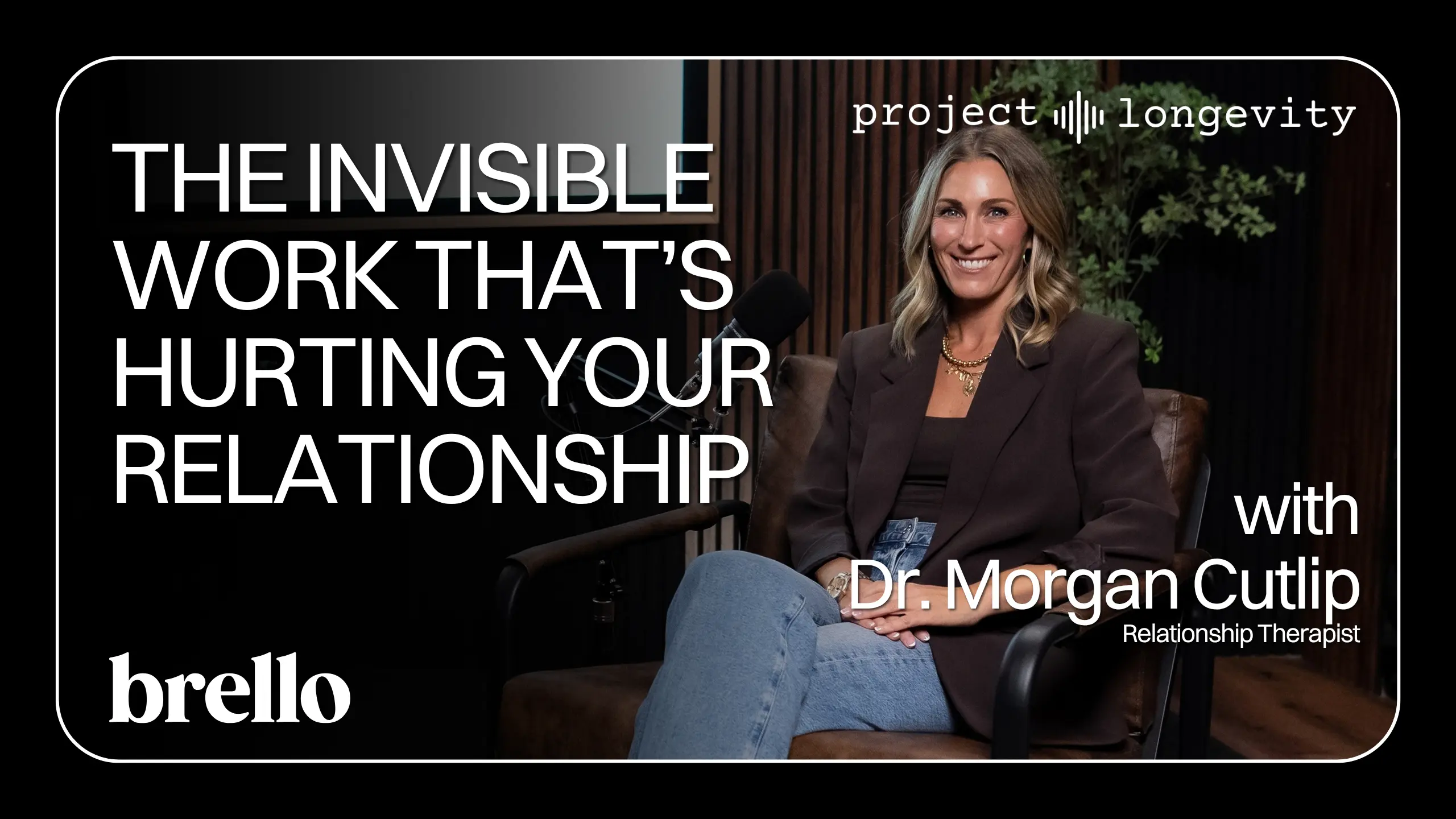
In Episode 1 of Project Longevity, Caulen Foster sits down with health and wellness coach Tori Farrow for a conversation about long-term health, chronic illness, and what it really takes to care for your body over time.
Tori’s perspective is shaped by experience, not theory alone. As an athlete, she once viewed health mostly through an external lens. That changed after she became seriously ill and had to shift her focus toward internal health, long-term management, and understanding what her body truly needed. Living with PCOS, stage three endometriosis, and Crohn’s disease led her to take a deeper, more personal approach to wellness.
Throughout the episode, Tori shares how fitness, nutrition, recovery, self-accountability, and education all play a role in longevity. Her message is simple but powerful: taking care of yourself is not about chasing perfection. It is about learning, adjusting, and building habits that support you for the long run.
Prefer listening instead? Tune in to Project Longevity: Season 1, Episode 1 with Tori Farrow on Spotify, Apple Podcasts, Amazon Music, and other major podcast platforms.



Tori Farrow’s Journey From Athlete to Health and Wellness Coach
Tori explains that taking care of herself used to feel natural because she was physically active for most of her life. As an athlete, movement and discipline were already part of her routine. But during her senior year of undergrad, she got very sick, and that experience completely changed how she saw health.
Instead of focusing mostly on outward fitness, she began to think more deeply about what was happening inside her body. That shift led her into years of learning, research, and trying to better understand how to manage complex health challenges. Over time, she began to see how much energy, responsibility, and consistency true self-care really takes.
That personal journey eventually shaped the work she does now. As a coach, she helps women reclaim their vitality, especially those dealing with chronic illness and autoimmune-related challenges. What makes her perspective stand out is that it comes from lived experience. She is not simply teaching routines. She is sharing what she has had to learn in order to feel strong, capable, and healthy again.
What Health Management Really Looks Like When Chronic Illness Is Part of the Picture
One of the most memorable points Tori makes is that health management can feel highly detailed in the beginning. When someone is first trying to understand what helps and what hurts, it can feel like a constant process of adjusting, observing, and fine-tuning⁷. But once the right systems are in place, those habits can become much easier to maintain⁷.
She describes management as deeply personal. In her words, “Management is the research of you.” That idea sits at the center of the conversation.
For Tori, management means paying close attention to the details that shape daily health⁷. That can include micronutrients, vitamins, food choices, and understanding how your body responds to what you take in⁶,¹². It also means recognizing that what works well for one person may not work the same way for someone else⁶.
Her perspective is especially helpful because it moves beyond generic advice. Instead of assuming there is one universal formula, she emphasizes learning how your own body responds. That kind of self-awareness becomes part of the longevity process.
Why Fitness Is Still Foundational to Long-Term Health
Tori is clear that fitness is not separate from health management. For her, the two are deeply connected¹,⁷.
She shares that after going through multiple surgeries in a five-year period, one doctor told her that if she had not been as active and physically conditioned as she was, she may not have survived everything her body had endured. That experience reinforced something she already believed: fitness matters for far more than appearance.
In the episode, she explains that movement supports the body in practical ways that become even more important over time¹,². She points to benefits like overall strength, calorie management, and bone health, especially for women¹,³. She also explains that when her health management was not where it needed to be, she could feel it in her fitness. And when her fitness slipped, it affected the rest of her health as well.
That is why she does not treat exercise like an optional add-on. She sees it as part of the foundation¹,².
The Best Place to Start Is With the Basics
For anyone feeling overwhelmed by health advice, Tori brings the conversation back to the basics. One of her most useful lines in the episode is: “A mountain is moved by small pebbles each day.”
That idea shapes much of her practical advice.
Instead of assuming people need perfect routines or expensive solutions, she encourages them to begin with what is available right now. That could mean eating more colorful, nutrient-dense foods⁴,⁵. It could mean adding fruits, vegetables, and leafy greens to meals⁴,⁵. It could mean trying basic weightlifting or simply becoming more consistent with everyday movement¹,²,³.
Her message is refreshing because it lowers the barrier to entry. You do not have to start with an intense workout plan or a strict all-or-nothing mindset. You can begin with a walk². You can begin by making a better food choice. You can begin by doing one small thing more consistently than before. That consistency compounds over time — which is why understanding how long it takes to form a habit can help set realistic expectations as you get started.
That is still a meaningful start.
Why So Many People Struggle to Begin a Wellness Journey
Caulen asks Tori what she thinks keeps people from getting started, and her answer is insightful. She believes a major reason is the fear of having to continue.
Once someone starts taking care of themselves more seriously, it often becomes harder to ignore the ways they may have been neglecting their health before. That realization can feel heavy. It also creates pressure. If you raise your standard, then you have to keep showing up for it.
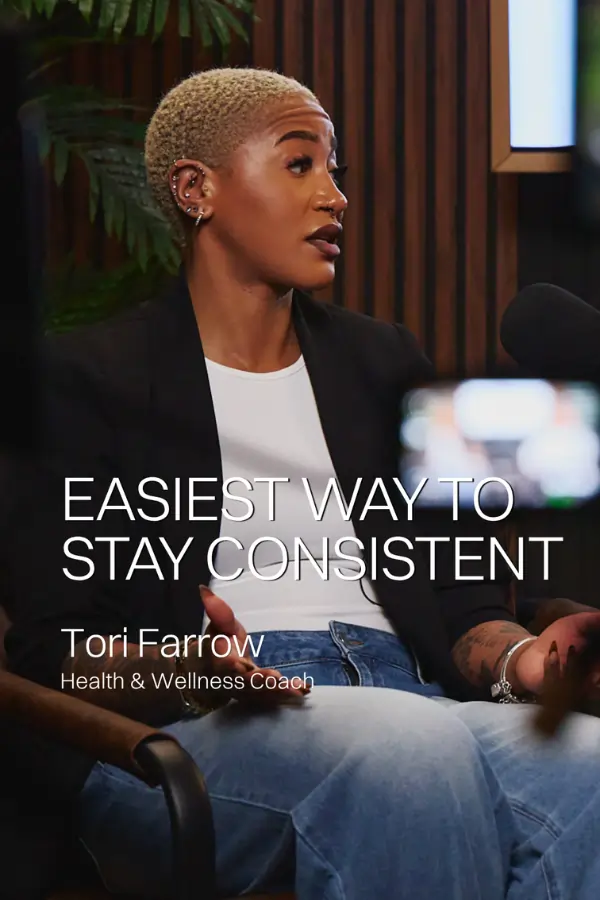
Tori also says that analysis paralysis plays a major role⁸. Many people feel flooded by advice, especially online⁸. They see endless opinions on internal health, workouts, nutrition, supplements, and routines. When too much information is coming at once, it becomes difficult to know where to begin⁸.
That is why she encourages people to simplify the process. Too much information can lead to inaction⁸. The better approach is to focus on one useful step at a time.
Walking Is One of the Most Accessible Ways to Start
When the conversation turns to movement, Tori comes back to one simple answer: walking.
She describes walking as one of the easiest and most effective starting points for people who want to become more consistent². It is accessible, free, and realistic for many people². It also helps get the body moving without requiring an intimidating level of fitness². For readers ready to put that into practice, a simple beginner walking workout plan is an easy way to build a consistent routine.
She even notes that some of her strongest client results have been supported by walking. That point matters because it reminds people that progress does not always begin with high-intensity exercise. Sometimes consistency matters more than complexity.
Walking also fits perfectly with the larger message of the episode. Longevity is not only built through dramatic changes. It is often built through simple actions that people can repeat over time.
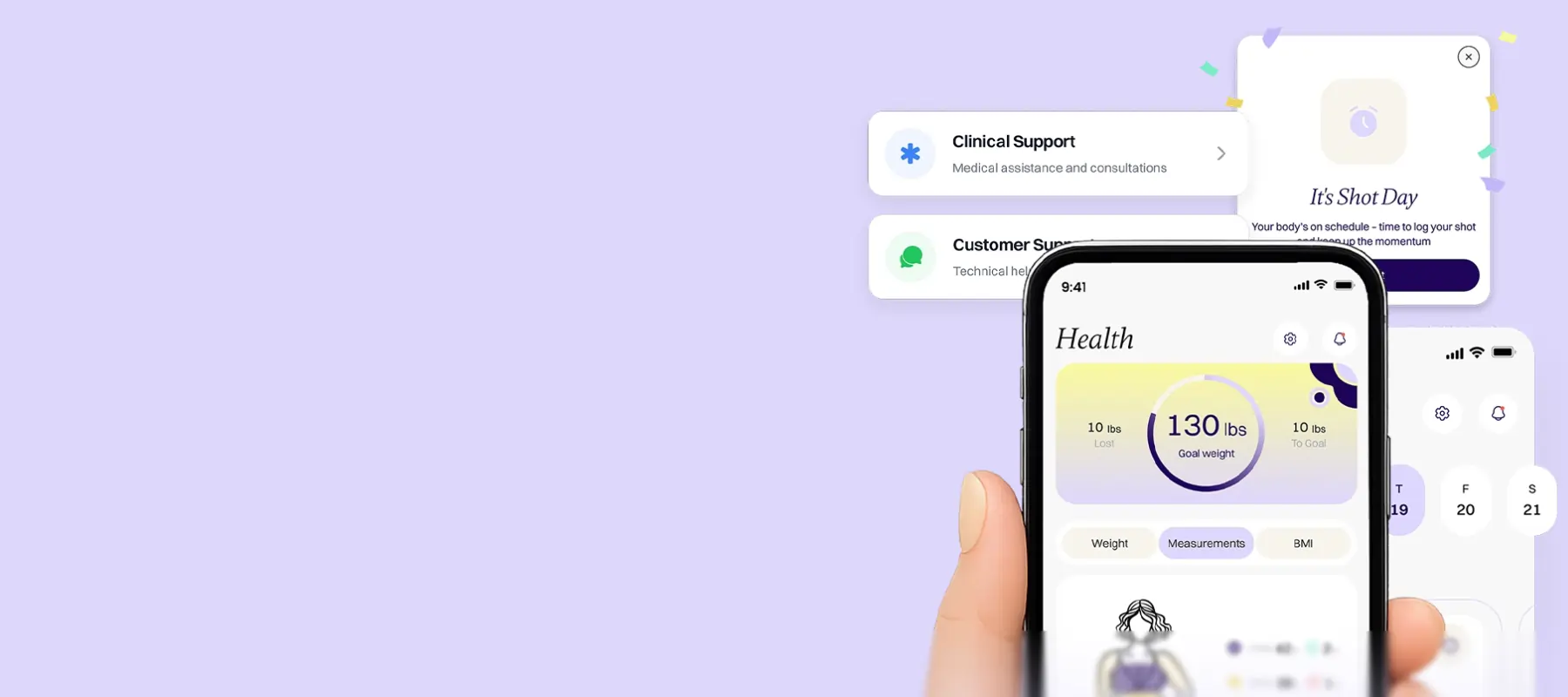
Built for Women.
Designed to Simplify
Confidence Is Built Through the Process, Not Before It
Another strong theme in the episode is confidence.
Many people assume they need to feel confident before they begin changing their habits. Tori pushes back on that. She explains that confidence is often something that develops through the journey, not something a person needs to have before day one.
One of her strongest lines is: “You don’t need to be confident to start. You need to be willing.”
That shift in mindset matters. Willingness is often much more realistic than confidence, especially for someone who feels discouraged or uncertain. By focusing on willingness, people give themselves permission to begin before they feel fully ready.
Tori also talks about self-accountability. When people say they do not have time, she encourages them to look honestly at how that time is being used. Her point is not to shame anyone. It is to remind people that health often reflects the choices they are consistently making.
That kind of honesty can be uncomfortable, but it can also be empowering.
Recovery, Nutrition, and Inflammation All Shape Progress
Tori also highlights a part of wellness that many people overlook: recovery.
She explains that it is easy for people to focus only on effort and output. They want to lift harder, move more, and do more. But if recovery is not part of the routine, progress becomes harder to sustain¹⁶. She mentions practices like sauna, yoga, cold plunges, and other forms of recovery that help support the body over time¹⁶.
The same goes for nutrition. She explains that food is not only about calories. It is also about what those foods are doing internally⁹,¹⁰. Are they supporting digestion? Are they increasing inflammation? Are they helping or hurting sleep and energy⁹,¹⁰,¹⁵?
That internal lens is especially important in her story because she has had to pay close attention to inflammation, digestion, and how her body responds to certain foods. She points to processed and inflammatory carbohydrates as a major issue she has seen in both her own experience and in clients⁹.
Rather than focusing only on restriction, she encourages better choices within food groups. The goal is not to fear food. The goal is to better understand it.
Practical Thoughts on Protein, Carbs, and Fiber
The episode also includes useful practical guidance around food choices.
When it comes to protein, Tori acknowledges that the common advice of one gram per pound of body weight is not always realistic, especially for women who are just getting started¹¹,¹². Instead, she recommends aiming for roughly 20 to 30 grams of protein per meal, while also using high-protein snacks where it makes sense¹¹. That approach feels more manageable and less overwhelming— and starting the day with one of these high-protein breakfast ideas is an easy way to hit that target before noon.
She also talks about choosing better sources of carbohydrates rather than trying to eliminate them altogether⁵. Her examples include options like steel-cut oats, fruit, and cleaner versions of foods people already enjoy⁵. Her point is that carbs can work for you or against you depending on the choices being made⁵,⁹.
On fiber, she mentions leafy greens as one of the most helpful whole-food sources¹³,¹⁴. They are versatile, easy to add into meals, and supportive of gut health¹³,¹⁴. While she acknowledges that fiber supplements can have a place, she suggests that the body may respond especially well to fiber that comes from foods closer to their original state¹³,¹⁴.
That whole-food mindset shows up throughout the conversation. Tori is not interested in making people eat like robots. She simply wants them to get closer to foods that support the body rather than work against it⁵,⁹.
How Gut Health Changed the Way She Thinks About Wellness
One of the most striking parts of the episode is when Tori talks about the gut microbiome and the gut-brain connection¹⁵.
She explains that one of the biggest things she learned through her own research was how much gut health can influence not just physical wellness, but mental well-being too¹⁵. That realization became even more personal after she lost half of her digestive tract and had to take even more responsibility for how she cared for her body.
Her perspective here is especially compelling because it comes from direct experience. She is not speaking about gut health as a trend. She is talking about it as something she had to understand in order to move forward.
For her, the gut became a major lesson in how interconnected the body really is. Internal health affects energy, mood, digestion, inflammation, and overall resilience¹,¹⁵. That deeper understanding changed how seriously she took the role of nutrition and daily care.
What Longevity Means to Tori Farrow
When Caulen asks Tori what longevity means to her, her answer captures the spirit of the whole episode.
She describes longevity as the overall picture. It is not just about one program, one phase, or one short-term transformation. It is about taking care of yourself in a way that supports the person you want to be later in life.
One of the strongest ideas she shares is that longevity means doing in your 20s what your 40-year-old self will need, and doing in your 30s what your 60-year-old self will need. That perspective encourages people to think further ahead. Instead of focusing only on short-term results, it invites them to think about the habits, nutrients, routines, and patterns that will serve them in the future.
It also reinforces another important idea from the episode: education matters. The more you understand what your body needs, the more intentional your choices can become⁶,⁷.
Her Message to Anyone Who Feels Hesitant to Begin
Toward the end of the conversation, Tori offers a message that feels both honest and encouraging.
She says that taking care of yourself is worth it. Not just for how you may look, but for what it allows you to do, feel, and sustain over time. She encourages people not to chase aesthetics first. Instead, she wants them to focus on doing what supports their health. The confidence, the visible changes, and the stronger sense of self can grow from there.
She also reminds listeners that they matter. It is easy for people to frame health only in terms of what they need to do for others. But Tori emphasizes that caring for yourself has to matter for your own sake too.
That message fits the episode perfectly. Longevity is not built on pressure or perfection. It is built on the daily decision to keep showing up for your health in a way that is honest, informed, and sustainable.
The Bigger Picture
Episode 1 of Project Longevity offers more than general wellness advice. Tori Farrow brings a perspective shaped by chronic illness, recovery, resilience, and years of learning how to better understand her own body. Her message is clear: long-term health is not about doing everything at once. It is about building habits that support you over time, staying willing to learn, and taking responsibility for the choices that shape your future⁷. In that sense, longevity is not one big breakthrough. It is the result of small decisions made consistently.
Explore more wellness and longevity content from Brello Rise.