TL;DR: Learning how to increase energy levels naturally starts by steadying a few daily habits: consistent sleep, regular hydration, balanced meals, gentle movement, morning daylight, and simple stress relief. None is a quick fix on its own, but repeated most days, these small routines add up to steadier, less tired days.
Some days you wake up already running on empty. Coffee helps for an hour, then the afternoon slump hits and you’re dragging again.
If that sounds familiar, the fix usually isn’t one big thing. How to increase energy levels naturally tends to come down to a handful of everyday habits — how you sleep, eat, move, and handle stress.
The good news is you don’t have to overhaul your life. Small, steady changes tend to do more than dramatic ones.
Start where you are, and build from there.
What drains your energy the most?

The most common energy drains are everyday habits, not mystery causes: short or restless sleep, not drinking enough water, meals heavy in sugar or skipped altogether, long stretches of sitting, and ongoing stress. Several of these often stack up at once, which is why some days leave you feeling wiped.
Often it’s a combination, not a single culprit. A late night plus a sugary breakfast plus a skipped lunch can add up fast. If the tiredness feels constant, it can help to look closer at why you’re always tired.
The upside: everyday drains usually respond to everyday changes. You don’t have to fix all of them at once.
How can you increase energy levels naturally?
You can support steadier, less tired days by tending to six everyday habits: consistent sleep, regular hydration, balanced meals, gentle movement, morning daylight, and simple stress relief. None of these is a quick fix on its own. Repeated most days, they add up to a routine that keeps you feeling more even.
Think of it as a short checklist you can return to:
- Keep a consistent sleep and wake time
- Sip water through the day
- Build balanced plates with protein, whole grains, and produce
- Move gently and often
- Catch some daylight early
- Take small breaks to reset
Pick one or two to start. Small wins tend to stick better than big overhauls.
Can better sleep support steadier days?
Sleep is the foundation. Many adults feel steadier with roughly seven to nine hours a night and a consistent schedule, even on weekends1. When sleep gets short or irregular, tiredness usually follows the next day.
Consistency often matters as much as the total hours. Going to bed and waking around the same time helps your body settle into a rhythm.
A simple wind-down routine
A calm hour before bed can make sleep come easier. Dim the lights, put screens down, and do something quiet like reading or a warm shower. Keeping the room cool and dark may help too. The goal is a gentle signal that the day is done.
What should you eat and drink for steady energy?
Balanced meals help you avoid the spikes and crashes that leave you dragging. Pairing complex carbohydrates with lean protein and some healthy fats can help meals feel steadier and more satisfying than sugary snacks or skipped meals5. Whole foods like whole grains, leafy greens, eggs, Greek yogurt, and nuts are easy building blocks — see more energy-boosting foods to keep on hand.
You don’t need a strict plan. A few steadier swaps most days can make a real difference in how you feel.
Beat the afternoon slump
That mid-afternoon dip is common, and a few small choices can soften it:
| Instead of | Try |
| A pastry or candy | A handful of nuts with fruit |
| Skipping lunch | A plate with protein + whole grains + veggies |
| A third coffee | Water first, then a short walk |
A snack that pairs protein with a complex carb tends to feel steadier than sugar alone5. Starting the day with high-protein breakfast ideas can help, too.
How much water do you really need?
Even mild dehydration can leave you feeling tired and foggy, and it’s easy to mistake thirst for low energy2. General guidance suggests many adults need somewhere around 11.5 to 15.5 cups of total daily fluids from drinks and food, though needs vary with activity, heat, and body size2. Keeping a water bottle nearby makes steady sipping easier.
Does gentle movement actually help when you’re tired?
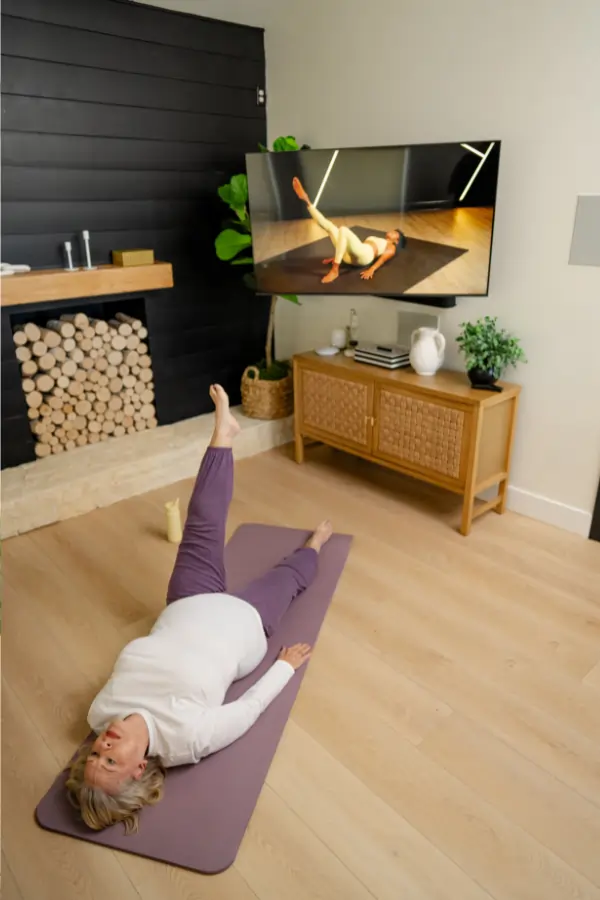
Yes, and gentle counts more than you might think. In one University of Georgia study, sedentary adults with ongoing fatigue who did low-intensity activity reported about 20% more energy and 65% less fatigue after six weeks, more relief than a harder workout provided3. When you feel drained, an easy walk may help more than pushing hard.
That reframes a common assumption. Rest has its place, but movement is often what actually lifts a tired, flat feeling.
Easy ways to add gentle movement:
- A 10-minute walk after meals
- Light stretching in the morning
- Taking the stairs or parking farther away
If you’d like a simple starting point, this beginner walking workout plan keeps things easy.
How does morning light shape your energy?
Morning daylight helps set your body’s internal clock, which supports more consistent sleep and steadier daytime alertness4. Getting outside for even 10 to 15 minutes soon after waking is an easy, low-effort habit. Pairing it with a short walk gives you light and movement at once.
If mornings are dark or rushed, a few minutes near a bright window can still help. Consistency matters more than perfection here.
How does stress affect your energy?
Ongoing stress is a quiet energy drain. When your mind races all day, it’s harder to focus, sleep well, and feel steady, and that mental load can leave you as tired as any physical effort. Short, simple resets through the day can help you hold on to more of your energy.
You don’t need a long routine. Even small pauses can ease the buildup that leaves you feeling flat.
Easy resets to try:
- A few slow breaths before switching tasks
- A short walk or stretch break
- A few quiet minutes away from screens
Managing stress won’t erase a busy schedule, but it can keep it from draining you as quickly.
How do you keep these habits going day to day?
Progress beats perfection. When life gets busy, anchor one or two keystone habits, like morning light and steady hydration, and let the rest flex. Missing a day doesn’t undo your progress. Returning to your routine the next day is what keeps it going.
Small, repeatable steps are what make a routine durable. A little structure helps too — here’s how to build healthy habits that stick.

Take The
First Step
with Brello
Final Thoughts
Feeling steady day to day isn’t about one big fix. It’s the quiet sum of small routines that keep you feeling like yourself.
This week, pick just one to start. Maybe it’s a few minutes of morning light, or keeping a water bottle within reach — one habit, repeated, is plenty.
Some days will go sideways, and that’s okay. Steady beats perfect, and small steps have a way of adding up.
Frequently asked questions
What’s the strongest or fastest energy booster?
There isn’t a single strongest or instant fix. Quick lifts like a glass of water, a short walk, or some daylight can help in the moment, but steadier days come from consistent sleep, balanced meals, and regular movement over time.
How can I feel less tired without caffeine?
Start with the basics that don’t rely on caffeine: consistent sleep, water through the day, balanced meals, a little morning light, and short movement breaks. Many people find these leave them feeling more even than another cup of coffee.
Are energy drinks or supplements a good way to feel more energized?
Energy drinks are often high in sugar and caffeine, which can lead to a crash later6. A food-first approach, with whole foods, water, and steady meals, is a gentler way to support how you feel day to day.
How can I support steadier energy as I get older?
The same habits still apply: regular sleep, hydration, balanced meals, and gentle, consistent movement. Keeping routines simple and repeatable tends to matter more than any single change.
When is tiredness worth paying closer attention to?
Everyday tiredness often eases with steadier habits. If deep fatigue lasts for weeks, comes on suddenly, or doesn’t improve with rest, it can be worth taking seriously rather than pushing through.