TL;DR: On a GLP-1, how much protein you should eat is often discussed as a range based on body weight, commonly around 1.2 to 1.6 grams per kilogram daily, though suggested amounts vary by person2,3. The harder part is usually getting it in when hunger is low, so small, steady protein touchpoints across the day can help.
You’re three bites into lunch and already full, but a little voice asks: am I getting enough protein on this?
It’s one of the most common questions people have. If you’re wondering how much protein should I eat on GLP-1, the honest answer is that a sensible range depends on your body — and it can feel confusing when you’re not very hungry. The number matters less than actually eating protein in steady amounts.
That’s where small steps help.
Spreading a few protein “touchpoints” across the day, like greek yogurt, eggs, or a shake, can feel a lot more doable than one big meal.
How much protein should you eat on a GLP-1?

Many people on GLP-1 medications consider a protein range based on body weight. It’s often discussed as roughly 1.2 to 1.6 grams of protein per kilogram of body weight per day2,3. Suggested amounts vary from person to person, so treat it as a starting point, not a fixed rule. The harder part is usually getting it in.
For a quick sense of scale, that range often works out to somewhere between 80 and 130 grams a day for many adults2,3. For someone around 70 kilograms (about 154 pounds), that’s roughly 84 to 112 grams of protein daily. Your own protein needs can land higher or lower.
What “grams per kilogram of body weight” means
It’s a simple way to scale protein to your size. You take your body weight in kilograms and multiply by a number in that range. A bigger body may aim higher; a smaller body may aim lower.
If math isn’t your thing, a simpler version helps too: aim for a high quality protein source at every meal and snack.
Why suggested amounts vary
There’s no single number everyone agrees on. Some sources describe targets per kilogram of body weight daily, while others use grams per pound, and the figures don’t always match2,3. Your activity, your goals, and your daily food intake all shift what makes sense for you. So a range is more useful than one rigid figure.
Why does protein matter when you’re eating less?
When you eat fewer calories, protein is often the first thing to slip. Getting adequate protein intake may help preserve lean muscle mass during weight loss, so more of what you lose can come from fat rather than muscle tissue3. It’s about supporting your body with proper nutrition, not chasing a perfect number.
Protein and muscle, in plain terms
Protein gives your body building blocks it uses for muscle repair and recovery2. When food intake is low for a while, the body has less to work with, and some muscle breakdown can happen. Eating protein is one steady way to support muscle preservation and limit muscle loss as your eating shifts.
This matters for long term success. Holding onto muscle can support a steadier health journey.
How do you get protein in when you’re barely hungry?

When you can only eat a little, small repeatable protein “touchpoints” across the day are often easier to manage than one large, protein-heavy meal. A few bites or sips every few hours can add up. For many people, the hardest part isn’t the number, it’s deciding what to eat when nothing sounds good.
This reframe shows up again and again in real GLP-1 communities online. People describe the struggle less as “I can’t hit my target” and more as “I forgot to eat, then nothing appealed to me.” Smaller, more frequent meals are also a common suggestion from reputable health sources like Harvard Health when hunger is low5,6.
One simple habit can help: eat your protein first. Starting a meal with the protein, before other foods, helps you get it in before you feel full.
What “protein touchpoints” means
A touchpoint is just a small, planned moment of protein. Instead of large meals, you spread protein into little wins: a yogurt here, a few bites of eggs there, a shake later. Each one is small enough to feel doable. Smaller portion sizes can feel far less overwhelming.
A simple sample day of protein touchpoints
This is one example of what spreading it out can look like, not a rule to follow:
- Morning: a drinkable yogurt or a protein shake
- Mid-morning: a hard-boiled egg or a spoonful of cottage cheese
- Midday: a small protein-first plate (a few bites of fish or tofu before anything else)
- Afternoon: a handful of edamame or a few bites of greek yogurt
- Evening: a small, protein-forward dinner you can actually finish
Beating decision fatigue: keep backup proteins close
The easiest protein is the one already within reach. Keeping a few no-prep options stocked means you don’t have to fight decision fatigue when you’re tired or queasy.
- Single-serve greek yogurt or cottage cheese
- Shelf-stable protein shakes or liquid protein
- Pre-cooked eggs or edamame
- A go-to smoothie you can blend fast
What are the easiest high-protein foods when hunger is low?
Easy, low-prep options make protein feel doable: greek yogurt, cottage cheese, eggs, lean meats or fish, tofu and beans, and protein shakes or smoothies. When solid food feels heavy, liquid or soft proteins are often easier to finish. Choosing foods with more protein per bite means small portions still count4.
| Food | About how much protein | Why it works when hunger is low |
| Greek yogurt (¾ cup) | ~15–17 g | Soft, no prep, easy to sip or spoon |
| Cottage cheese (½ cup) | ~12 g | Mild, soft, high protein per bite |
| Eggs (1 large) | ~6 g | Quick, gentle, easy to soft-scramble |
| Fish or chicken (3 oz) | ~21–26 g | High-quality protein in a small portion |
| Tofu or tempeh (3 oz) | ~8–15 g | Soft texture, plant-based |
| Protein shake (1 serving) | ~20–30 g | Drinkable when chewing feels like too much |
Easy high-protein swaps
Small swaps add protein without adding volume. Reach for greek yogurt instead of regular, ground poultry instead of heavier cuts, or a blended soup with added protein instead of broth alone. These give you more protein per bite, which helps when portions are small4. If mornings are your easiest window, a few high-protein breakfast ideas can give you an early protein win.
Round out your plate with nutrient-dense foods
Protein comes first, but other foods bring essential nutrients your body needs too. Add leafy greens, whole grains like oats, and a little olive oil to round out a nutrient-dense plate. These add fiber and the nutrients needed for proper nutrition, without much extra volume.
Do plant-based proteins count?
Yes. Plant-based proteins can absolutely work, even with low hunger. Lentils, black beans, chickpeas, tofu, tempeh, and edamame are nutrient-dense and gentle on the stomach4. Soft or blended versions, like a lentil soup or a tofu smoothie, are often easier to finish than a big bowl of beans.
Does movement change how much protein you need?
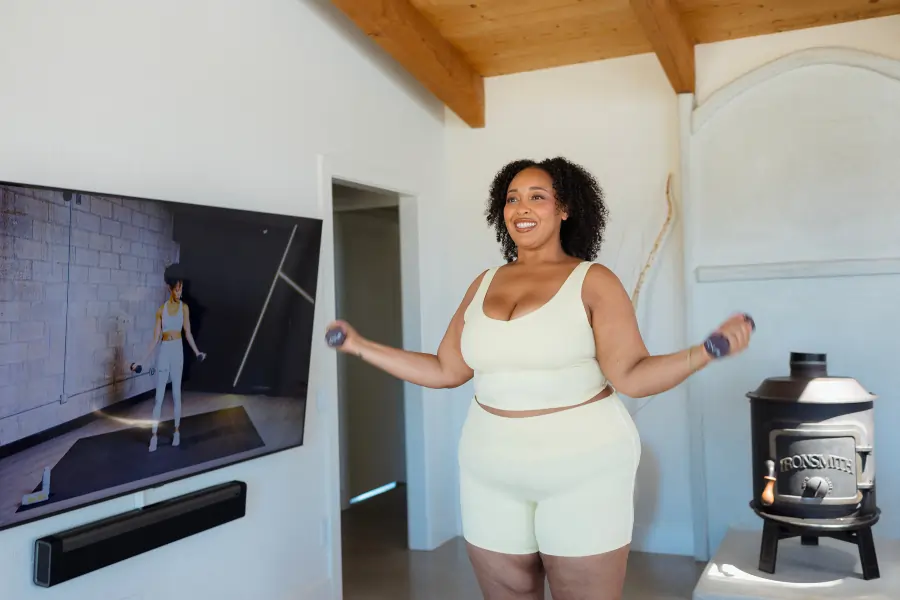
Protein and movement work as a pair. Evidence from nutrition and exercise research suggests protein may support muscle best when combined with regular resistance or strength training over time, not protein alone1. Eating protein within about 30 to 60 minutes after a strength session may also support muscle recovery. Together, protein and movement can help you build and preserve muscle over time.
Easy ways to start strength movement
Start small and keep it repeatable. Consistency tends to matter more than intensity. If you’re newer to it, a gentle strength training routine can be an approachable place to begin.
- Wall or counter push-ups
- Sit-to-stands from a sturdy chair
- A short set of bodyweight squats
- Light resistance bands while watching TV
Pairing a little movement with steady protein gives your body a reason to hold onto muscle, not just to lose weight.
A few practical tips to make protein easier
These practical tips can make a high protein diet feel more doable on GLP-1s, even on the days when eating feels like a chore.
- Keep high quality protein sources stocked and ready to grab.
- Eat protein first at meals, before other foods.
- Spread protein into small servings instead of large meals.
- Stay hydrated, aiming for around eight glasses of water a day, as part of proper nutrition.
- Add leafy greens and whole grains for fiber and essential nutrients.
Small, steady habits like these tend to add up to more than any single perfect day.

Take The
First Step
with Brello
Final Thoughts
How much protein you eat on a GLP-1 comes down to a range that fits your body, not a single perfect number. When hunger is low, the win is simply eating protein in steady amounts, with foods that feel doable. Pairing adequate protein with a bit of strength movement can help preserve muscle as your eating shifts. Some days will go smoother than others, and that’s okay. Aim for small, repeatable wins, and let steady progress matter more than perfection. Brello shares education like this to support your everyday routines.
Frequently asked questions
What if I can’t hit my protein goal some days?
A partial day still counts. Steady progress matters more than a perfect number, and one lower day won’t undo your routine. The community phrase that fits here is “make it easier, not perfect.” Aim for a little more protein than yesterday, and let that be enough.
Are protein shakes okay to rely on?
Protein shakes can be a helpful bridge when chewing or fullness gets in the way. Food-first is a nice default when you can manage it, but a shake that you actually finish beats a meal you can’t. Many people use shakes and smoothies as a dependable backup, not a failure.
Should I spread protein across small, frequent meals?
For many people, yes. Spreading protein into smaller, more frequent meals is often easier to tolerate than one large, protein-heavy plate when hunger is low. It also keeps protein coming in steadily through the day, which can feel far more manageable.