TL;DR Protein shakes for GLP-1 users can be a convenient way to help meet your protein needs — but they’re one optional tool, not a requirement, and whole food comes first. When choosing one, about 20–30 grams of protein per serving with lower added sugar is a reasonable target.
If you’re taking a GLP-1, protein shakes for GLP-1 routines can feel like one more thing to figure out. Getting enough protein can be a challenge, and the internet is happy to sell you “the right one.”
Here’s the calmer truth: a shake is one optional tool, not a rule.
Whole food comes first when you can manage it, and a shake can quietly fill a gap. Once you know what to look for on a label, you can choose any of them with confidence.
Can you drink protein shakes while on a GLP-1?
Yes, for many people a protein shake can fit comfortably into a GLP-1 routine. It’s one convenient way to help meet protein needs. It isn’t a requirement. Whole food comes first when you can manage it, and a shake can help fill a gap.
Think of a shake as a backup you can reach for, not a daily must. Some people use one on a busy morning. Others rarely need one at all.
Tolerance is personal, so it helps to start small and notice what feels right for you.
What is a protein shake, exactly?
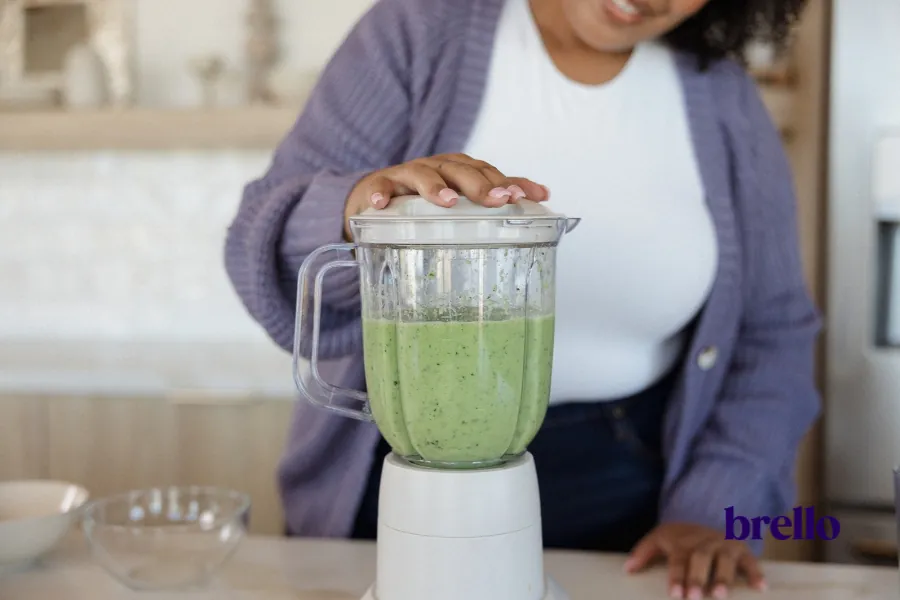
A protein shake is a drink with a concentrated amount of protein, usually from whey (a dairy protein) or a plant source like pea or soy. Some come ready-to-drink; others are a protein powder you mix with water or milk. Most provide about 20–30 grams of protein per serving and can work as a snack or a partial meal.
Protein shake vs. meal-replacement shake
A plain protein shake mainly delivers protein. A meal-replacement shake adds calories, vitamins, minerals, and often fiber, so it’s built to stand in for a full meal. If you’re just topping up protein, a simple shake can be enough. If a shake is replacing a meal, a more complete option may suit you better.
Powder vs. ready-to-drink (and slow-digesting casein)
Powders let you control the amount and mix them into other foods. Ready-to-drink options are grab-and-go for busy days. You may also see casein, a dairy protein that digests slowly and releases amino acids over a longer stretch4 — some people like it later in the day.
Why getting enough protein is worth planning
Protein is one of the nutrients the body uses to help maintain muscle, so getting enough matters. A little planning makes protein easier to reach, so you don’t fall short without noticing.
You don’t need to force big meals. Small, protein-friendly choices spread through the day tend to feel more doable.
“Protein fatigue” and repeating the same foods
Some people get tired of the same few high-protein foods, a feeling often called “protein fatigue.” Rotating options — eggs one day, yogurt the next, a shake when nothing sounds good — can keep things easier. Variety helps protein feel less like a chore.
Getting enough without forcing big meals
Smaller, more frequent bites often work better than three large plates. A few practical ideas:
- Start meals with the protein food first.
- Keep easy options on hand (yogurt, cheese, a ready-to-drink shake).
- Add a scoop of protein powder to foods you already enjoy.
How much protein should protein shakes for GLP-1 have?
About 20–30 grams of protein per shake is a good amount for a snack or light meal support. It can also help to spread protein across the day rather than loading it all at once. How much you personally need depends on your body, activity, and eating pattern, so treat these as reference points.
Per serving vs. across the whole day
One shake is a piece of the day, not the whole picture. Thinking about protein across all your meals and snacks — not just one drink — can help. A shake is one helpful contribution, not a fixed rule.
What to look for in a protein shake

The most useful skill is reading the label, so you can compare any option yourself. When choosing a protein shake on a GLP-1, check the serving size, protein per serving (often about 20–30 grams), added sugar, total calories, and the ingredient list. There’s no single “best” product — lighter, lower-sugar options with recognizable ingredients tend to feel easiest for many people.
A quick label checklist:
- Serving size: Note how many servings are in the container — some bottles count as two1.
- Protein per serving: Around 20–30 grams is a common target for a snack or light meal.
- Added sugar: Lower is generally better; single-digit grams is a reasonable thing to look for2.
- Calories: Match them to whether you want a snack or a meal stand-in.
- Ingredients: Recognizable ingredients near the top; notice thickeners and sweeteners if your stomach is sensitive.
Protein per serving
Look for the grams of protein first, then check the calories that come with them. A shake offering solid protein for a modest calorie count is often a practical pick.
Added sugar (and sweeteners or sugar alcohols)
Lower added sugar is usually the simpler choice. Some shakes labeled “no added sugar” lean heavily on artificial sweeteners or sugar alcohols, which can feel unsettling on a sensitive stomach. If that’s you, it’s worth scanning the ingredient list, not just the sugar number.
Calories and serving size
Calories tell you whether a shake is a light snack or closer to a meal. Neither is wrong — it depends on what you need that day. Just make sure the numbers on the label match the whole amount you actually drink1.
The ingredient list (and thickeners or gums to notice)
The ingredient list tells you about quality; the nutrition panel tells you about quantity. Thickeners and gums like xanthan gum help texture but bother some sensitive stomachs. Shorter, more familiar ingredient lists are often easier to tolerate.
Whey vs. plant-based protein: which is better?
Neither whey nor plant-based protein is “better” for everyone — the right pick depends on your tolerance and preferences. Whey is a complete protein that mixes thin and light, and whey isolate is lower in lactose3. Plant proteins like pea or soy suit people avoiding dairy, and often come as blends to round out their amino acids.
If dairy bothers you or you eat plant-based
Plant-based shakes (pea, soy, or blends) are an easy swap if dairy doesn’t sit well or you avoid it by choice. Whey isolate and clear whey are also lower in lactose, which some people find gentler. Both paths can work — it comes down to what your stomach and your preferences agree on.
Texture (thin and clear vs. thick and creamy)
Texture matters more than people expect. Thick, creamy shakes can feel heavy to some people. Clear or lighter, more juice-like options feel easier for some. If a shake feels like too much, a thinner option may go down more comfortably.
Protein shake or whole food: when does each make sense?

Whole food is usually the better default, because it brings protein plus fiber, healthy fats, and other nutrients. A protein shake can be the more practical choice when you’re short on time or after activity. Shakes work best as a backup, not a daily replacement for meals.
When a shake can help
A shake can be genuinely useful when solid food isn’t convenient. Handy moments include:
- Busy mornings or travel with no time to prepare.
- After movement, when something quick is easier than cooking.
- Any time a balanced meal isn’t within reach.
When whole food is the better choice
Whole food tends to win when you can eat comfortably and want to stay full longer. Foods like Greek yogurt, cottage cheese, eggs, beans, and tofu bring protein along with fiber and other nutrients that shakes often lack. Building high-protein meals around these keeps variety high and shakes as an occasional helper.
Simple ways to make a shake easier to enjoy
If shakes feel heavy or too sweet, small changes help. Some people sip slowly over 15–30 minutes, choose lighter or clear options, or blend a shake into a smoothie with fruit and a spoon of yogurt to add fiber. Serving it cold can help too. Results vary, so it’s fine to experiment until something feels right.
Easy swaps and add-ins (whole-food boosts)
A plain shake can become more satisfying with a few whole-food add-ins:
- Blend with frozen fruit for fiber and a thicker feel.
- Stir in a spoon of Greek yogurt or nut butter.
- Add a handful of oats or a few seeds for staying power.
Common mistakes to avoid with protein shakes
A few simple missteps can make shakes less helpful than they could be. Leaning on shakes for every meal can crowd out fiber and variety, very sweet shakes can add more sugar than expected, and drinking a thick shake quickly may feel uncomfortable. Using shakes as an occasional tool alongside whole foods tends to work better over time.
Keep it simple: food first, shakes as a helper, and lower-sugar options when you can.

Take The
First Step
with Brello
Final Thoughts
Eating well is less about finding the perfect product and more about knowing what your body needs — and giving it that in a way you can actually keep up with.
This week, try reading the label on one shake or snack you already have. Check the protein and the added sugar, and notice how it sits with you.
Whether you lean on whole foods, reach for a shake now and then, or do a little of both, either path can work when it fits your real life.
Frequently Asked Questions
Can you drink protein shakes while on a GLP-1?
For many people, yes. A protein shake can be a convenient way to help meet protein needs. It’s one optional tool, not a requirement, and whole food comes first when you can manage it. Start small and see how it feels for you.
How much protein should a protein shake have?
About 20–30 grams of protein per serving is a good amount for a snack or light meal support. It also helps to think about protein across the whole day, not just one drink. Your needs depend on your body and routine.
Are protein shakes better than whole food?
Not usually. Whole food generally offers more — protein plus fiber, healthy fats, and other nutrients. A shake can be the more practical option when you’re short on time or after activity. Think food-first, with shakes as a backup.
How much added sugar is too much in a protein shake?
Lower is generally better, and single-digit grams of added sugar per serving is a reasonable thing to look for2. Some low-sugar shakes rely on sweeteners or sugar alcohols that can feel unsettling on a sensitive stomach, so it helps to scan the ingredient list too.
Are protein shakes required on a GLP-1?
No. Protein shakes are one optional way to help with protein, not a requirement. Many people meet their needs with whole foods. Do what fits your preferences.
Whey or plant-based protein — which should I choose?
Both can work; it depends on your tolerance and preferences. Whey is a complete protein and mixes light, and whey isolate is lower in lactose3. Plant options like pea or soy suit people avoiding dairy, and often come as blends.