TL;DR To have a healthy relationship with food, aim for calm, flexible eating with less guilt, not perfect eating. A gentle order can help: eat steady, regular meals first, then loosen one food rule at a time, and trade guilt for curiosity. Research links rigid food rules with more binge eating, and flexible eating with less.
You finish a slice of birthday cake at the office, and before the plate hits the trash, the math starts. Should I skip dinner? Walk it off later?
If that voice sounds familiar, you’re not alone. Learning how to have a healthy relationship with food isn’t about eating perfectly. It’s about eating with more calm, more flexibility, and a lot less guilt.
No total overhaul required.
A few small steps, taken in a gentle order, may help food feel like a normal part of life again.
What does a healthy relationship with food look like?

A healthy relationship with food means you can eat with more calm and flexibility and less guilt. You notice hunger and fullness, enjoy food without “earning” it, and roll with real-life changes like a late lunch or a birthday cake. It isn’t perfect eating. It’s a steadier, kinder way of eating most days.
That can be hard to picture after years of diet culture. That’s the constant messaging that some foods are “good,” others are “bad,” and eating less is always the goal. Here’s what a healthier pattern can look like in an ordinary week:
- You eat when you’re hungry and stop when you’re comfortably full, most of the time.
- No food is “good” or “bad.” Some foods offer more nutrients, and some are mostly for fun. Both have a place.
- A big dinner doesn’t lead to a skipped breakfast.
- You can eat at a party or a friend’s house without planning your whole day around it.
- Food is an important part of life, but not the center of it.
It won’t look perfect, and that’s okay. Some days may include eating past full or grabbing whatever is closest. That’s normal eating, not failure.
What are signs your relationship with food may need some care?
Common signs include feeling guilty after eating, following a long list of food rules, and skipping meals to “make up” for food. Another is thinking about food so often it crowds out other things. Most people notice a few of these sometimes. The question is how often they show up and how much they weigh on you.
| Moment | Feels steadier | May need some care |
|---|---|---|
| After eating | You move on with your day | You feel guilty or plan to skip a meal to “make up” for it |
| Food rules | You have preferences, and they bend | You follow strict rules and feel anxious when one breaks |
| Eating with others | You enjoy the meal and the company | You avoid events or stress about what’s being served |
| Food thoughts | Food crosses your mind around meals | Food thoughts crowd out work, rest, or time with people |
| After a “too much” day | You eat normally the next day | You cut back hard, and the cycle repeats |
This isn’t a pass-or-fail test. Most people land in both columns now and then. The National Institute of Mental Health notes that many people worry about their health, weight, or appearance on occasion1. Some, though, become fixated on controlling what they eat1. That difference between occasional and constant is worth noticing.
Why do strict food rules often backfire?
Strict food rules can make eating feel harder, not simpler. Research links rigid dieting rules with more frequent binge eating, while a more flexible approach, with no forbidden foods, is linked with less2,3. Cutting out a specific food can also make you crave it more4. That’s why “flexible structure” is often more livable than all-or-nothing rules.
It often plays out as a loop:
- A rule goes up: no sweets, no bread after 6, no seconds.
- The off-limits food starts to feel more tempting.
- A stressful day or a party breaks the rule, and eating feels out of control.
- Guilt kicks in, followed by a stricter rule to “fix” it.
Researchers call the strict version rigid restraint: lots of food rules and very little wiggle room3. The flexible version, where no food is forbidden, has been linked with fewer and less severe binge episodes in large studies2. These studies show a pattern, not a promise.
Flexible structure sits in the middle. It keeps some rhythm, like regular meals and a loose plan for the week. It simply drops the idea that any food is off-limits.

Why does guilt make eating harder?
Guilt can feel like it keeps you on track, but research doesn’t back that up. In one study, people who linked chocolate cake with guilt felt less in control of their eating5. They weren’t more motivated to eat well, either5. Curiosity and kindness tend to leave more room for steady choices.
Guilt can also set up the next strict rule, which restarts the loop. Asking a curious question instead, like What was going on for me today?, gives you useful information rather than a verdict.
Where should you start? A step-by-step plan
Start with steady, regular meals. When your body gets fuel on a fairly predictable rhythm, hunger and fullness become clearer. From there, loosen one food rule at a time and practice swapping guilt for curiosity. Small, ordered steps can feel more doable than changing everything at once.
- Eat steady, regular meals (start here). Aim for meals and snacks at fairly predictable times, so you’re not running on empty by evening. Intuitive eating teaches that going too long without food can make hunger feel urgent and fullness harder to notice6.
- Pick one food rule to loosen. Choose the rule that causes the most stress, like “no carbs at dinner.” Bend it on purpose a few times, then notice what happens. If loosening a rule feels overwhelming, it’s okay to go slower or reach out for support.
- Swap guilt for curiosity. When a harsh thought shows up, try a more neutral one. (It’s the same skill that can help with negative self-talk in general.)
| Instead of… | Try… |
|---|---|
| “I was so bad today.” | “I ate more than I planned. I wonder what I needed.” |
| “I’m cutting back tomorrow to make up for it.” | “My next meal can be a normal meal.” |
| “I can’t keep that food in the house.” | “I can have it when I want it, so it can wait.” |
| “I have no willpower.” | “I was tired and stressed. That makes sense.” |
- Try one slower meal a day. Mindful eating means paying attention while you eat, without judgment7. Put the phone down for one meal, notice flavors and textures, and check in with your fullness halfway through. Research suggests mindfulness practice may help reduce binge eating and emotional eating for people who struggle with them8.
- Add, don’t only subtract. Instead of cutting foods, look for something to add. That might be a vegetable, some protein or fiber, or simply a food you enjoy.
- Expect some wobbles. Old habits can pop up during stress, travel, or a busy season. A wobble is part of the process, not proof you’ve failed.
What if you feel out of control at first?
Feeling a little out of control when you first stop restricting a food is common. A food you’ve avoided can feel extra exciting at first. With regular, relaxed exposure, the pull may fade. Keeping meals steady and the food available, without guilt, may help it feel ordinary again.
Researchers call this habituation: the more often you’re around a food, the less novel it tends to feel9. It may help to eat the food with regular meals, at the table. That can feel very different from eating it in secret or as a “last chance.”
How can you handle emotional or stress eating?
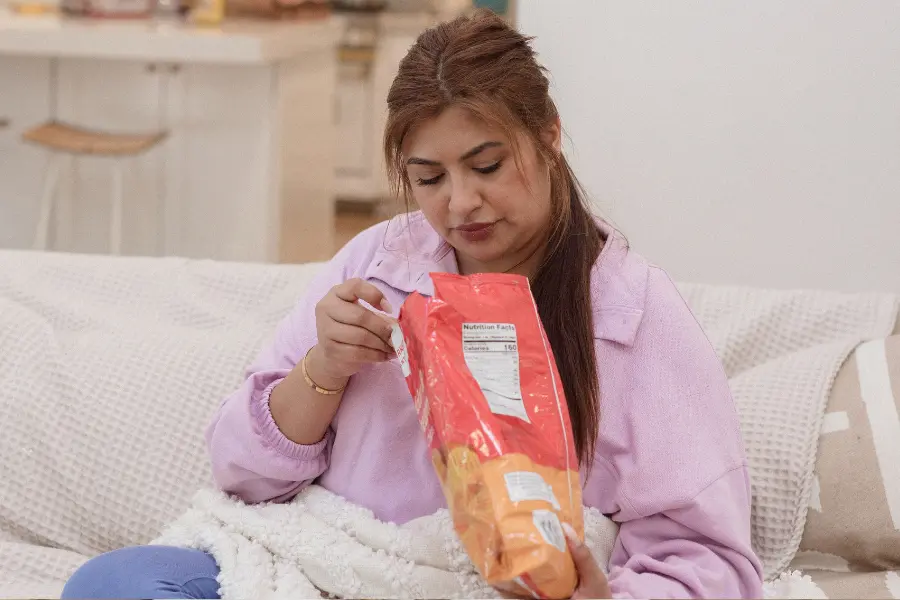
Eating for comfort sometimes is a normal part of being human. It becomes harder when food is your only way to cope with stress, boredom, or exhaustion. Try pausing to ask what you need right now. Sometimes it’s food, and sometimes it’s rest, a break, a conversation, or sleep.
Stress and eating are closely linked. Researchers note that eating in response to emotions, rather than physical hunger, has become more common with modern stress10. Sleep plays a role too. In controlled studies, people who slept less than usual tended to eat more afterward11.
When you feel the pull toward food, a short check-in can help:
- Am I physically hungry? If so, eat, and let that be enough.
- Am I tired? Rest or an earlier bedtime may help more than a snack.
- Am I stressed or lonely? A few slow breaths, a few minutes outside, or a text to a friend may meet the need.
- Do I just want something comforting? That’s allowed too. Enjoy it without the guilt.
Comfort food isn’t a problem to fix. The goal is having more than one way to cope. For more ideas, see how to stop emotional eating in a way that feels kind, not strict.
What if it feels like more than a rough patch?
If food thoughts take up most of your day, you deserve extra support. The same goes if eating often feels out of control or you’re restricting in ways that feel hard to stop. These can be signs of something more than everyday food stress. Reaching out early is a strong, caring step for yourself.
Eating disorders are serious, and getting support early matters1. The National Alliance for Eating Disorders offers a free helpline at 1-866-662-123512. If you’re in crisis, you can call or text 988 to reach the 988 Suicide & Crisis Lifeline1.
How can you stop thinking about food all the time?
Constant food thoughts can grow louder when you’re restricting certain foods or feeling stressed4,10. Eating regular, satisfying meals and letting go of strict rules may help those thoughts feel quieter. It can also help to fill your day with things that have nothing to do with food or your body.
A few places to start:
- Eat enough, often enough. Intuitive eating teaches that letting hunger build for hours can pull your attention toward food6.
- Make meals satisfying. Include foods with protein, fiber, and some fat, plus flavors you actually like.
- Curate your feed. Consider muting accounts that leave you comparing bodies or plates.
- Plan something absorbing. A hobby, a class, or time with friends gives your mind somewhere else to go.

Can you care about nutrition and still have a healthy relationship with food?
Yes. A healthy relationship with food doesn’t mean ignoring nutrition. It means approaching it with curiosity instead of rules. One gentle way is “nutrition by addition”: adding vegetables, fiber, or protein to meals you already enjoy rather than cutting foods out. Nutrition becomes something you add to your life, not a test you pass or fail.
A few examples of nutrition by addition:
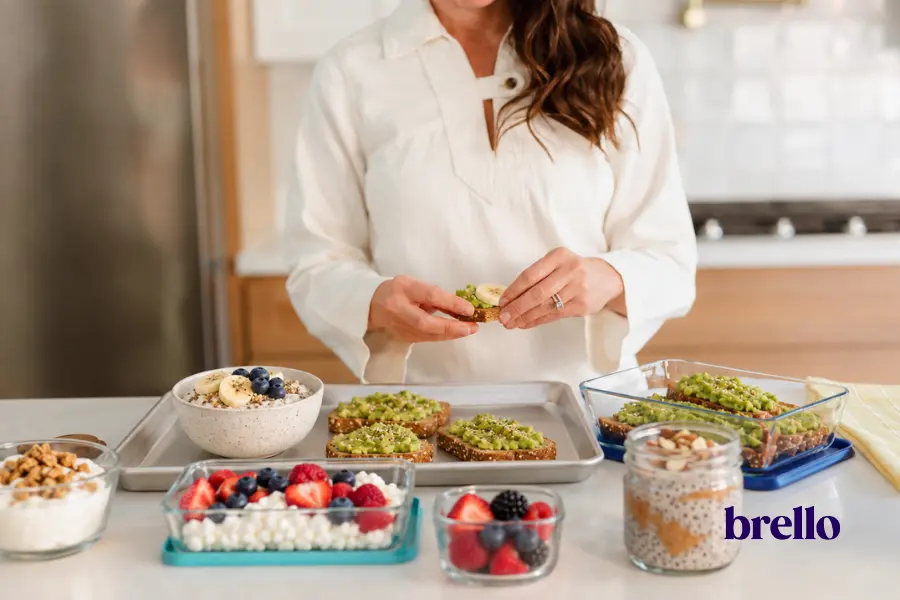
- Add berries or nuts to your usual cereal or yogurt.
- Stir beans or extra vegetables into pasta or soup.
- Pair pizza night with a side salad you like.
This fits well with intuitive eating, a non-diet approach built around hunger, fullness, satisfaction, and gentle nutrition6. A large research review linked intuitive eating with better body image, self-esteem, and well-being13. If you’re curious, the 10 intuitive eating principles are a helpful next read.
Why can your relationship with food shift at different life stages?
Your relationship with food can change with your life. Years of dieting, feeding a family, and the body changes of perimenopause and menopause may all bring old food worries back up. Research suggests the menopausal transition may be a more vulnerable time for disordered eating patterns14. Noticing this is information, not failure.
A few moments when food worries often resurface:
- After years of dieting. Old rules may feel automatic, even after you’ve decided to let them go.
- While feeding a family. Planning and cooking for others adds to your mental load and can leave little room to notice your own hunger.
- During perimenopause and menopause. A 2024 research review found possible links between this transition and patterns like binge eating or restrictive eating, though more research is needed14.
Your needs can change over time, and your approach can change with them.

Take The
First Step
with Brello
Final Thoughts
A healthier relationship with food is less about finding the right rules and more about trusting yourself a little more each day.
This week, consider one small experiment: eat steady meals at fairly regular times, and notice how your afternoons and evenings feel. Nothing else needs changing yet. Just notice, without grading yourself.
Some days food may feel simple, and some days it may not. Both are part of learning, and every calmer meal counts as steady progress.
Frequently asked questions
How long does it take to build a healthy relationship with food?
There’s no set timeline. It depends on your history with dieting, your stress levels, and what else is going on in your life. Small shifts, like less guilt after a meal, may show up before bigger ones. Progress often looks more like a wavy line than a straight one.
Should I give up all food rules?
Not necessarily. The idea is to trade rigid rules for flexible structure. Regular meals, a loose weekly plan, and food preferences can all stay. Dropping the idea that any food is forbidden is linked with less binge eating2. It also gives you room to bend when life happens.
Is intuitive eating the same as mindful eating?
They overlap, but they aren’t the same. Mindful eating is a practice of paying attention while you eat, without judgment7. Intuitive eating is a broader non-diet framework with 10 principles, including honoring hunger and making peace with food6,15. Mindful eating can be one part of it.
Can I want to change my body and still work on my relationship with food?
Yes. Many people hold both feelings at once. It may help to notice when a body goal starts driving strict rules, skipped meals, or guilt. Focusing on habits you can shape, like regular meals, sleep, and stress care, may feel steadier than chasing a number.
Is it normal to overeat sometimes?
Yes. Eating past comfortable fullness now and then is a normal part of eating, especially at holidays, celebrations, or after a long day. There’s no reason to “fix” it by skipping the next meal. Returning to your usual rhythm can be enough.