TL;DR: Choosing a GLP-1 program means deciding which company to trust, not just which medication to consider. Three red flags make that easier: a price that looks too good to be true, a weak or gamed review reputation, and “research only” programs with no ongoing professional support. Weigh all three before you commit.
If you’ve been searching how to choose a GLP-1 program, you’ve probably scrolled past dozens of ads promising the lowest price and the quickest sign-up. It’s a lot to sort through, and it’s hard to know who to trust.
Here’s the reassuring part: you don’t have to compare every option. A few clear warning signs can tell you a lot about a program before you ever spend a dollar.
Below, we walk through three red flags to watch for — so you can weigh your choices calmly, and with confidence.
What does it really mean to choose a GLP-1 program?
Choosing a GLP-1 program is less about picking a medication and more about deciding which company you can trust. A good program is upfront about costs, has a believable reputation, and offers ongoing support. Three warning signs can help you compare your options with confidence.
Most guides focus on which medication fits or whether you qualify. That’s part of the picture. But the company you sign up with shapes your whole experience — what you pay, how you’re treated, and whether someone knowledgeable is in your corner.
It can help to think of it as choosing a partner, not just a product. A program is really four things bundled together:
- The company standing behind it
- What it charges, and what that price includes
- The support you get along the way
- Its track record with real people
Keep those four in mind, and the rest of your decision gets simpler.
Red Flag 1 — Why is a price that looks too good to be true a warning sign?
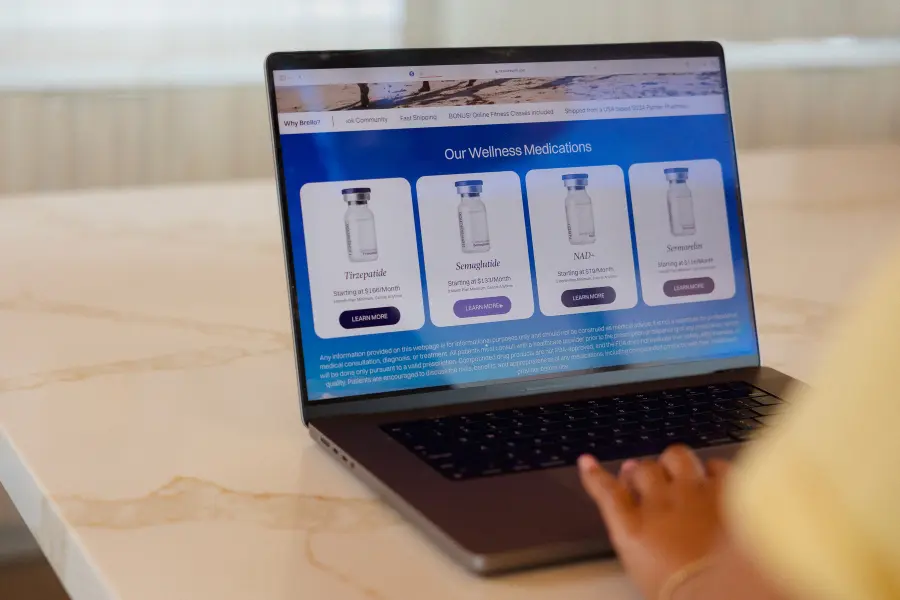
A very low first-month price can be a red flag when it hides the real cost of a GLP-1 program. A headline “first month” number can leave out the medication itself, lab work, consultations, or ongoing support — and it may come with long commitments or early-cancellation fees. Look at the total cost over several months, not the headline number.
A splashy “first-month” number rarely shows the full picture — so a price that seems surprisingly low is a signal to slow down and read the fine print.
What should a GLP-1 program’s price actually include?
A clear program spells out the full picture before you commit. When you compare the real, all-in cost, look for whether the price covers each of these — or quietly leaves them out:
- The medication itself, not just the “membership”
- Any lab work or check-ins
- Ongoing support and follow-ups
- What is billed monthly versus one time
- The renewal price after any intro period ends
Smart questions to ask about cost and cancellation
A few plain questions can surface the real cost fast. Consider asking:
- What is the total cost for the first three to six months?
- What is included in that price, and what costs extra?
- Does the price change after the first month?
- Is there a minimum commitment or an early-cancellation fee?
- How, exactly, do I cancel — and how long does it take?
Red Flag 2 — How do you check a GLP-1 program’s reputation?

Reputation is one of the clearest signals when you choose a GLP-1 program. Independent review scores can point to real problems with billing, shipping, or customer service. But reviews can also be gamed, so read the patterns in recent, detailed reviews — not just the star rating — and watch for suspiciously uniform praise.
A low score on an independent review platform often reflects real friction. Late shipments, surprise charges, or slow support tend to show up there first.
Can online reviews be faked?
Yes — which is why how you read reviews matters as much as the score. Instead of trusting a single number, look for signals that are harder to fake:
- Recency: Are there detailed reviews from the last few months?
- Specifics: Do reviewers mention real details, or just vague praise?
- Patterns: Do the same complaints repeat across many reviews?
- Source: Are the reviews on an independent platform, not just the company’s own site?
Red Flag 3 — What does “research only” mean, and why is it a red flag?

“Research only” means a product is not intended for people to use, and buying one usually means no ongoing professional support behind your choices. Choosing a GLP-1 program that offers steady, knowledgeable support is a core green flag — and a calmer way to move through your journey.
Some sellers label products “for research use only” or “not for human consumption.” Regulators, including the U.S. Food and Drug Administration and the FBI’s Internet Crime Complaint Center, have warned about products marketed this way.¹ They are not made for people, and there is no support system around them. That combination is exactly what you want to avoid.
Our CEO put it plainly:
“Research only basically means it’s not for human consumption, and you don’t get the clinical guidance. When you’re moving through this journey in your life, you want to make sure you have the clinical guidance from a healthcare professional.” — Caulen Foster, CEO, Brello
Why ongoing support matters when you choose a program
Ongoing support is the difference between guessing alone and having someone knowledgeable in your corner. A program built around steady check-ins can help you stay consistent and feel more confident in your choices. When a program offers no support at all, that gap is a red flag worth taking seriously.
What are the green flags of a trustworthy GLP-1 program?
Green flags are simply the opposite of the three red flags: clear, all-in pricing; a consistent, believable track record of reviews; and ongoing support from professionals. A simple checklist lets you compare programs side by side, so you can choose a GLP-1 program that fits your goals.
| Red flag to avoid | Green flag to look for |
| A very low headline price that hides real costs | Clear, all-in pricing with cancellation terms spelled out |
| Vague or suspiciously perfect reviews | Consistent, specific, recent reviews on independent platforms |
| “Research only” or no support at all | Ongoing support from professionals |
| Long lock-ins and hard-to-find cancellation | Simple, upfront commitment and cancellation terms |
Before you sign up, it can help to ask yourself:
- Do I understand the full cost for the next few months?
- Have I read recent, specific reviews on an independent site?
- Will I have ongoing support if I have questions?
- Do I know exactly how to cancel if I change my mind?
Start with those four, and you’re already choosing more carefully than most.

Take The
First Step
with Brello
Final Thoughts
Choosing a GLP-1 program doesn’t have to feel overwhelming. When you look past the flashy first-month price and focus on the company behind it, the decision gets a lot clearer.
Keep the three red flags close: a price that seems too good to be true, reviews that feel vague or too perfect, and “research only” options with no real support. If a program is upfront about costs, has a believable track record, and offers steady, knowledgeable support, those are the green flags worth moving toward.
Take it one small step at a time. A little patience up front can save you a lot of second-guessing later.
Frequently asked questions
How do you choose a good GLP-1 program?
Focus on the company, not just the medication. Compare the full, all-in price, read recent and specific reviews on independent platforms, and confirm you’ll have ongoing support. The three red flags — a too-low price, weak or faked reviews, and “research only” products — make risky programs easier to spot.
Is a very low-priced GLP-1 program a red flag?
It can be. A price far below what a program costs to run may hide add-on charges, long commitments, or steep renewal jumps. Compare the total cost over several months, not the first-month number.
Which GLP-1 program is best?
There isn’t a single “best” program for everyone. The better question is how to judge one: clear pricing, a believable reputation, and ongoing support. Use those three green flags to compare your options and pick the program that fits your goals.
Can online reviews be trusted?
They can help, but read them carefully. Reviews can be faked or filtered, so look for recent, specific reviews on independent platforms rather than a single star rating. Repeated complaints — or suspiciously uniform praise — both tell you something.
What do people wish they knew before choosing a program?
Many say they wish they’d looked past the headline price and checked what was actually included, read reviews more closely, and confirmed they’d have support along the way. Slowing down on those three points early tends to prevent surprises later.